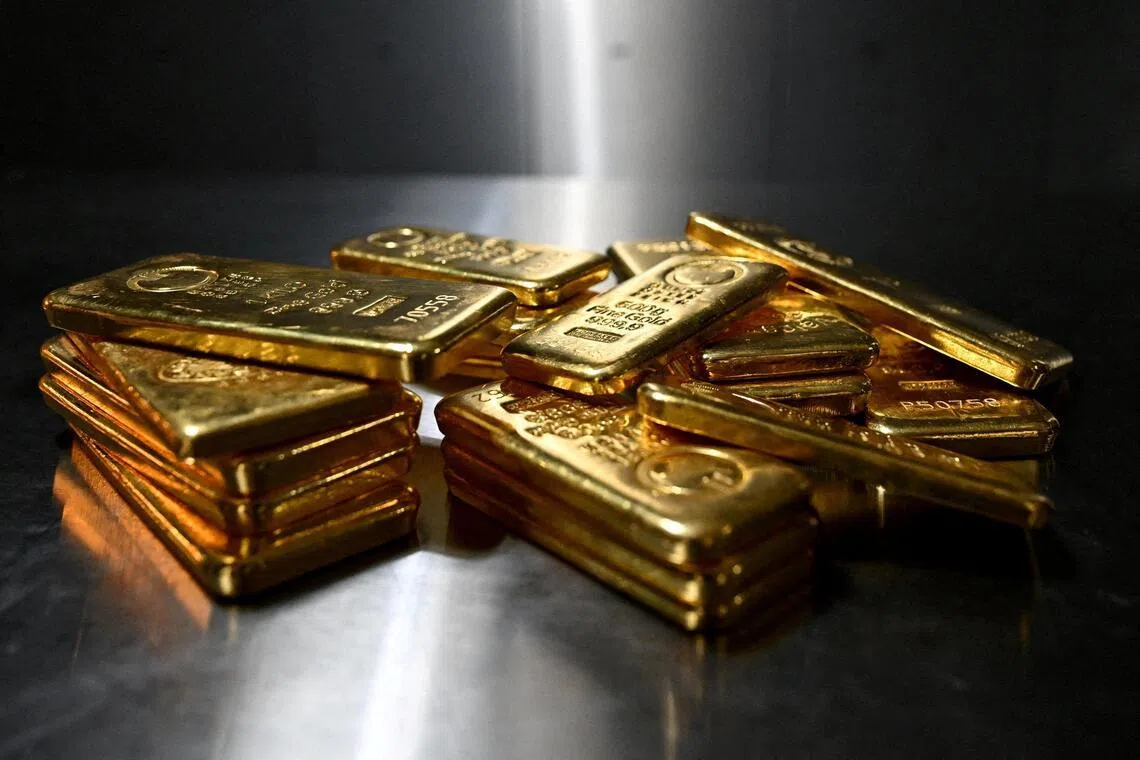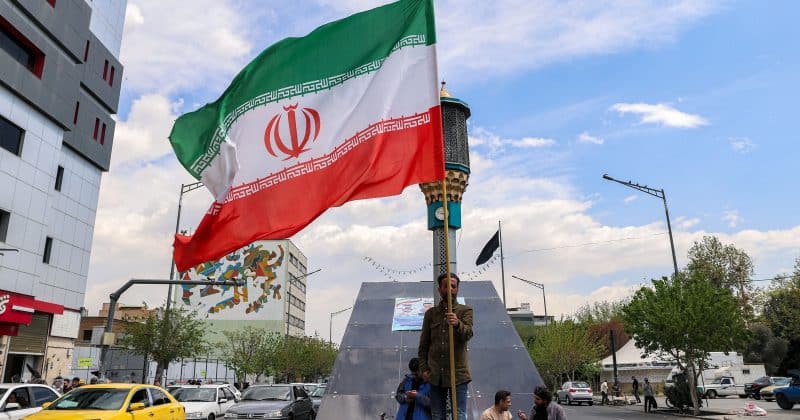
0813 GMT - Gold slides 2% as fresh U.S.-Iran strikes raise fears that a prolonged conflict and higher oil prices could fuel inflation and prompt interest-rate hikes by the Federal Reserve. The U.S. launched military strikes Tuesday against Iran in response to the downing of a U.S. Apache helicopter near the Strait of Hormuz, while Iran's Islamic Revolutionary Guard Corps launched a drone attack on the U.S. Fifth Fleet in Bahrain. The latest escalation has increased uncertainty over prospects for a peace agreement and gradual reopening of the Strait, a critical artery for global energy shipments. "The precious metal is now roughly 20% below its pre-conflict level, with additional selling pressure emerging after prices fell below key technical support levels closely watched by investors," analysts at MUFG say. In early trading, New York gold futures are down 2.3% to $4,185.70 a troy ounce. (giulia.petroni@wsj.com)
Oil Rises on Fresh U.S.-Iran Strikes While Traders Await Stockpiles Data -- Market Talk
0759 GMT - Oil prices edge higher after the U.S. launched military strikes against Iran in retaliation for the downing of a U.S. Apache helicopter near the Strait of Hormuz. In early European trading, Brent crude is up 0.4% to $91.84 a barrel, while WTI futures rise 0.2% to $88.38 a barrel. "The latest escalation threatens to prolong restrictions on traffic through the Strait of Hormuz, a critical route for global oil and gas exports, while declining U.S. crude inventories underscore tightening supply conditions," analysts at MUFG say. "Going forward, developments in US-Iran negotiations, security conditions around Hormuz, and the pace of inventory drawdown will be key drivers of oil market sentiment." Traders now await the latest data on U.S. crude stockpiles due later on Wednesday. (giulia.petroni@wsj.com)