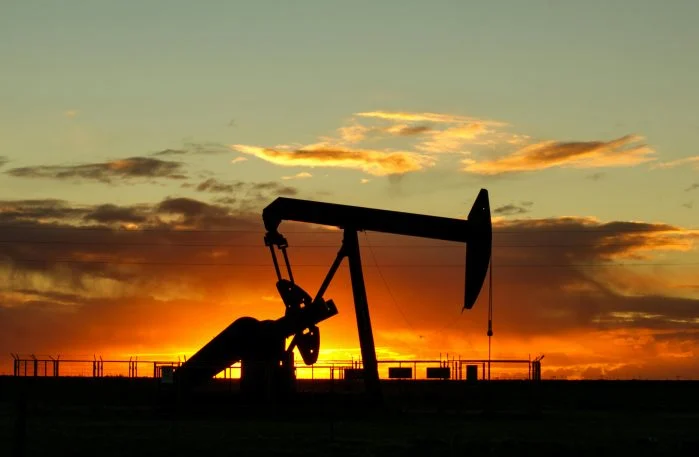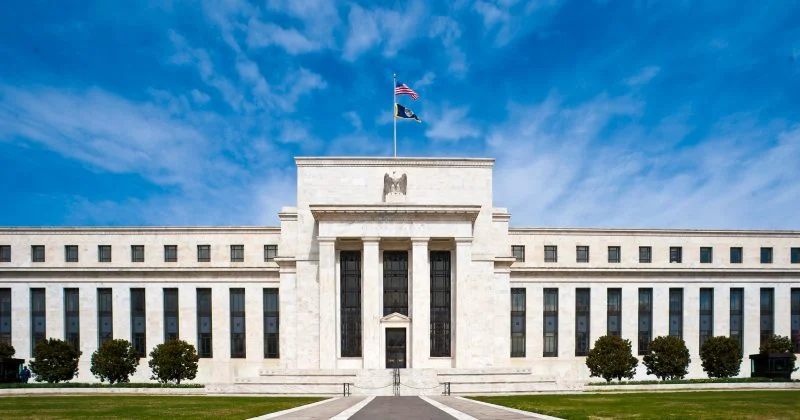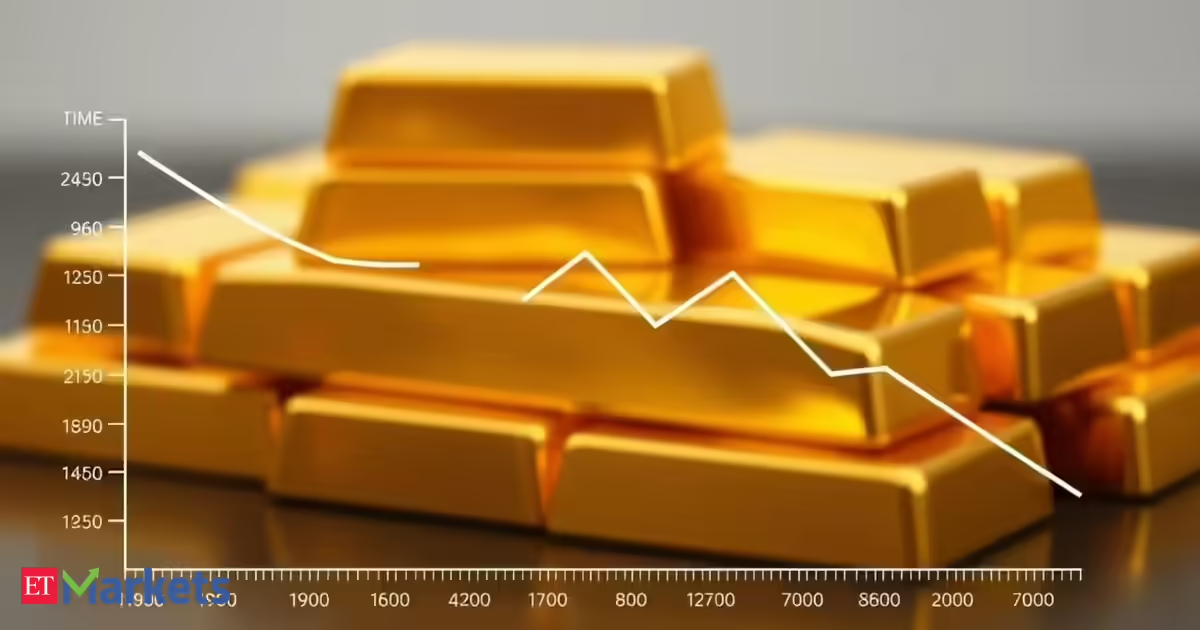
Gold prices fell to $4,118.71 per ounce, registering a 0.10% decline as renewed U.S.-Iran strikes impacted Middle East energy supply, causing a surge in oil prices. Brent crude rose nearly 8% to $79 per barrel, given fears of extended hostilities and disruptions in the Strait of Hormuz, which accounts for a significant portion of global oil and LNG supply. The inflationary pressures stemming from the conflict have reinforced expectations that the Federal Reserve might maintain a hawkish stance on interest rates, with a potential rate hike by October under Chair Kevin Warsh. This development places additional pressure on gold, which offers no yield, as it faces competition from interest-bearing assets like Treasuries.
Key Takeaways
Gold’s decline appears connected to heightened inflation risks due to Middle East tensions and hawkish Federal Reserve expectations.
Pricing in Fed rate cut markets suggests a lower likelihood of cuts in 2026, consistent with a hawkish Fed stance.
Gold markets reflect a lack of confidence in reaching higher price targets, with current indicators showing limited support for significant price increases.