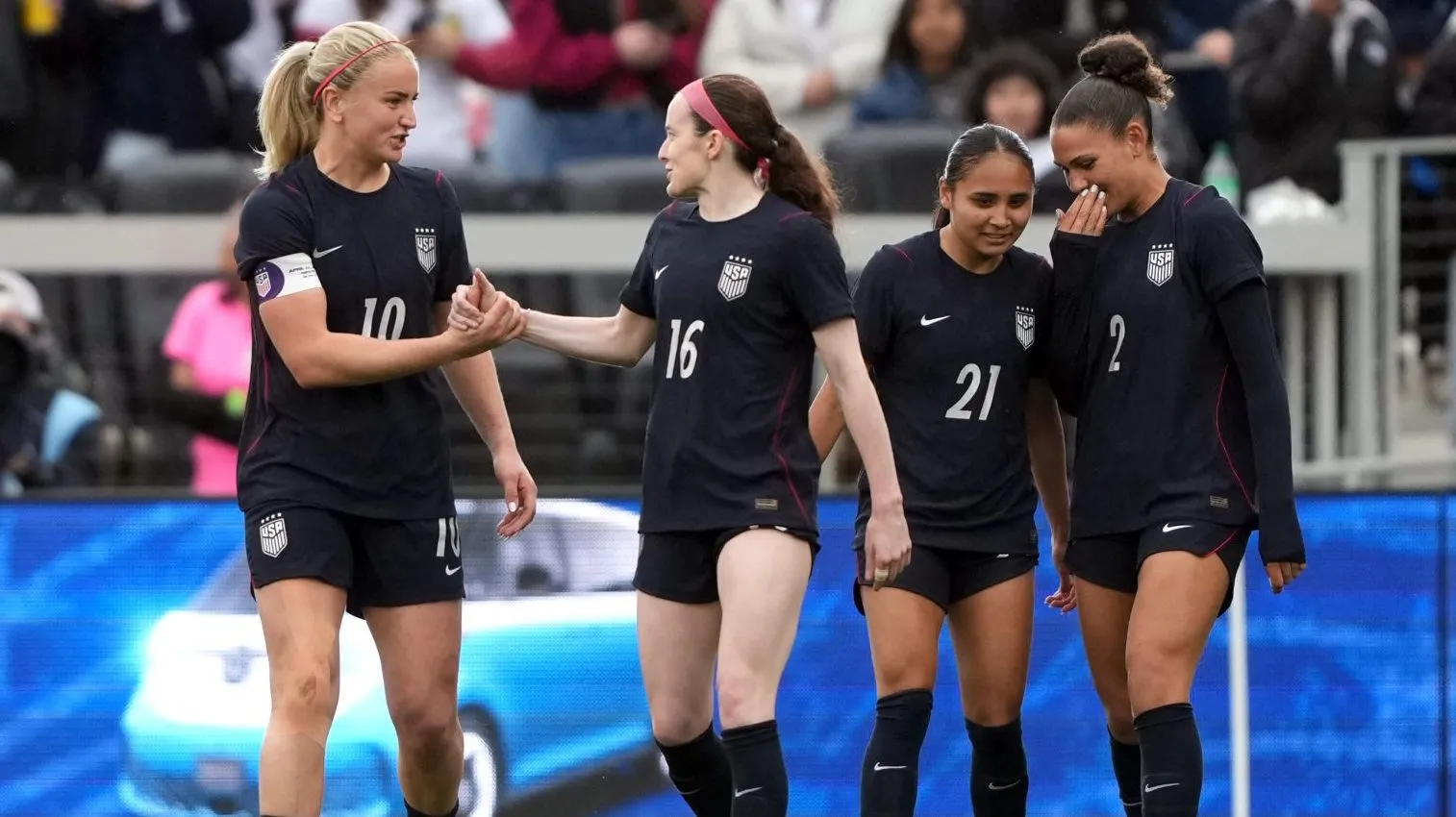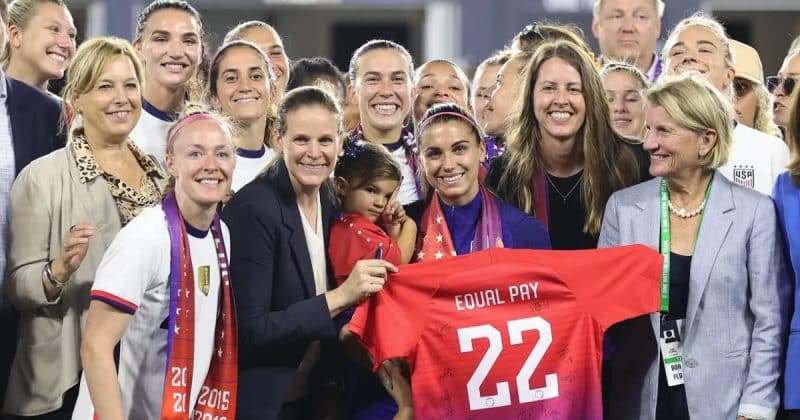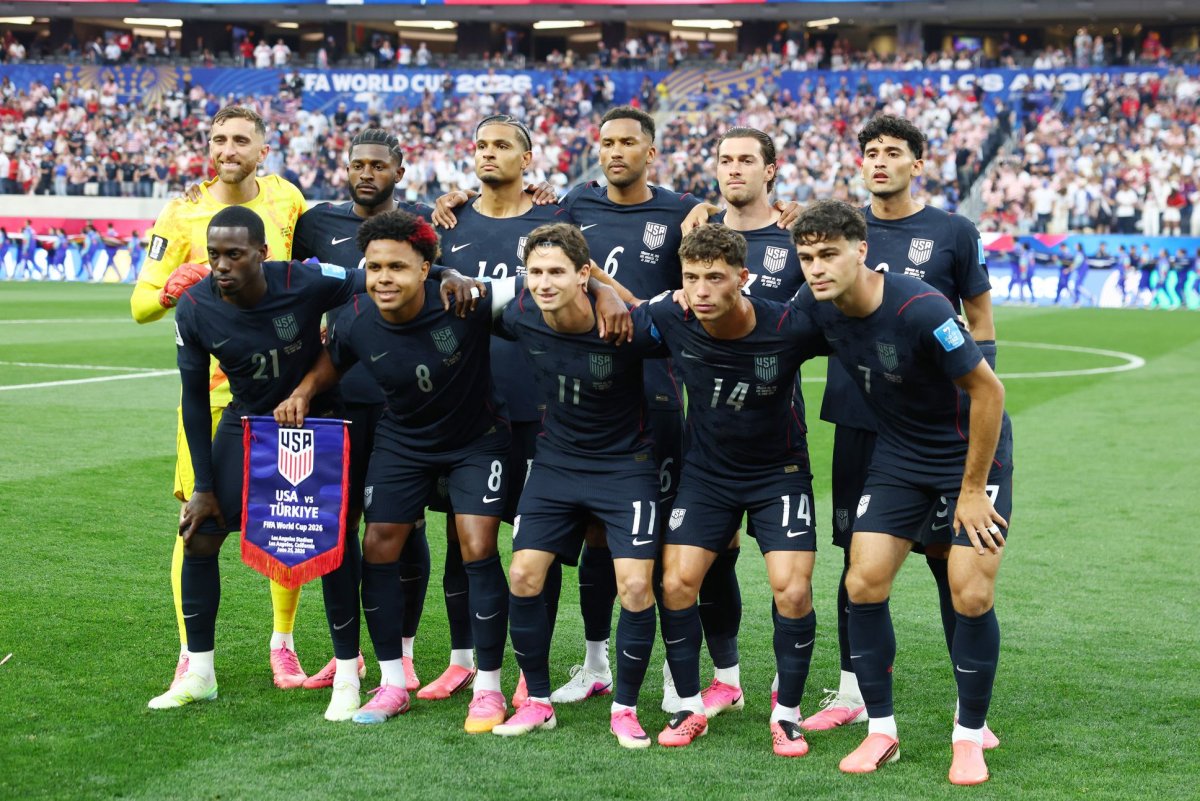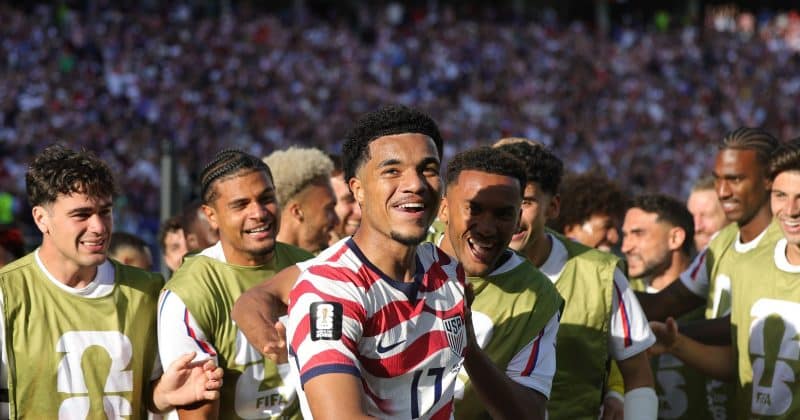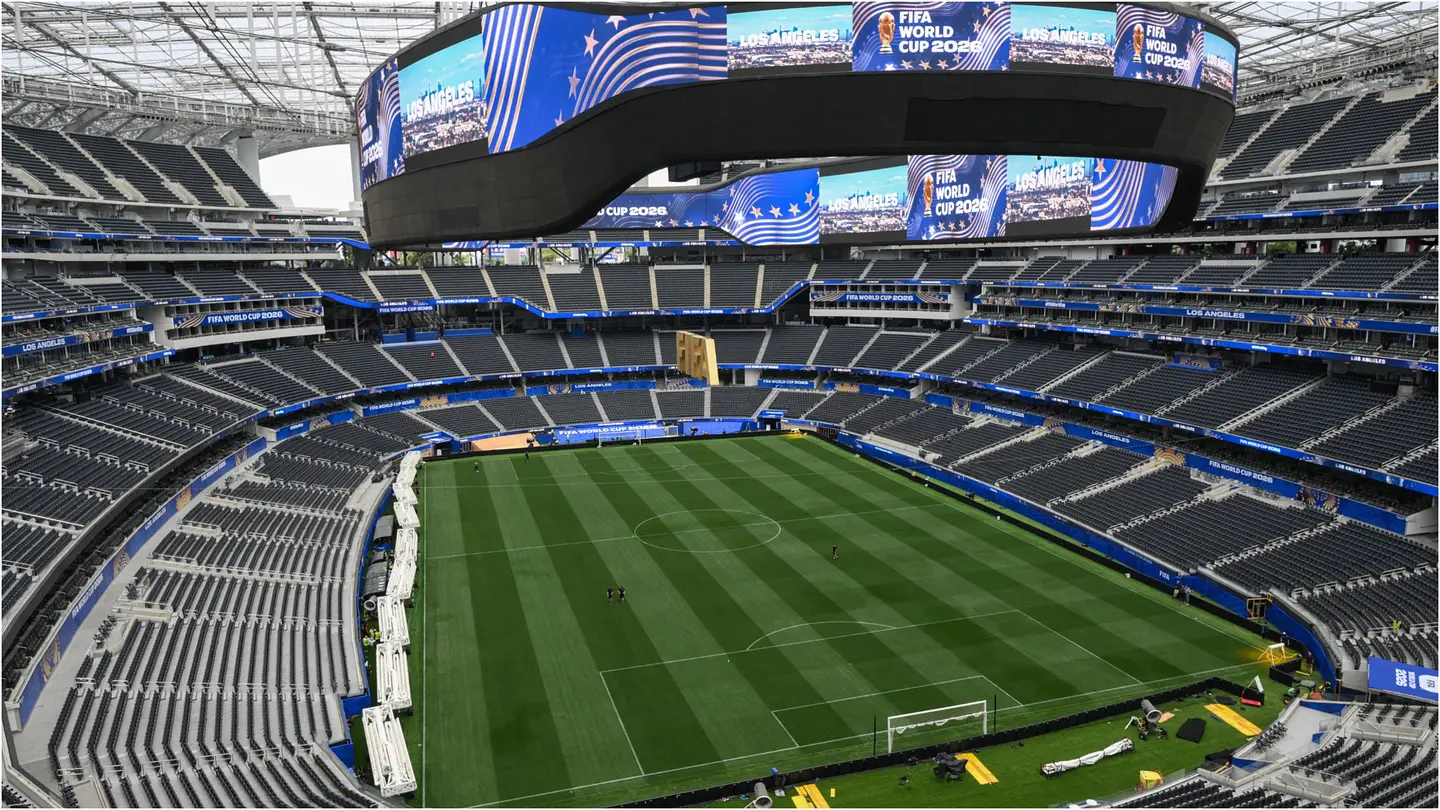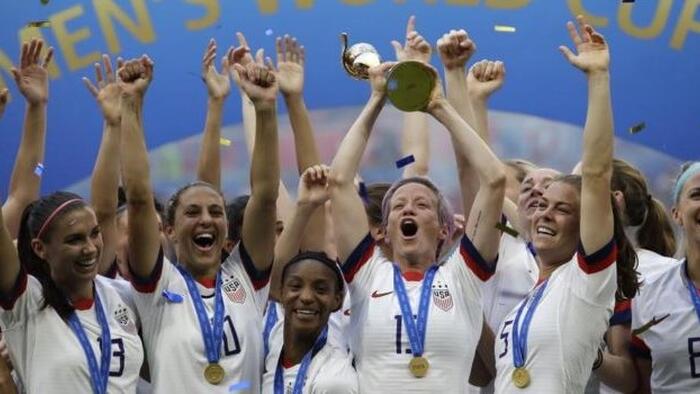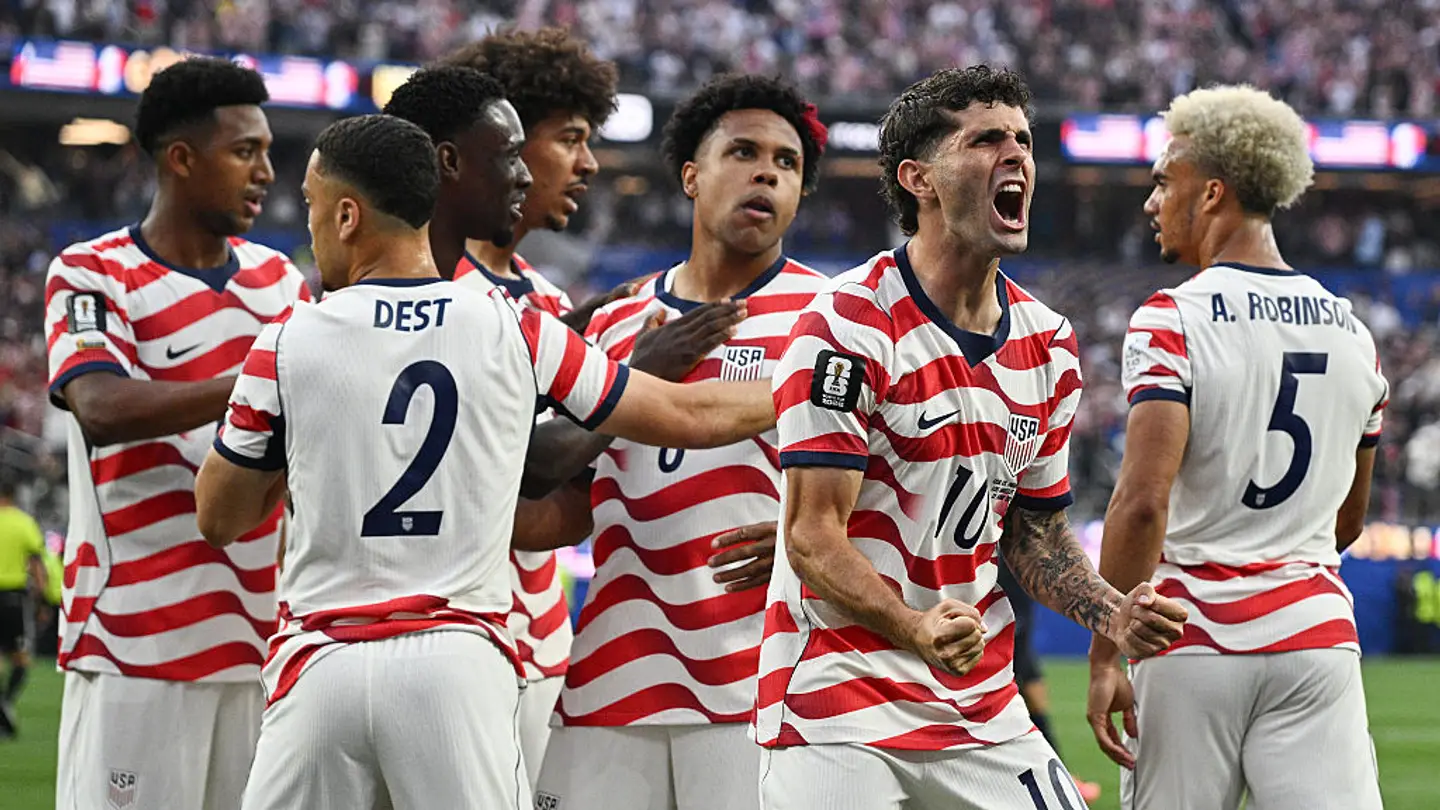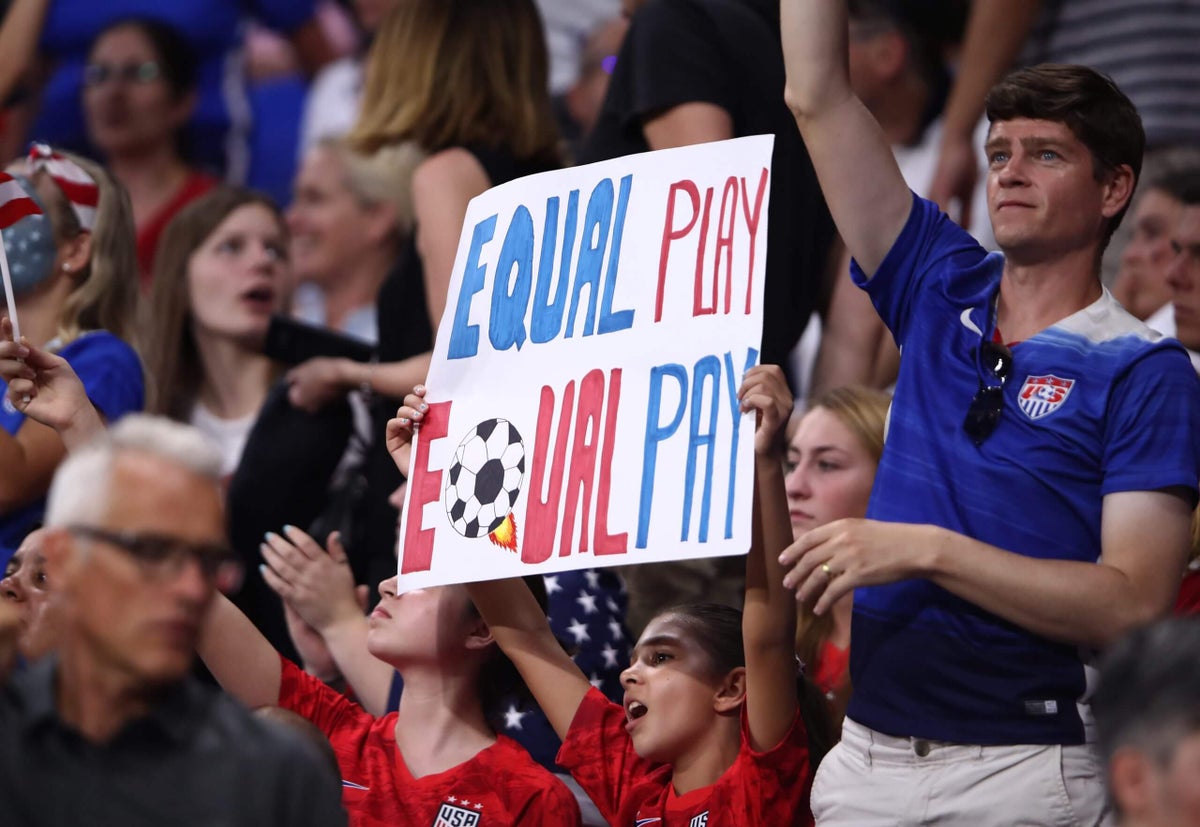
The U.S. men’s national team left the 2026 men’s World Cup with little more than bruised egos after Monday night’s 4-1 loss to Belgium in the round of 16. However, the consolation prize is not insignificant: a $15 million FIFA payday, and its impact will expand to the entire federation.A sizable share of that money is also headed to the U.S. women’s national team, not because stars including Trinity Rodman and Lindsey Heaps took part in the tournament as World Cup ball presenters, but because their World Cup-winning predecessors negotiated a landmark revenue-sharing agreement unmatched in global soccer.Under the landmark collective bargaining agreement signed in 2022, the U.S. men’s and women’s national teams will equally share FIFA World Cup prize money from the 2026 men’s World Cup and the 2027 Women’s World Cup just as they did for the 2022 and 2023 World Cup cycle, except their take home is slightly lower as U.S. Soccer retains 20 percent of the prize money awarded by FIFA. The remaining 80 percent will be pooled and split evenly between the men’s and women’s national team player pools, provided the USWNT qualifies for their respective tournament in 2027.Of the approximately $15 million FIFA awarded the U.S. for reaching the round of 16, U.S. Soccer will retain about $3 million, leaving roughly $12 million to be shared between the men’s and women’s player pools, approximately $6 million for each team before any player distribution within those pools. However, that money goes into an account until the end of the 2027 Women’s World Cup cycle.The U.S women signed the landmark equal pay collective bargaining agreement at Audi Field on Sept 6, 2022, in Washington, DC. (Tim Nwachukwu / Getty Images)The agreement was the product of years of public pressure, legal battles and collective action by the USWNT, whose on-field dominance had long outpaced its compensation. Between 1991 and 2019, the women won four World Cups and four Olympic gold medals. The men’s best modern World Cup finish — which started in 1998 when FIFA moved the tournament to 32 teams — remains a quarterfinal appearance in 2002.
U.S. men’s World Cup exit still means a $6 million payday for both the men’s and women’s teams
The landmark collective bargaining agreement signed in 2022 means the teams split World Cup winnings equally.
934 words~4 min read