Turn any article into a podcast. Upgrade now to start listening.
Members can share articles with friends & family to bypass the paywall.
You’re reading Dispatch Energy, a weekly newsletter on energy and climate policy featuring Alex Trembath, Philip Rossetti, Lynne Kiesling, Rory Johnston, and Roger Pielke Jr. To access more Dispatch reporting and analysis, become a member today.
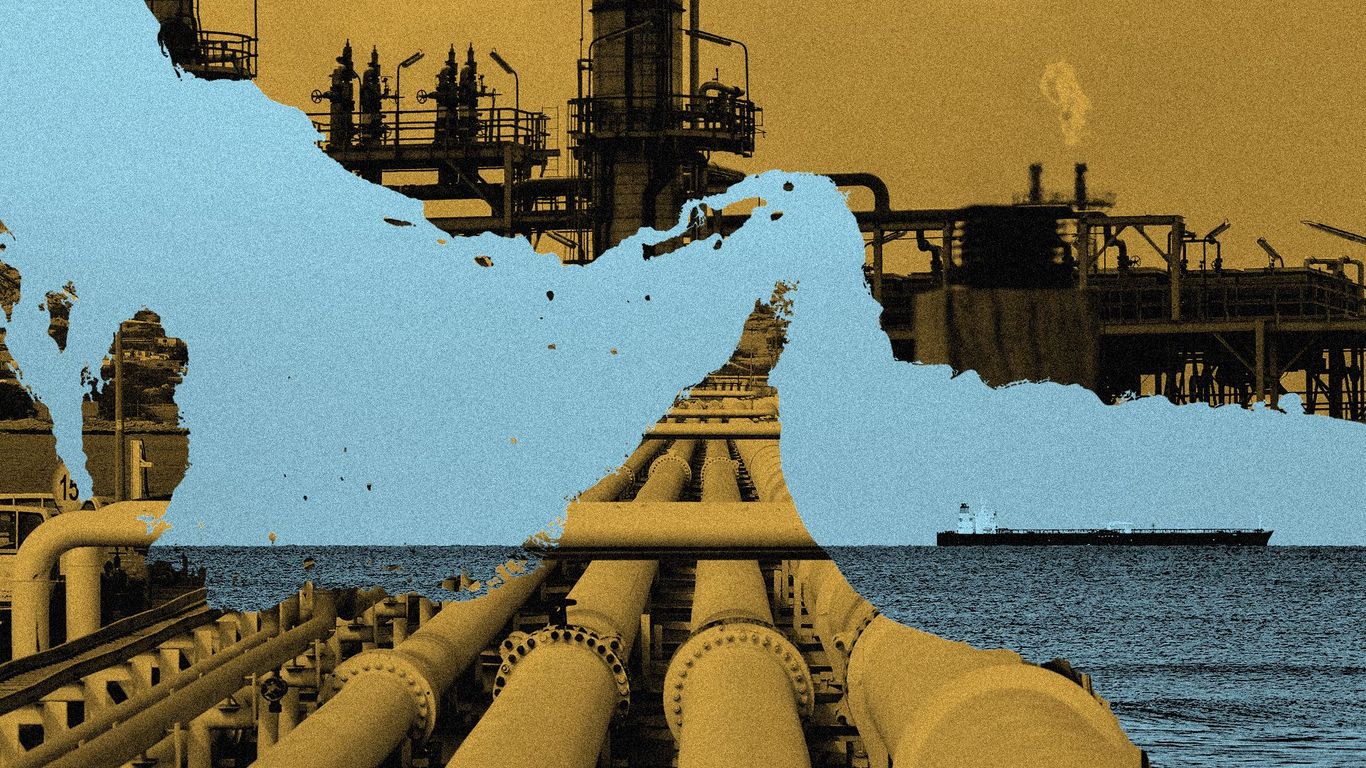
Welcome to Dispatch Energy! Oil flows are lurching toward recovery in the Strait of Hormuz, and crude oil markets have softened from their historic rally. But you may not have even noticed this near-total return of crude prices to prewar levels if you filled up your family’s car over the holiday weekend. For crude oil, market indicators are signaling at least short-term oversupply, given a rush of long-stranded tankers exiting the Strait of Hormuz and still-weak Asian import demand amid China’s ongoing buyers’ strike. Indeed, West Texas Intermediate (WTI) crude prices are back below $70 a barrel, even amid continued instability in the Middle East.
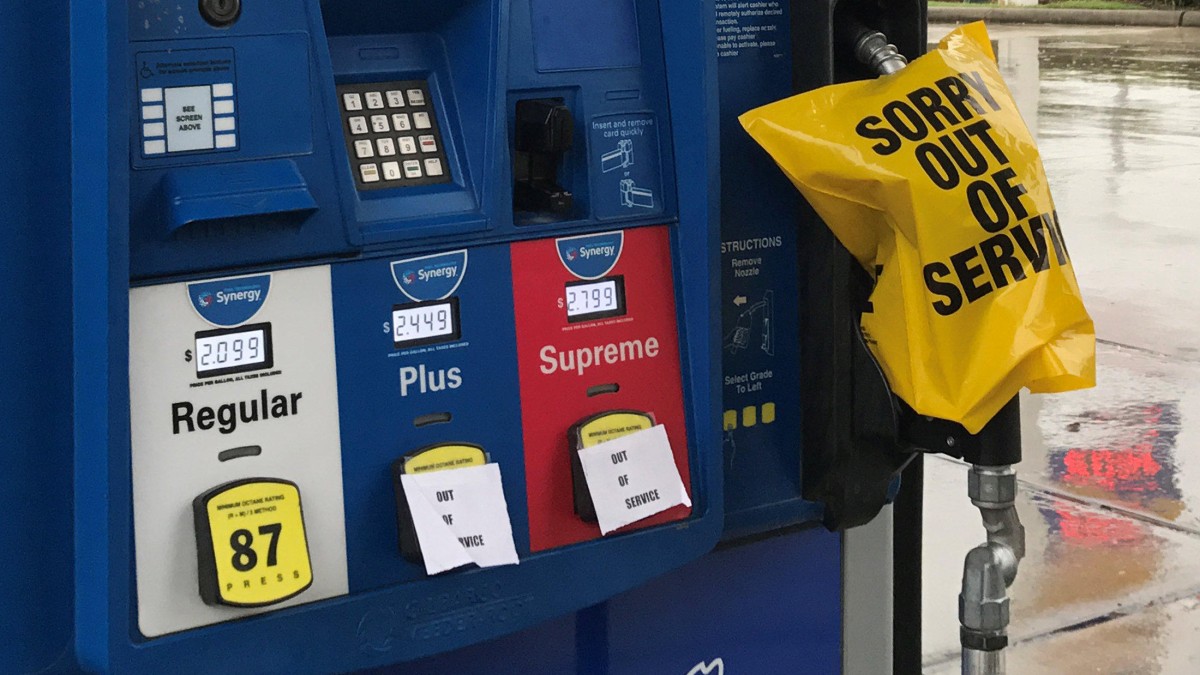
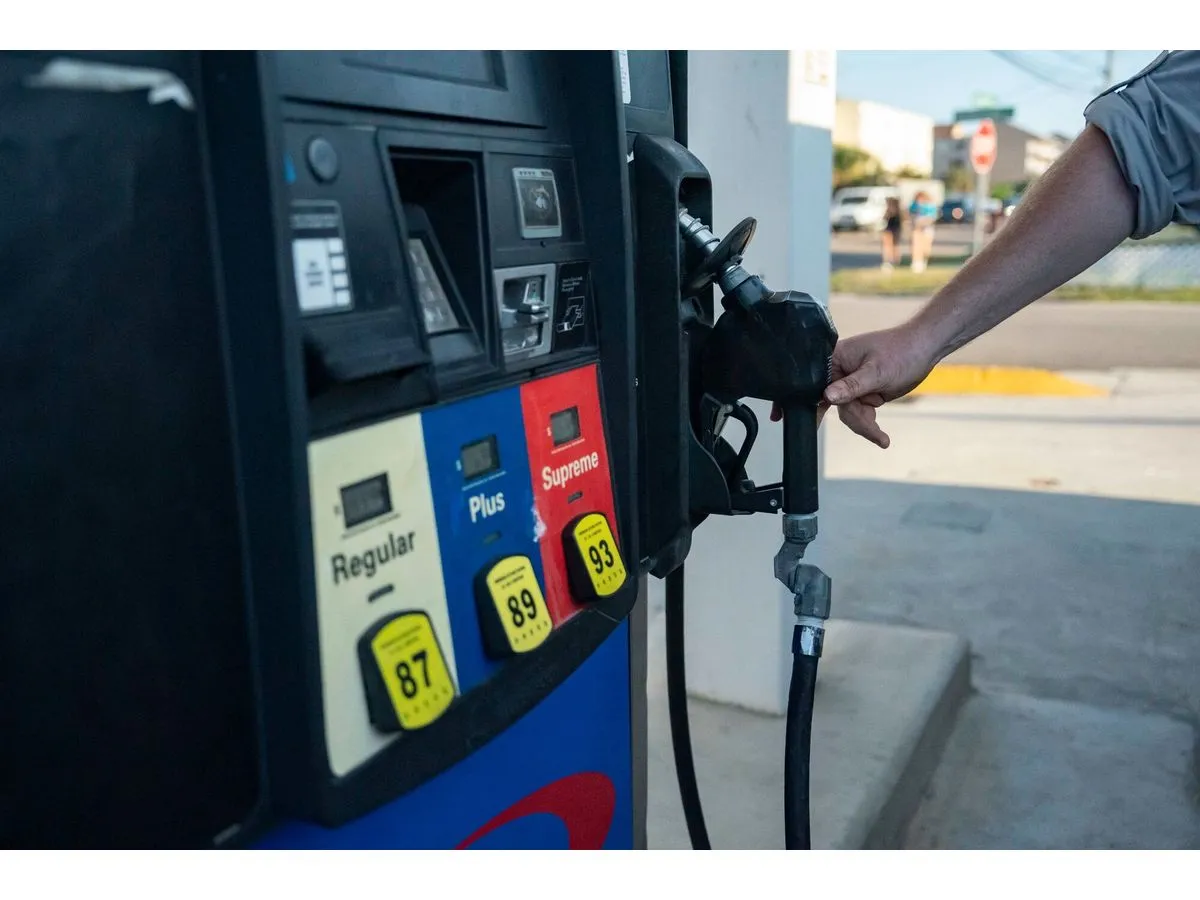
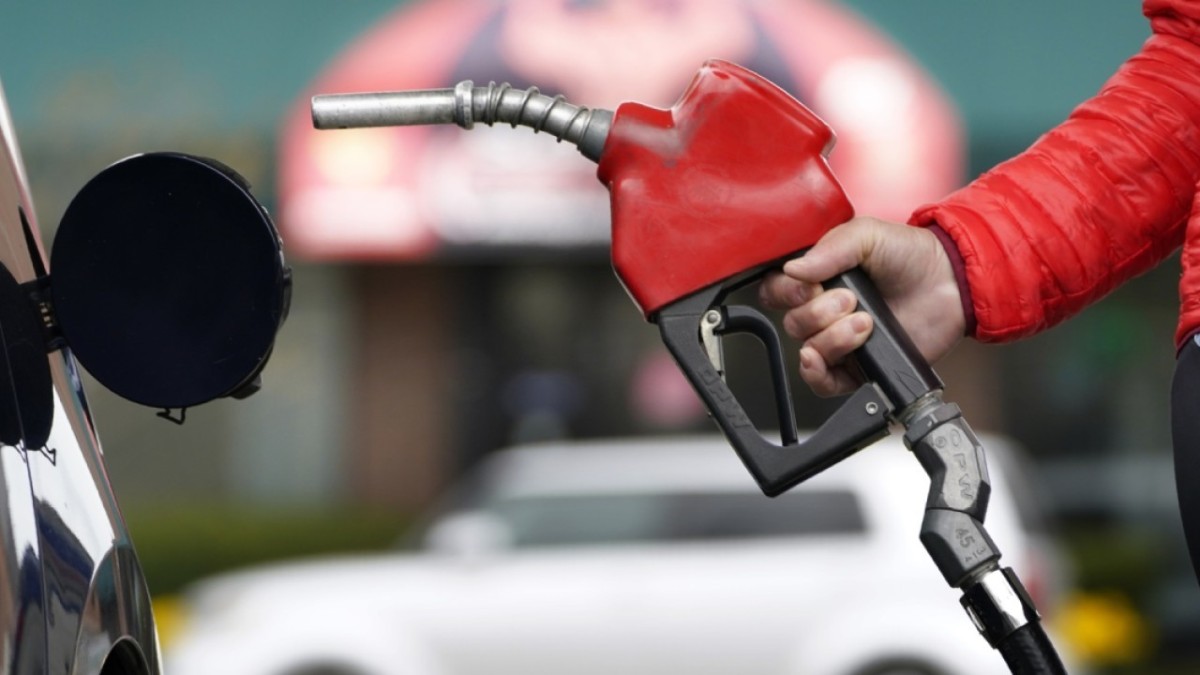
Despite WTI crude prices being roughly the same as last summer, current consumer prices are materially higher. Average U.S. gasoline prices are sitting around $3.80 per gallon—down from more than $4.50 in May but still considerably higher than February’s less than $3.00 and last summer’s average of $3.15. U.S. diesel prices are even more elevated at $4.80 per gallon, down from $5.70 in May but more than $1 higher than the same time last year.