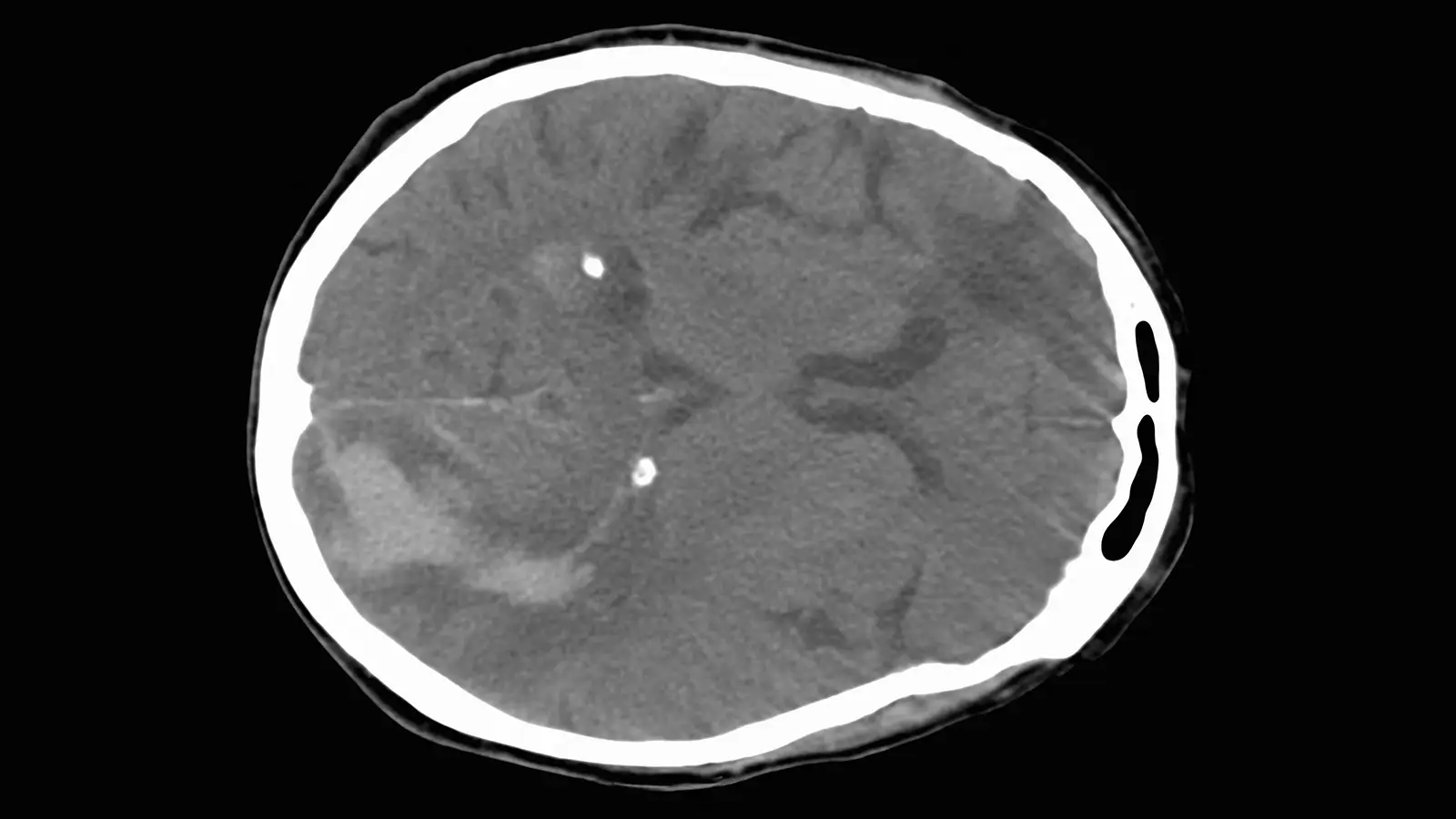
A Korean cohort study compared the prognostic value of quantitative volumetry versus ASPECTS in thrombectomy-treated patients.Quantitative infarct volumetry turned out to be a more accurate estimation of biological infarct burden than ASPECTS in patients with large-core stroke.Additionally, extensive infarctions >110 mL on volumetry marked the upper infarct volume where the benefit of reperfusion diminishes.
There was evidence for going beyond the Alberta Stroke Program Early CT Score (ASPECTS) in selecting stroke patients with enough salvageable brain tissue to benefit from thrombectomy, one group contended.
Based on a nationwide Korean cohort undergoing endovascular therapy (EVT), there was major discordance between CT-based ASPECTS and volumetric measurements: regardless of ASPECTS status, patients meeting the volumetric large-core definition per diffusion-weighted imaging (DWI) MRI had substantially worse functional outcomes (90-day modified Rankin Scale score 5-6; adjusted OR 6.92, 95% CI 2.58-19.34).
Meanwhile, strokes classified as large core by ASPECTS but not by DWI volumetry were not independently associated with poor outcome. In fact, an ASPECTS-only large-core stroke was more akin to volumetric small-core strokes in terms of the likelihood of a poor functional outcome (11.8% vs 11.7%), according to Beom Joon Kim, MD, PhD, of Seoul National University Bundang Hospital in Seongnam, Korea, and colleagues reporting in Stroke.