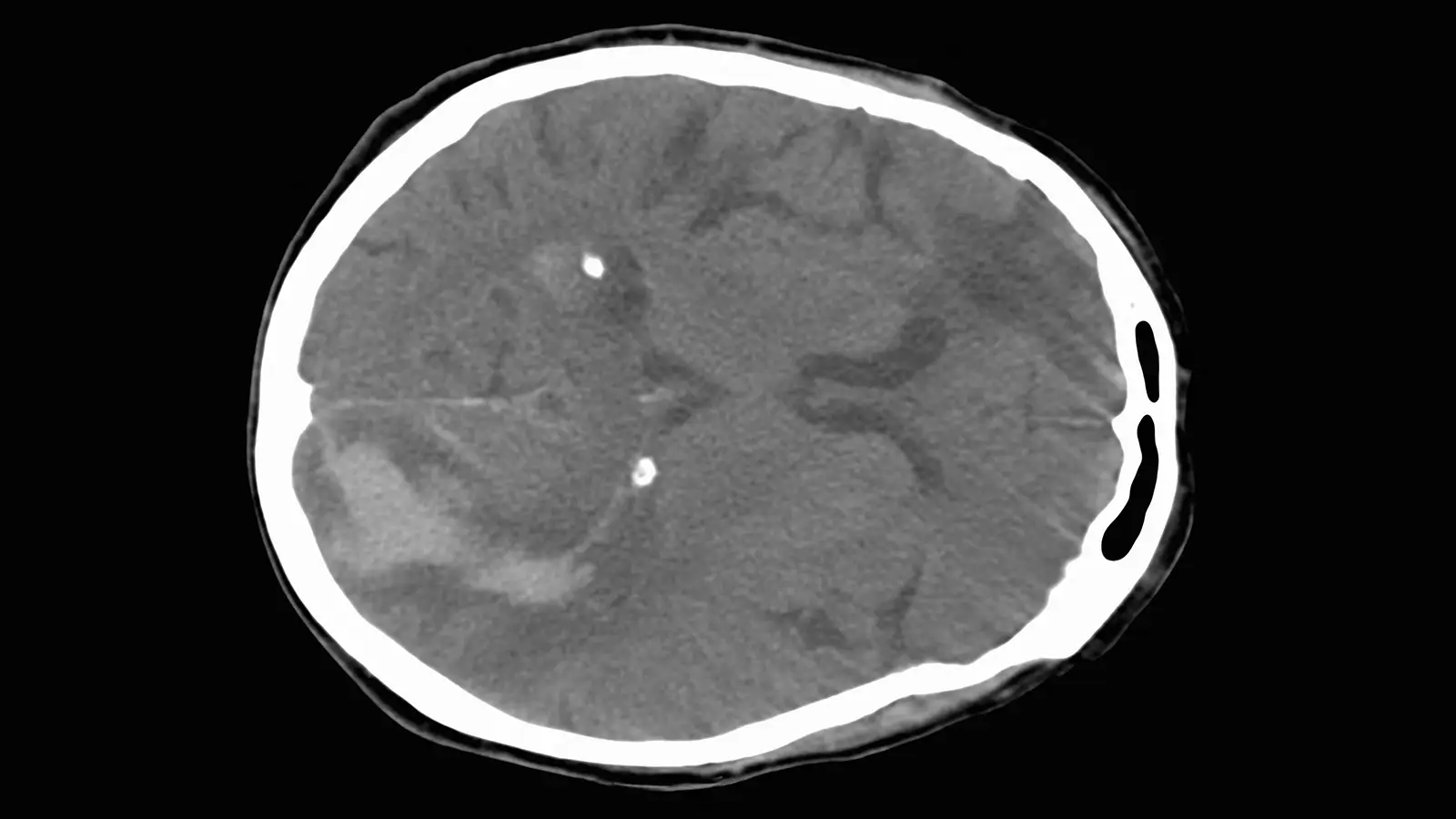
T-FLAVOR investigators compared tenecteplase with low-dose alteplase in stroke patients scheduled for endovascular therapy (EVT).The trial notably took place in Japanese patients, believed to be more susceptible to bleeding, for whom low-dose alteplase is still standard of care.More work is needed given concerns that tenecteplase may affect clot migration and distal embolization in EVT.
Standard-dose tenecteplase (TNKase) beat low-dose alteplase as a bridge to stroke thrombectomy in bleeding-prone patients, a Japanese trial found.
Early reperfusion outcomes significantly favored patients who received tenecteplase, for whom initial angiograms were more likely to show modified Treatment in Cerebral Ischemia grade 2b to 3 or no retrievable thrombus (10.3% vs 3.6%).
This put tenecteplase over a prespecified line for superiority, reported Kazunori Toyoda, MD, PhD, of National Cerebral and Cardiovascular Center in Suita, Japan, and colleagues of the T-FLAVOR study in JAMA Neurology.
Tenecteplase and low-dose alteplase groups shared comparable functional and safety outcomes:90-day modified Rankin Scale (mRS) scores numerically trended in favor of tenecteplase (common OR 1.47, 95% CI 0.92-2.35)Symptomatic intracranial hemorrhage within 24-36 hours was not significantly excessive with tenecteplase (2.8% vs 1.8%)Mortality at 90 days was also similar between tenecteplase and alteplase (6.5% vs 9.9%)