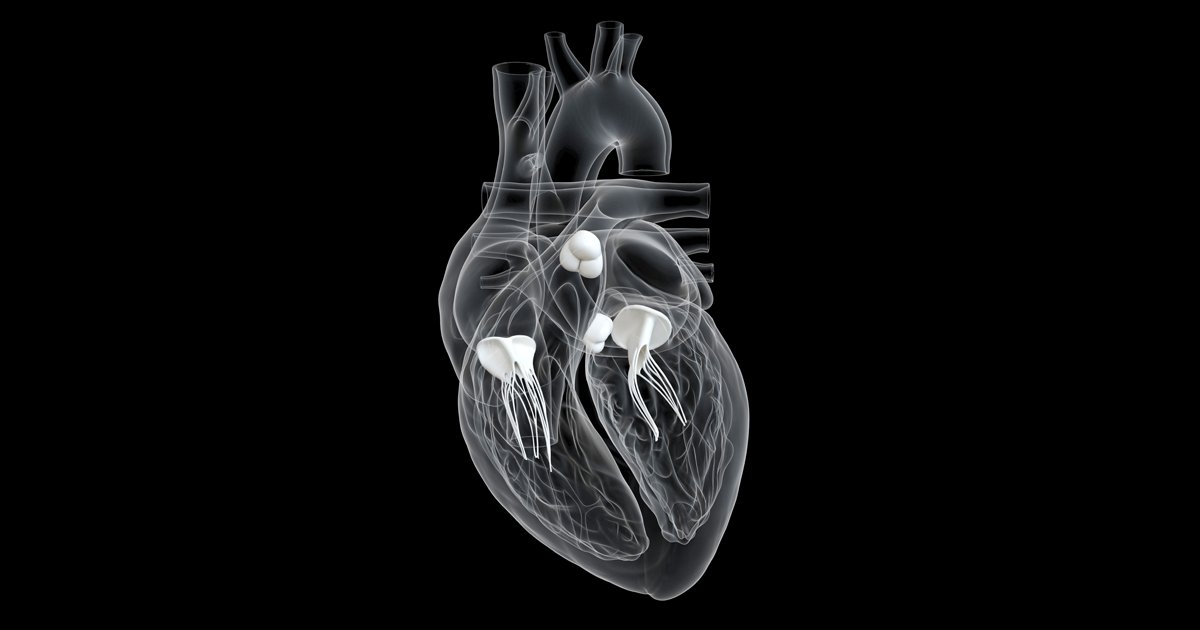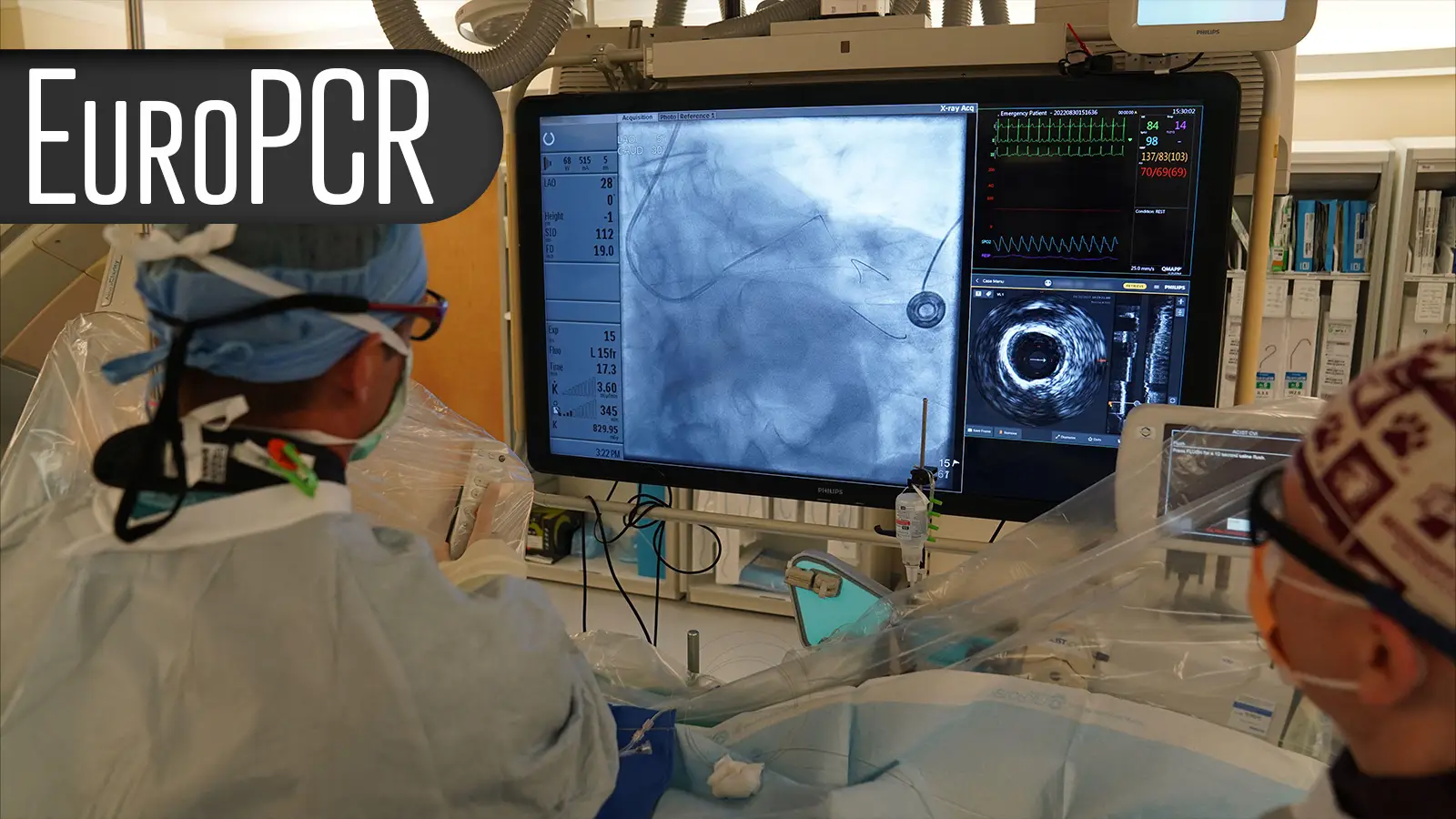
Early hemodynamic valve deterioration (HVD) after transcatheter aortic valve replacement (TAVR, or TAVI) appeared to have clinical impact by the 4-year mark, according to registry data.
By that point, post-TAVR HVD was associated with lower valve-related long-term clinical efficacy (subdistribution HR 0.42, 95% CI 0.32-0.56), reported Antonin Trimaille, MD, PhD, of Laval University in Quebec City and Strasbourg University Hospital in France, at the EuroPCR meeting in Paris. That endpoint encompassed freedom from bioprosthetic valve failure, stroke, presumably valve-related peripheral embolism, and type 2-4 bleeding secondary to or exacerbated by antiplatelet or anticoagulant therapy given for valve-related concerns.
"This composite outcome is particularly relevant for assessing the impact of early HVD, given its potential role as a surrogate marker of leaflet thrombosis, a condition linked to stroke and reduced bioprosthetic durability. It also accounts for major bleeding events related to antithrombotic therapies used for suspected or confirmed leaflet thrombosis," the group wrote in a paper published simultaneously in EuroIntervention.
The large-scale observational study included nearly 7,400 consecutive TAVR patients from four countries. Of note, these patients were individuals who underwent regular outpatient clinic visits; cardiac CT imaging was performed only when clinically indicated.