The US semiconductor industry has a people problem. And it’s getting worse.
A new National Landscape Analysis released on July 7 by the SEMI Foundation, in partnership with McKinsey & Company and backed by the National Science Foundation, projects the US chip sector will face a shortfall of roughly 127,000 to 157,000 workers by 2030. That’s not a rounding error. That’s an entire mid-sized city’s worth of missing engineers, technicians, and computer scientists.
The numbers keep climbing
Here’s the thing about this shortage: it keeps getting revised upward. Back in July 2023, estimates pegged the gap at around 67,000 technical workers by 2030, with the overall semiconductor workforce expected to grow from approximately 345,000 to roughly 460,000 jobs, a 33% increase. Then McKinsey’s August 2024 outlook widened the range to a potential gap of 59,000 to 146,000 engineers and technicians by 2029. Now, less than a year later, the upper bound has pushed past 150,000.
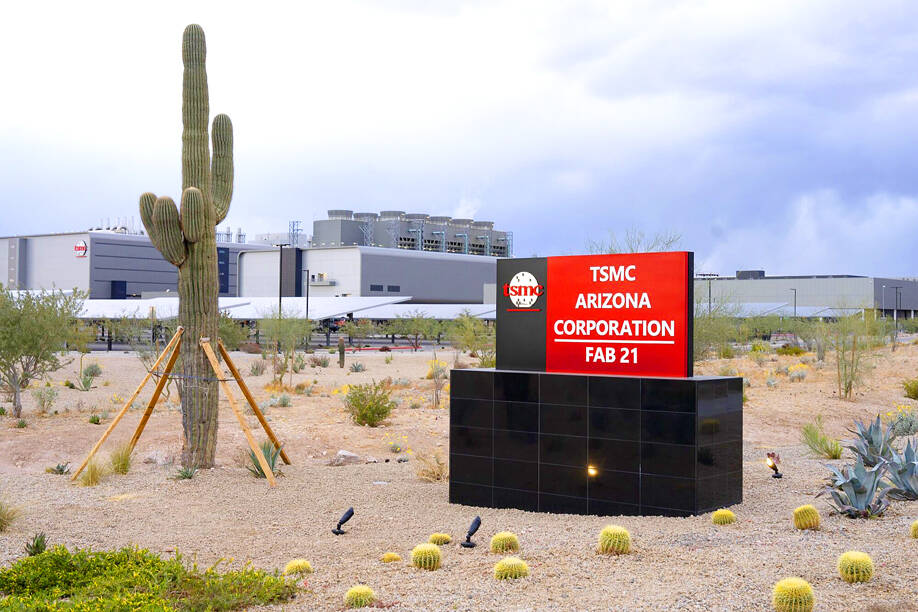
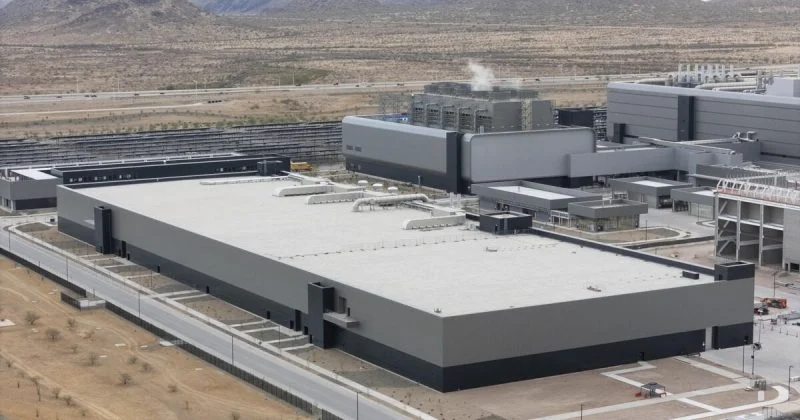
The states facing the sharpest pain are Texas, California, Arizona, New York, and Ohio. Not coincidentally, these are exactly the places where massive new fabrication facilities are either under construction or planned, largely funded by the CHIPS and Science Act of 2022.