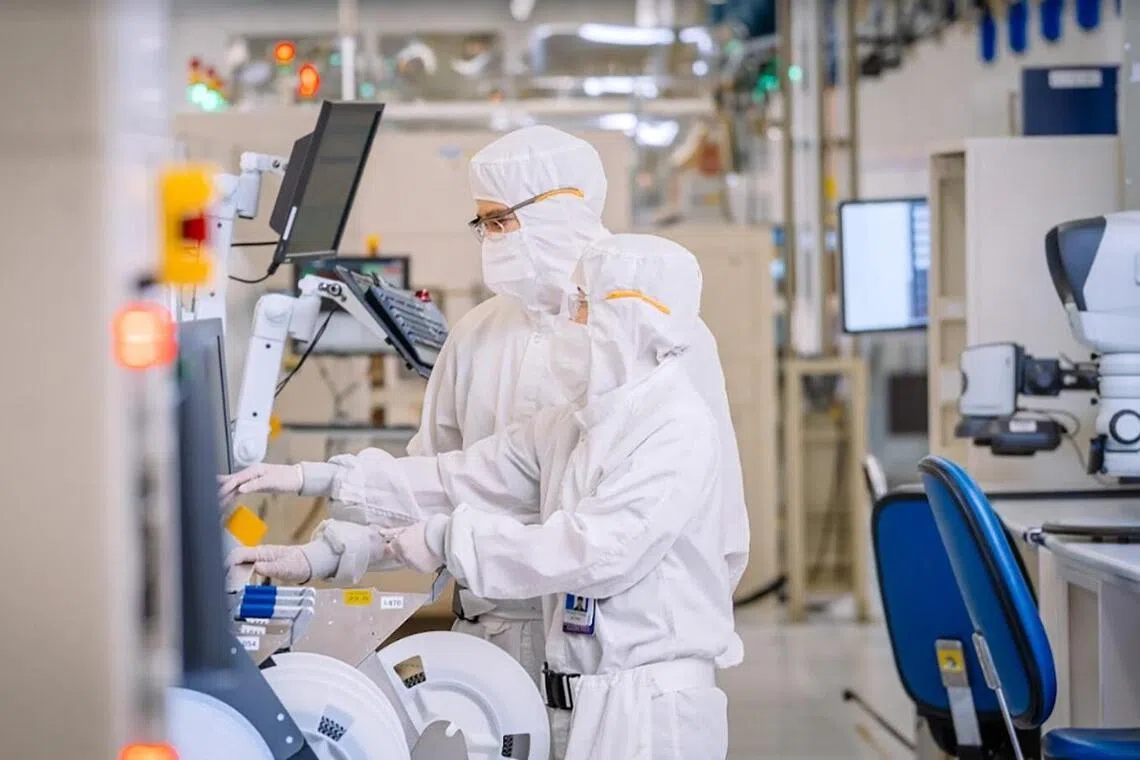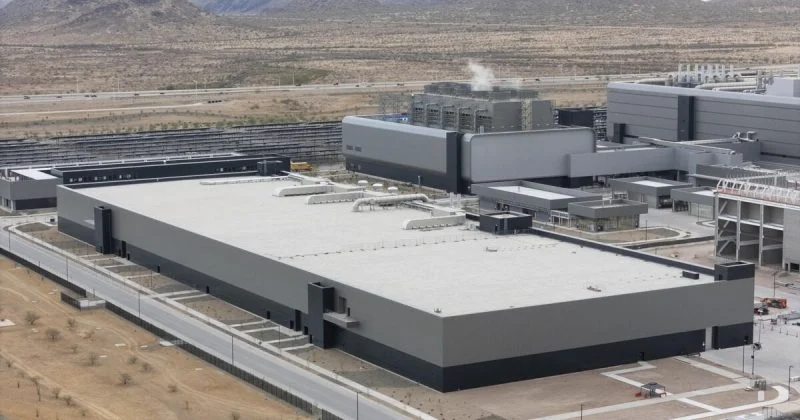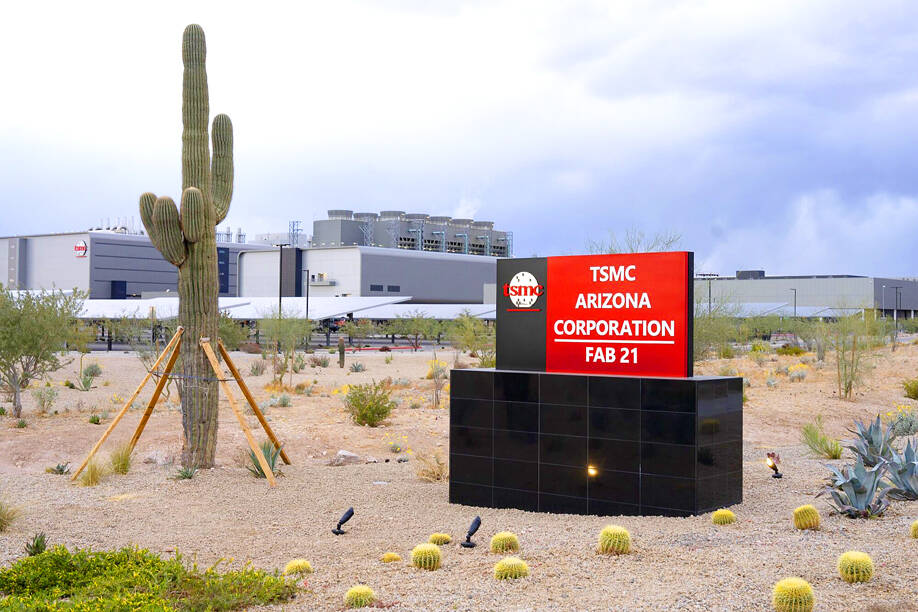
A worsening shortage of skilled workers could delay construction of new semiconductor plants across the US and limit future chip output, unless industry players pool resources and government funding continues, Bloomberg reported.The shortfall is expected to hit hardest in Texas, California, Arizona, New York and Ohio, states where most new chip facilities are being built. According to joint analysis by McKinsey & Co., industry group SEMI and the National Science Foundation, the skilled labour gap could reach as high as 157,000 full-time workers by 2030.Also read: Micron, Ford sign semiconductor supply agreement for vehiclesThe talent crunch threatens major investments already underway, including Taiwan Semiconductor Manufacturing Co.'s estimated $265 billion outlay across a dozen chipmaking and packaging plants in Arizona, Micron Technology Inc.'s $100 billion memory chip project in New York, and Samsung Electronics Co.'s logic chip facility in Texas. Intel Corp.'s delayed $28 billion Ohio investment is also expected to face shortages once production scales up, the report noted.The findings add to a growing list of challenges for US chipmakers trying to expand domestic manufacturing and reverse decades of production moving to Asia. Rising costs for copper, steel and cement are also pushing up construction expenses for plants central to President Donald Trump's economic agenda.Even as the chip sector braces for a labour crunch, the broader AI investment boom has contributed to job losses elsewhere in tech — outplacement firm Challenger, Gray & Christmas has tracked nearly 102,000 job cuts linked to AI so far this year.The report said that without intervention, the labour gap could jeopardise both private investment plans and federal funding under the 2022 CHIPS and Science Act. It recommended sustained government support, expanded semiconductor curricula, and earlier career exposure for students.Also read: US chip startup SambaNova scores billion-dollar funding roundBy 2030, roughly 74% of unfilled roles in the sector are expected to be in manufacturing, and 60% in engineering. Nearly three-quarters of employers already report difficulty hiring engineers, the survey found, a problem compounded by the fact that only about 3% of US engineering graduates enter the chip industry, with most drawn to higher-paying software and AI roles instead.The CHIPS Act has allocated $200 million through 2027 to the National Science Foundation for workforce development, run through the National Network for Microelectronics Education. The report's authors recommended continuing this funding.
US semiconductor boom faces worker shortage amid race with China
A significant skilled worker shortage could delay new US semiconductor plant construction. This talent crunch threatens major investments by companies like TSMC and Samsung. By 2030, the gap could reach 157,000 workers, impacting manufacturing and engineering roles. Sustained government support and expanded education are recommended to address this challenge. Without intervention, federal funding and private investment plans face significant risks.
384 words~2 min read