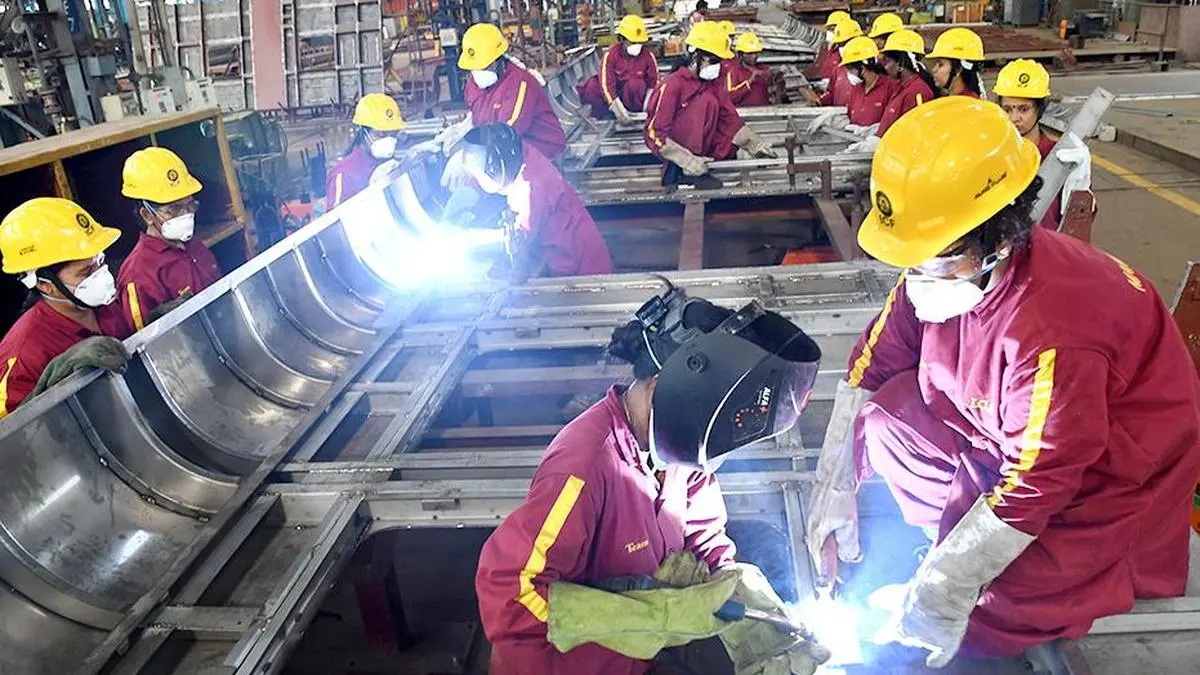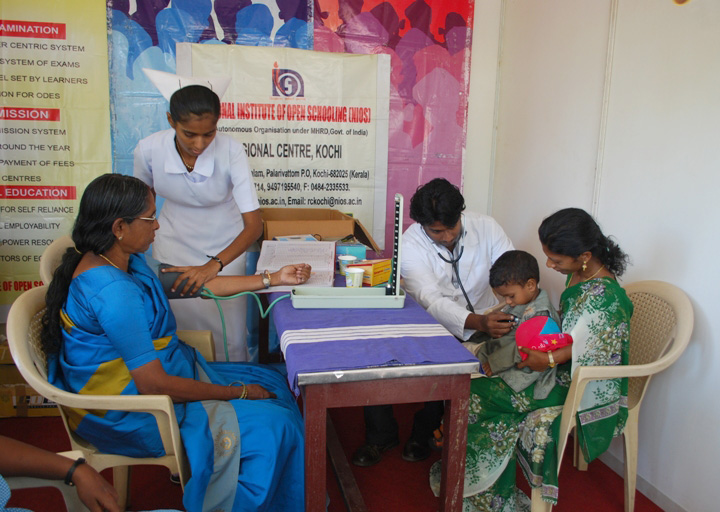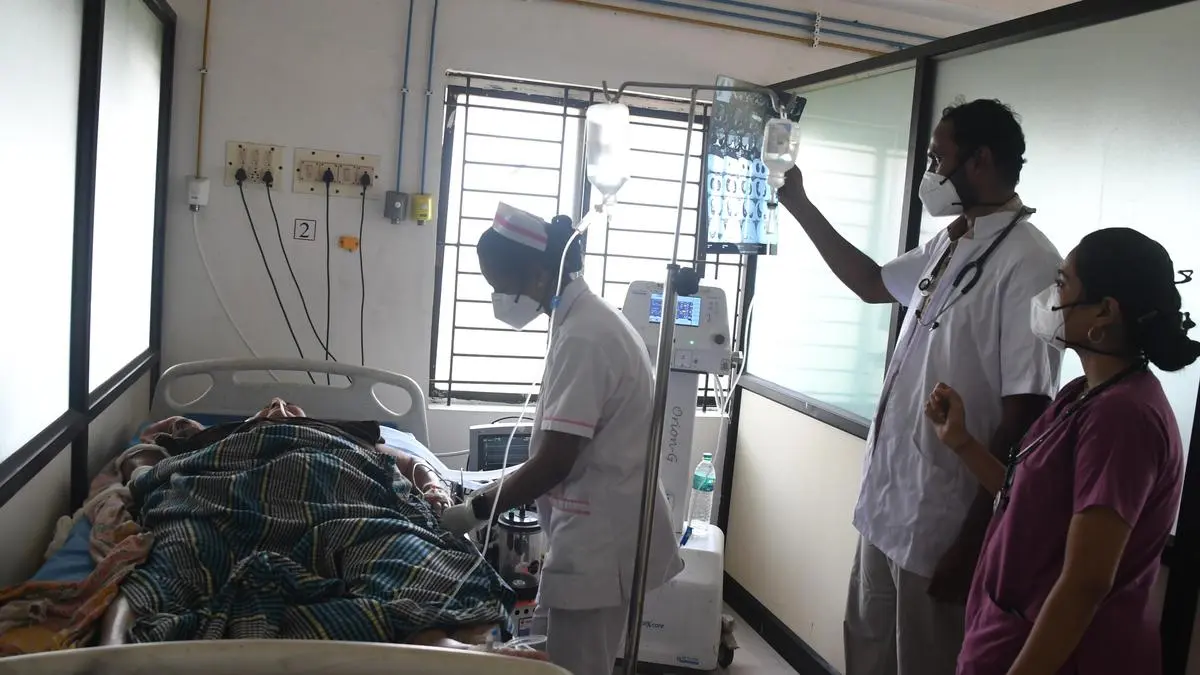
India is experiencing two revolutions at once. The first is economic. Female labour force participation has risen sharply over the past few years, supported by greater formalisation, digital payments, and government efforts to increase women’s participation in the workforce.The second is epidemiological. India is no longer fighting only infectious diseases. Diabetes, hypertension, cardiovascular disease, obesity and mental health disorders are now becoming defining public health challenges. These chronic conditions already account for most deaths in the country and place increasing pressure on both households and public finances.Most policy discussions assume that these two are unrelated. However, new research, forthcoming in the Oxford Open Economics journal, suggests that they may be deeply connected.Looking beyond hospitalsIndia has traditionally measured progress in healthcare through familiar indicators such as more hospitals, more doctors, more insurance coverage, and higher healthcare expenditure. These investments remain indispensable; schemes such as the Ayushman Bharat have expanded financial protection for millions of households, while improvements in primary healthcare infrastructure continue to save lives. But healthcare expenditure is only one way of producing health. Many of the biggest determinants of health lie outside hospitals — better nutrition, healthier lifestyles, timely preventive care, education, sanitation, and informed household decision-making. If households began investing more in these activities, healthcare expenditure may fall, not because health deteriorates, but because health improves.
Linking women’s incomes and healthcare
Women may be using their additional income to reorganise household priorities in ways that reduce future dependence on healthcare
755 words~3 min read