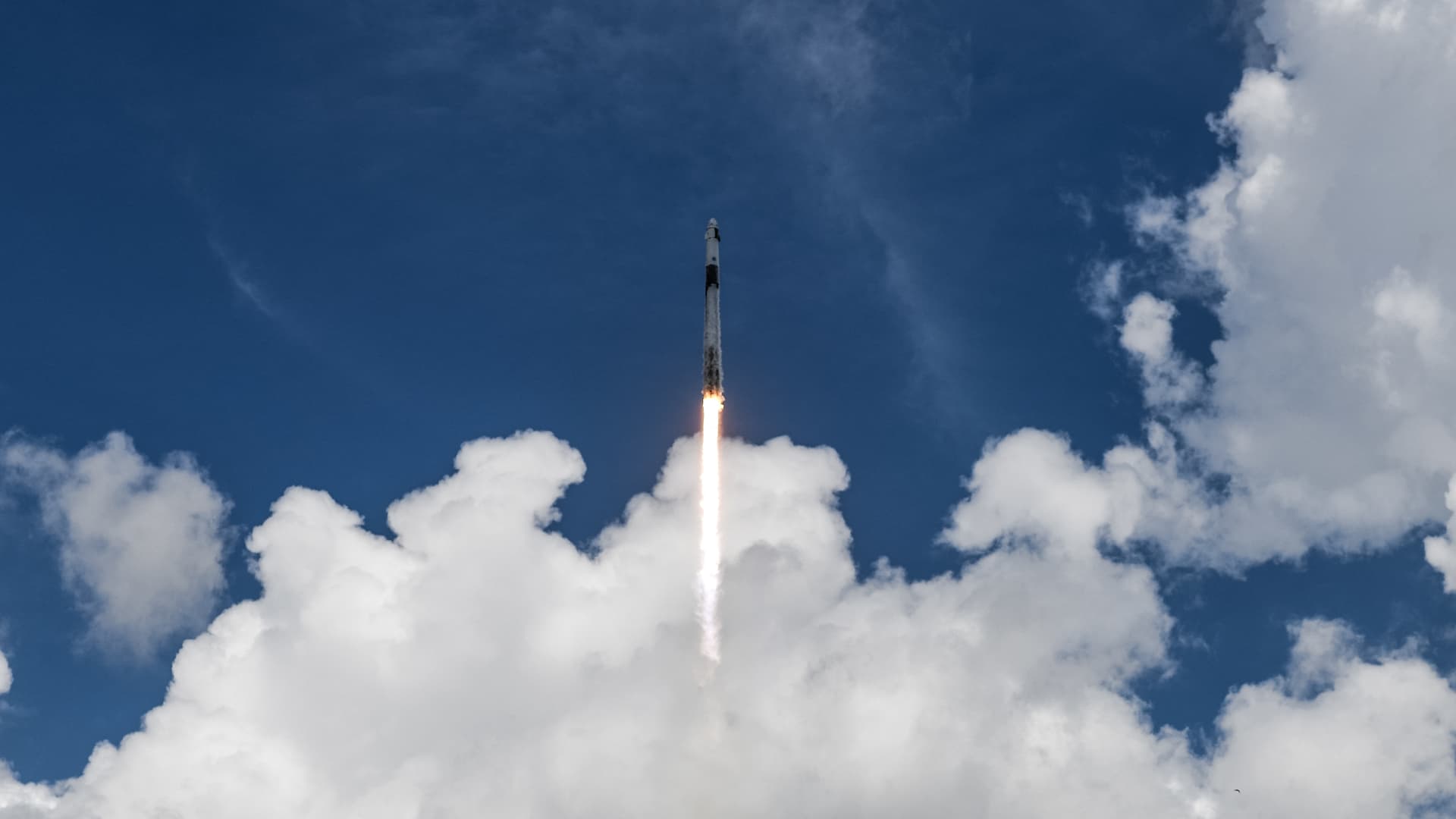
(Image credit: SpaceX)
Futurists and science fiction writers have predicted privately funded missions to Mars for decades, but until recently, the prospect appeared to be decades away. While fully private human missions to Mars are probably not yet practical (given the complexity and cost of such missions), the commercial sector, in partnership with space agencies such as NASA, has a critical role to play in enabling a human presence on Mars. Whether that possibility becomes reality will depend on the choices we make today about public leadership, commercial engagement, and international collaboration.The role of national space agencies is not limited to funding missions. They maintain the research ecosystems, testing facilities, safety standards, planetary-science programs, and international partnerships that commercial industry builds upon.However, no single agency — not even NASA — can develop all the technologies, supply chains, transportation systems, life-support tools, digital platforms, and surface infrastructure needed to move from exploration to sustained settlement. Commercial participation is therefore not "nice to have"; it is the engine that will turn Mars from an aspirational destination into an achievable, economically grounded frontier. While NASA has an extraordinary repository of knowledge and expertise from which to draw, commercial industry can deploy more "outside the box" thinking and a somewhat higher risk tolerance that can yield more nimbleness. Working together should deliver the best of both worlds.