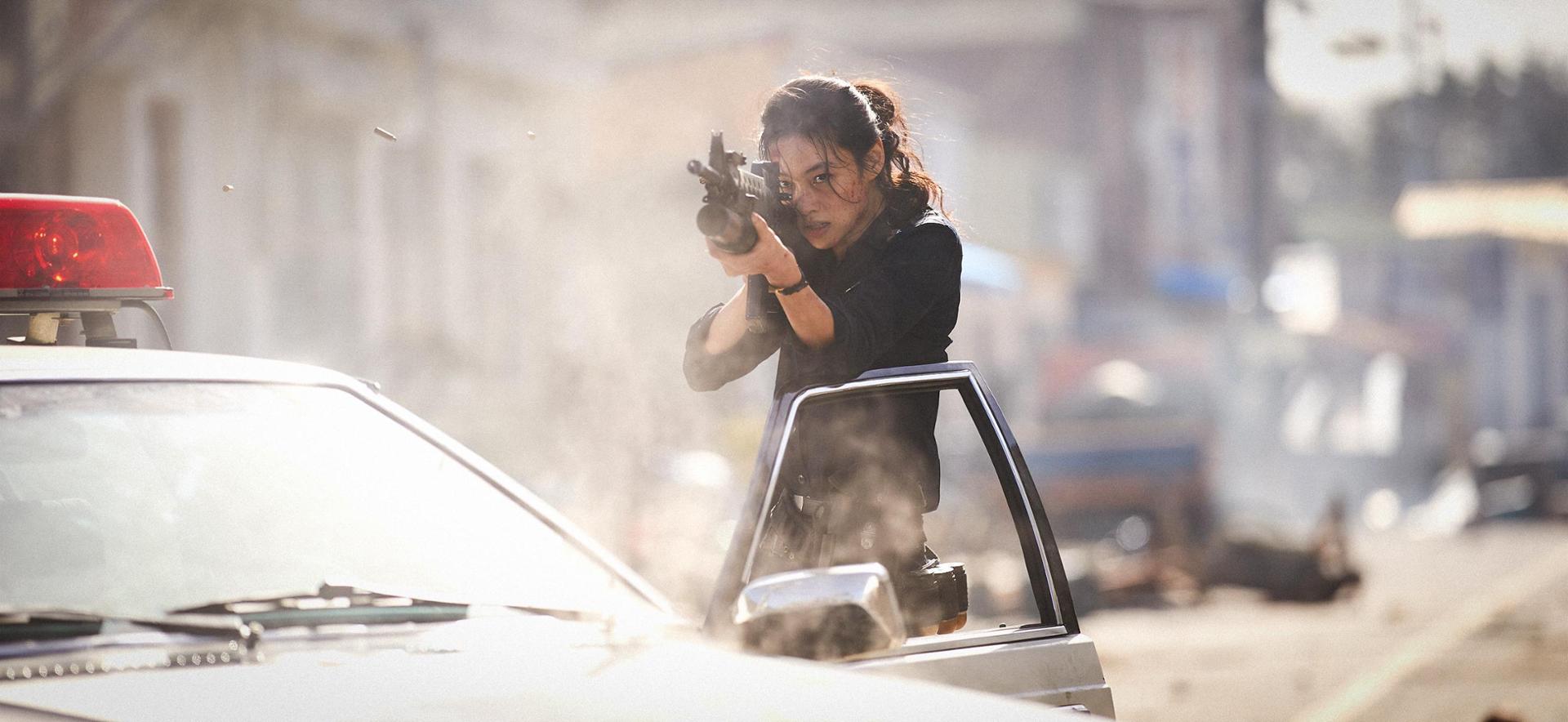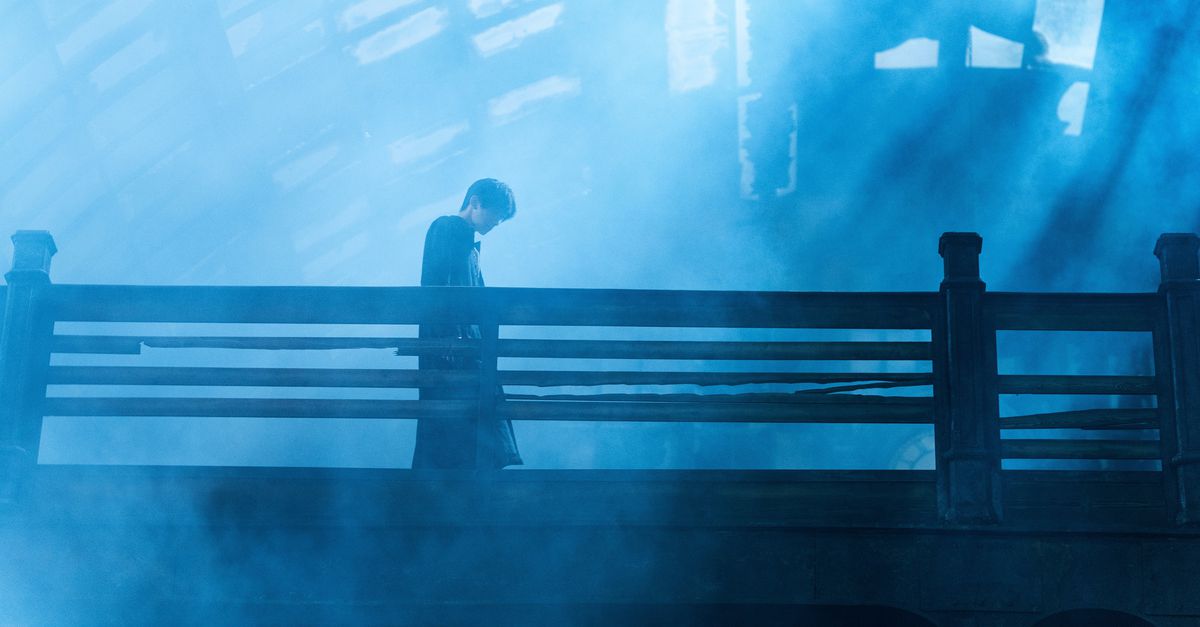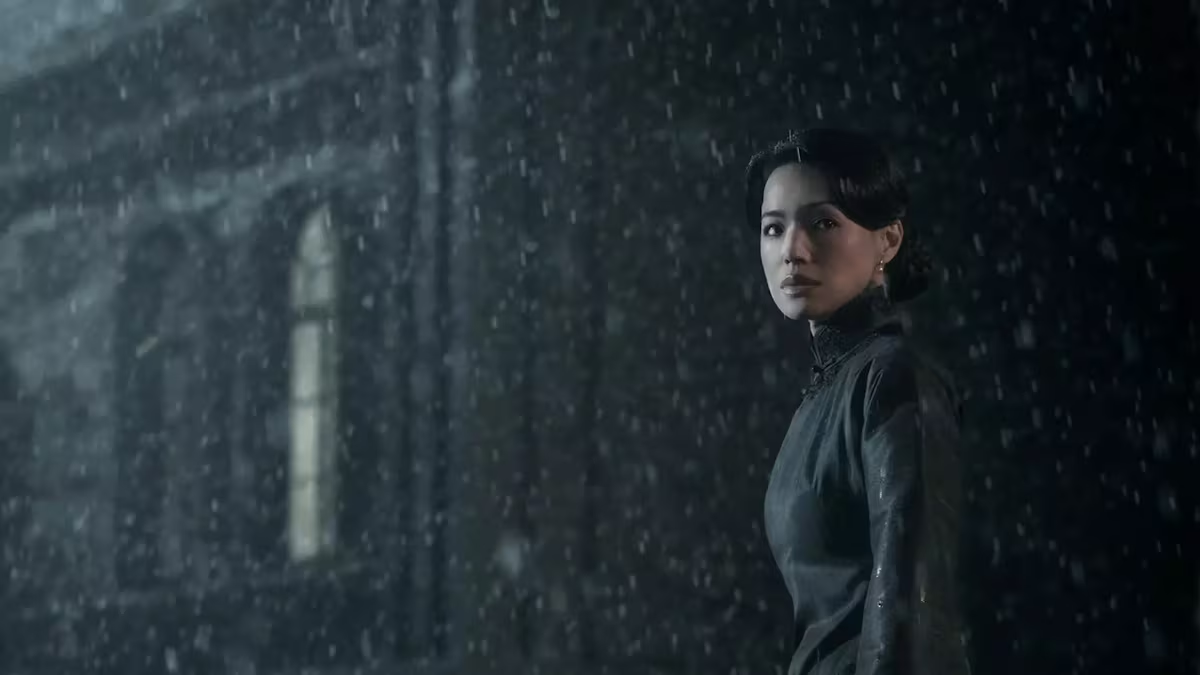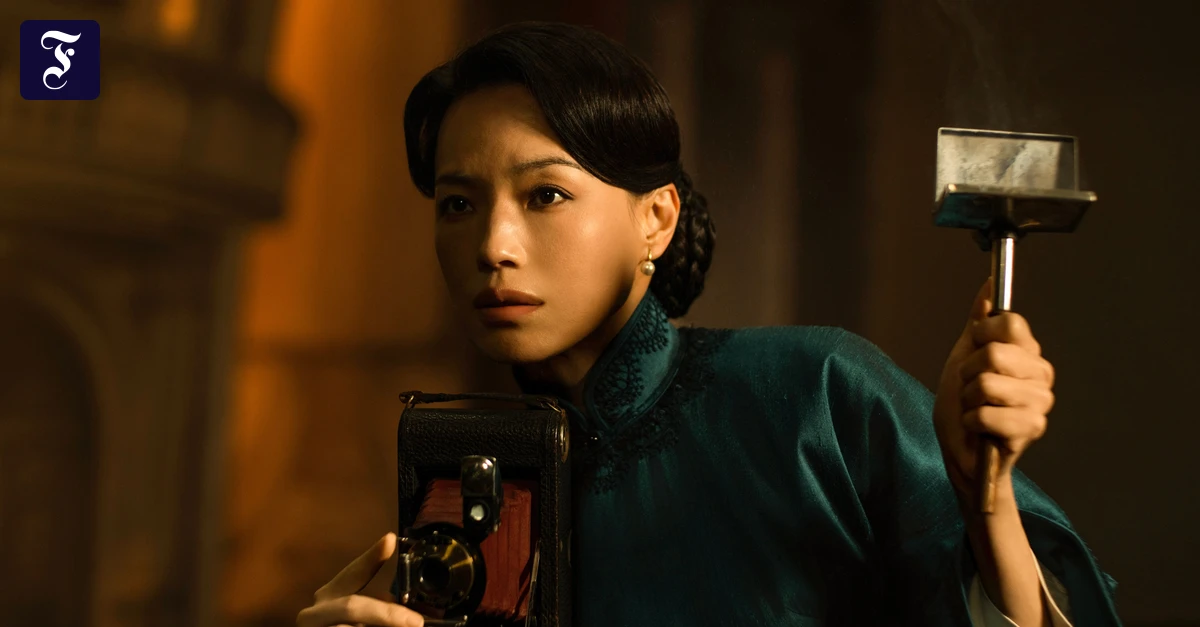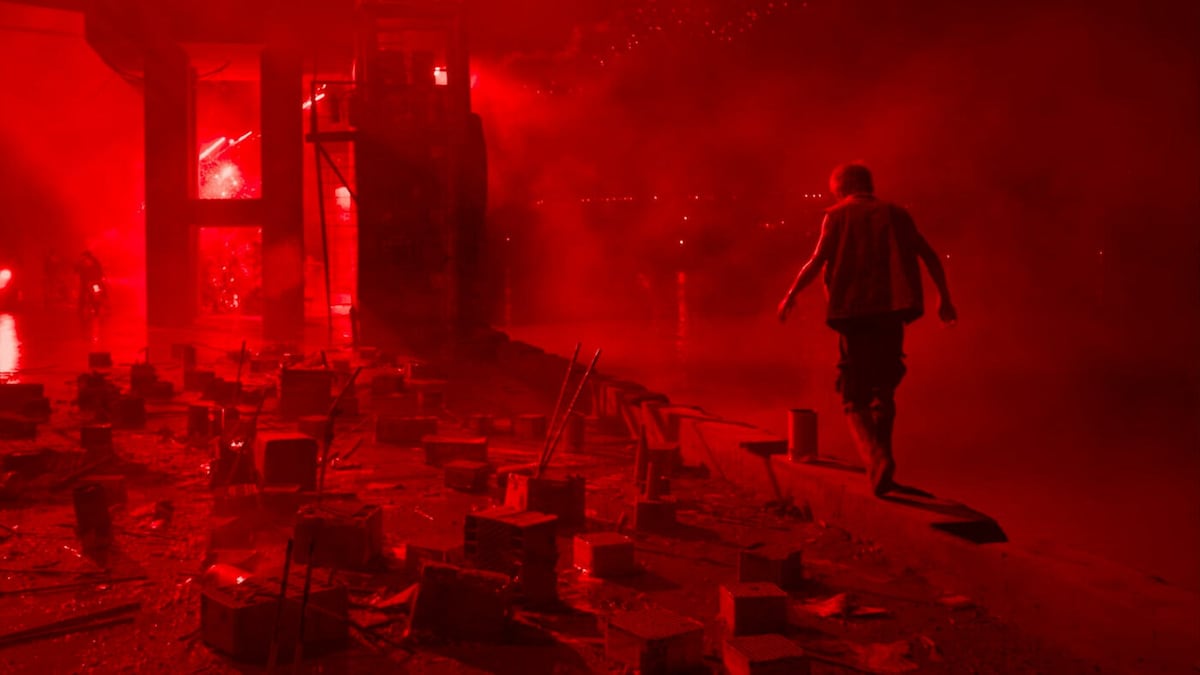
Every cinephile eventually acquires one unreleased film that gradually metastasises from giddy anticipation into their entire personality. Long before I watched Bi Gan’s Resurrection, I had already become insufferable enough about finally getting to watch it for the people around me to start rooting against my quest out of sheer self-preservation.Ever since it premiered in competition at the 2025 Cannes Film Festival, where it emerged with the Prix Spécial and immediately triggered a cycle of critics attempting to explain that they had witnessed either the future of cinema or two and a half hours of beautifully organised delirium, I became spectacularly unbearable to everyone within conversational distance. Every Indian film festival announcement soon turned into an exercise in self-inflicted optimism. Surely somebody, somewhere, would smuggle one of the year’s most feverishly anticipated works onto a screen within travelling distance? And surprisingly enough, they did. But as fate would have it, my ability to miss every conceivable screening was undefeated. Now, nearly a year since its premiere, Resurrection has finally surfaced on Prime Video, bringing one of my longest-running acts of cinematic yearning to a decidedly less glamorous, but no less welcome, conclusion.All that anticipation exists for good reason, of course, because Bi Gan has assembled one of the most singular bodies of work in contemporary world cinema. The thirty-six-year-old filmmaker from China’s Guizhou province first announced himself through Kaili Blues in 2015, a debut that folded memory and geography into a dreamy, forty-minute travelling shot. Three years later, Long Day’s Journey Into Night expanded those ambitions into an even grander formal experiment, famously shifting into an hour-long stereoscopic take that dissolved distinctions between recollection, fantasy and physical reality with an audacity that placed Bi alongside filmmakers such as Andrei Tarkovsky and Hou Hsiao-hsien. Resurrection represents the logical culmination of those interests because it imagines the act of dreaming as cinema’s primary biological function.Resurrection (Mandarin)Director: Bi GanCast: Jackson Yee, Shu Qi, Li Gengxi, Mark Chao, Huang Jue, Chen Yongzhong, Zhang ZhijianRuntime: 159 minutesStoryline: Set in a future where humanity has given up dreaming, a dying monster relives 100 years across four dreams, aided by a woman using the lost techniques of cinemaThat premise sounds intimidating when reduced to synopsis, but rest assured, Bi Gan still presents it with subtlety before disappearing into abstraction. In the film, humanity has discovered the secret to immortality by abandoning dreams altogether, exchanging imagination for indefinite existence. A handful of dissidents, however, continue to dream despite knowing every dream consumes their lifespan, becoming hunted figures called Deliriants whose continued existence threatens the order of this supposedly perfected civilisation. Jackson Yee plays one such Deliriant, introduced beneath layers of German Expressionist monster prosthesis, carrying an entire projector embedded inside his body. Shu Qi appears opposite him as a mysterious woman tasked with retrieving him from his dream state, but compassion gradually replaces obligation when she discovers that allowing him one final journey through memory constitutes the only merciful death available.What follows divides itself into six movements organised around the six senses recognised within Buddhist philosophy: sight, hearing, taste, smell, touch and finally mind, with each chapter adopting the cinematic vocabulary of a different historical period while following the Deliriant through another incarnation across a century of imagined lives. Bi Gan could easily have allowed this conceit to collapse into a cinephilic scavenger hunt, but he recruits cinematographer Dong Jingsong, production designers Liu Qiang and Tu Nan, editor Qin Yanan and the French electronic group M83 to construct something considerably more beguiling. Just when you think you’ve reverse-engineered how a particular sequence could exist, Bi Gan casually burns the blueprint and moves on to another impossibility. Watching it eventually became an exercise in accepting that he clearly has access to a version of filmmaking the rest of the industry simply hasn’t unlocked yet.The opening movement embraces silent cinema with astonishing fidelity as the Deliriant lurks inside an opium den-like, forgotten studio backlot. Intertitles replace spoken dialogue, paper-cut silhouettes wander through deliberately artificial sets, stop-motion transitions interrupt physical continuity, reverse photography bends movement into uncanny rhythms, and exaggerated painted shadows recall The Cabinet of Dr. Caligari. Every visible trick — whether it's stagehands casually trespassing into the frame or painted backdrops gliding into place — reminds us that cinema has always been an elaborate game of confidence, carrying forward Georges Méliès’ delight in convincing audiences to admire the mechanics as much as the miracle.
‘Resurrection’ movie review: Bi Gan’s ouroborosian odyssey through cinema is unlike anything else this decade
‘Resurrection’ movie review: Few filmmakers understand cinema as completely as Bi Gan, whose staggering new epic devours a century of film history before dreaming it back into existence as something thrillingly new
1,750 words~8 min read