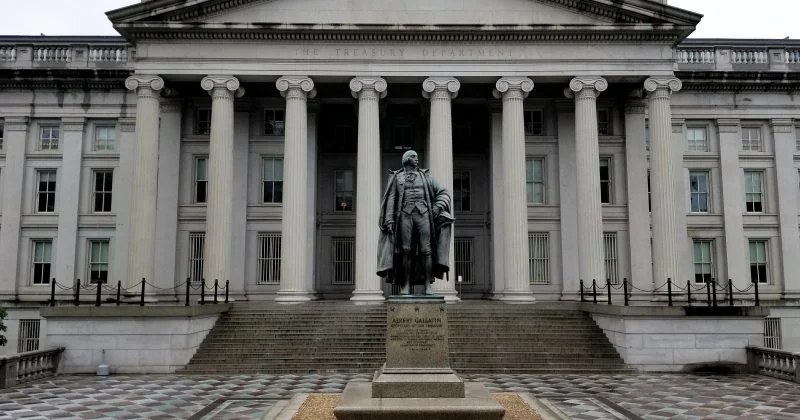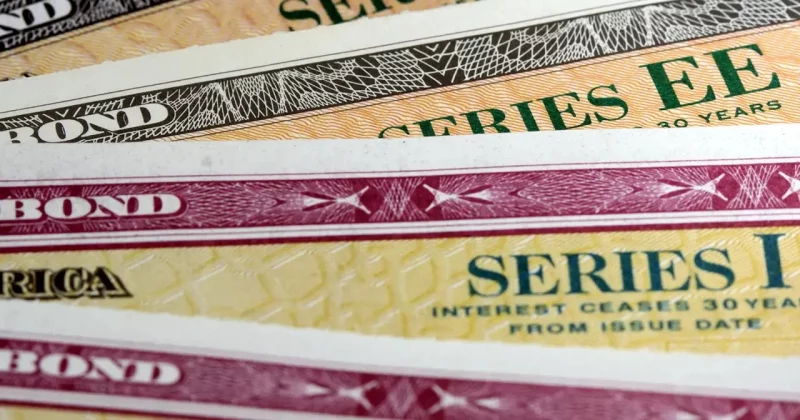
The US Treasury just moved $52 billion in 52-week bills on July 7, and the results landed right where the market expected: a high yield in the neighborhood of 3.86% to 3.94%, with plenty of buyers lining up to grab a slice. The bid-to-cover ratio came in at 3.14, meaning there were more than three dollars of demand for every dollar of bills on offer.
Only 17.61% of bids were actually awarded. That’s not a crisis, that’s a popularity contest.
Inside the auction numbers
The 52-week bill sold at a rate of 3.86%, while the high investment rate stretched as high as 3.94%. These figures aligned closely with secondary-market yields on the same day, which hovered around 3.94% to 3.95%. The auction was announced on July 2, executed on July 7, with settlement on July 9. These bills mature on July 8, 2027, giving buyers a clean one-year hold at a rate that still rounds to roughly 4%.
A bid-to-cover ratio of 3.14 is worth unpacking. This metric measures total bids submitted against the amount actually sold. Anything above 2.0 is generally considered healthy. Anything above 3.0 suggests robust demand from across the spectrum: primary dealers, direct bidders, and indirect bidders (a category that typically includes foreign central banks and large institutional investors).