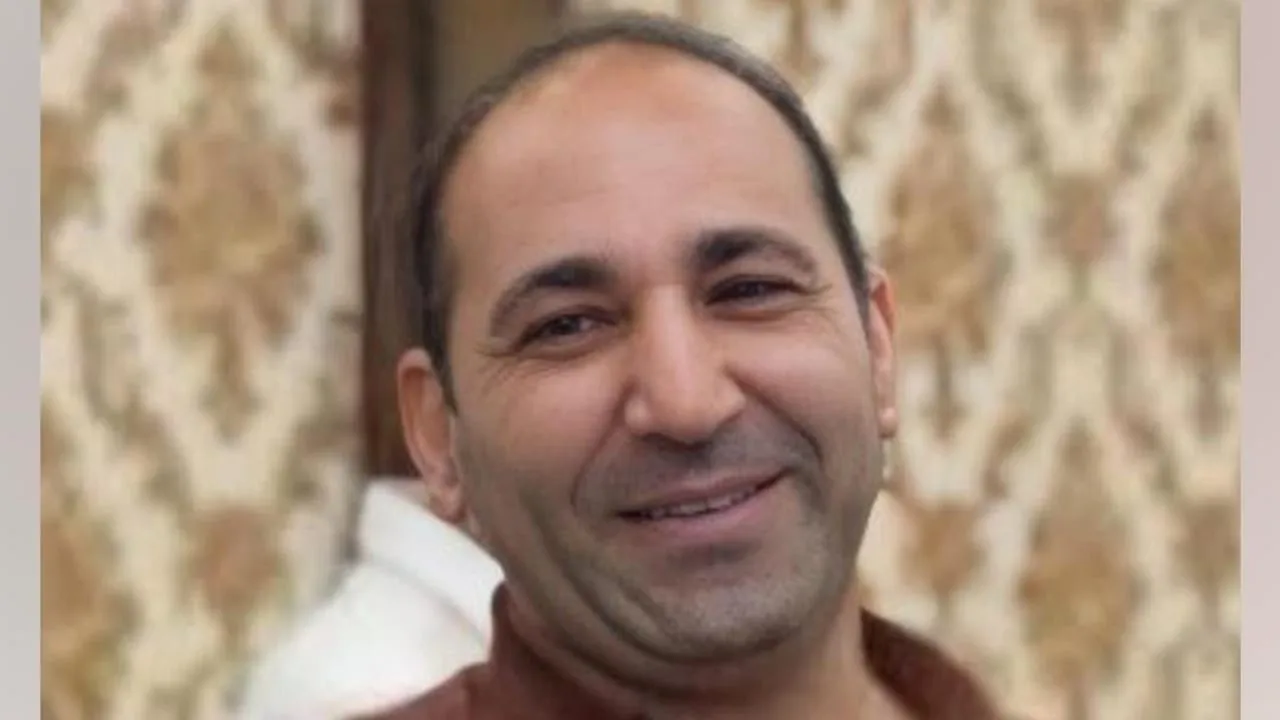
A framed photograph of Soran Mansournia’s younger brother, Borhan, sits on a bookshelf in his office in the Dutch city of Groningen. The picture was taken in Iran’s Kurdistan province in August 2019; Borhan is seen smiling and surrounded by trees. Three months later, the 28-year-old was shot dead while standing next to Mansournia at an anti-government protest in the city of Kermanshah.
“He was a very close friend of mine—he wasn’t just a brother,” Mansournia said of Borhan. “We knew every detail of each other’s lives.”
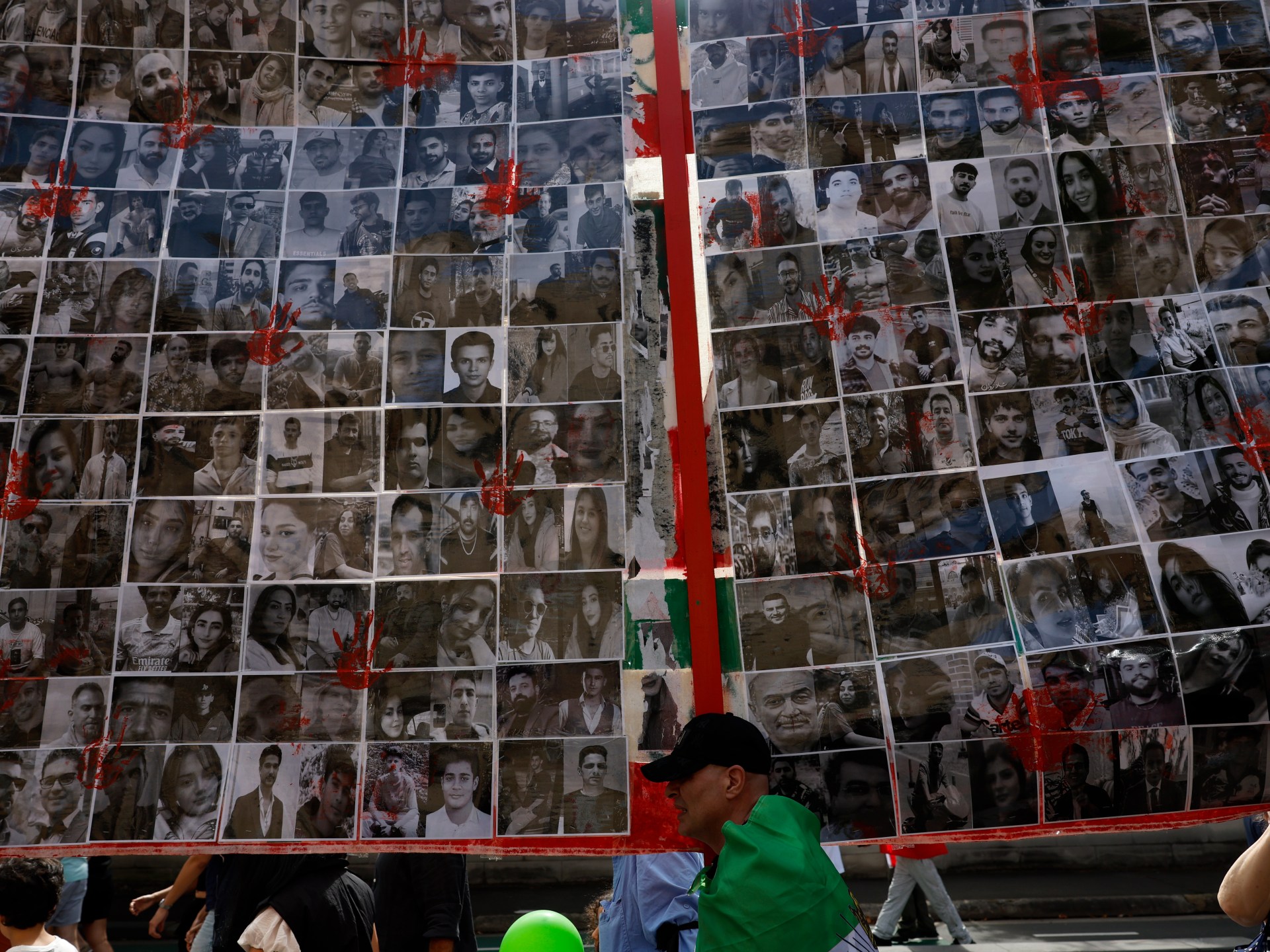
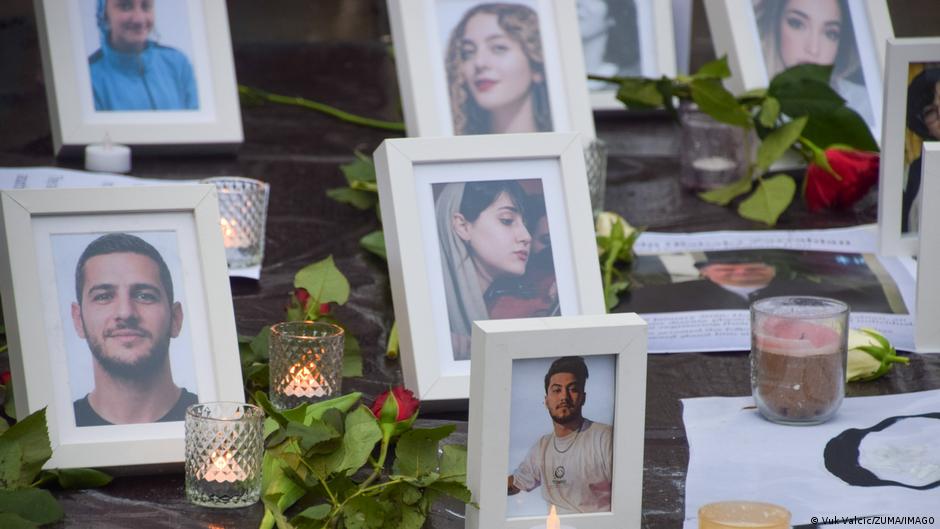
Iranian security forces are alleged to have killed at least 323 people in a nationwide crackdown over five days in November 2019, according to an investigation by Amnesty International and the Hertie School. The protests began after the government announced significant fuel price increases, but they quickly turned into a broader expression of discontent with the regime.
After Borhan’s death, Mansournia says he was interrogated 24 times by the Islamic Revolutionary Guard Corps (IRGC), the elite military organization that reports directly to Iran’s supreme leader. In 2021, Mansournia left Iran for a job as a lecturer at the University of Groningen. He continued his activism for human rights in Iran from abroad, regularly posting on social media and speaking at rallies.