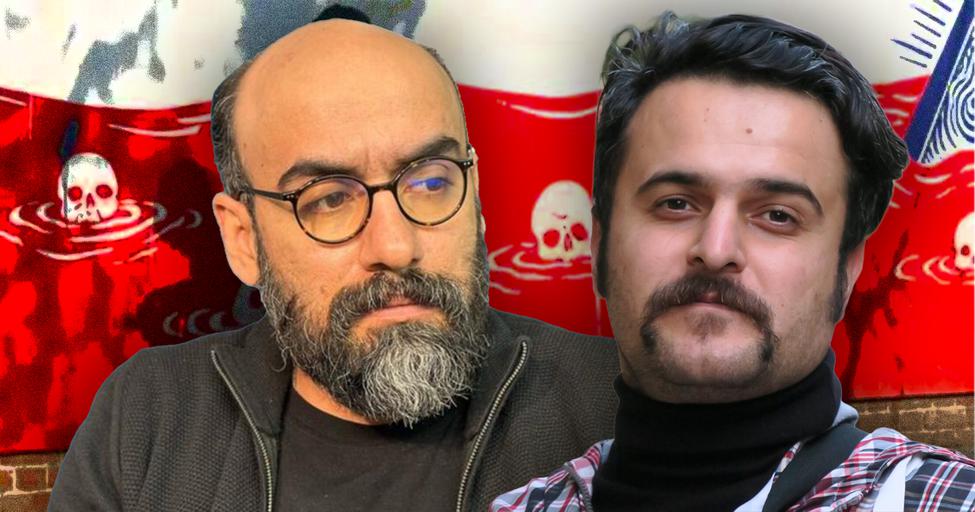
One day after a ceasefire was announced in the war between Iran, the United States, and Israel, Soran Mansournia received a direct call from a phone number with a French country code. The caller threatened him openly and without hesitation. “Watch your step, because we are watching you. I am calling from the IRGC, and we will be coming after you soon.”
Mansournia, a justice-seeking activist living in the Netherlands, is the brother of Borhan Mansournia, who was killed by security forces in Kermanshah during the November 2019 protests. He left Iran roughly two years later and has lived in the Netherlands since. But the threats against him have not stopped. Instead, he says they have only grown more intense because of his continued human rights and advocacy work.
The Islamic Republic has a long history of threatening and even eliminating political opponents outside Iran, especially in Europe. Activists like Mansournia say these threats, which had already increased in recent years, rose sharply after the war involving the U.S., Israel, and Iran began.
Mr. Mansournia told IranWire that two days after the IRGC call, a friend inside Iran, “after hours of effort and testing different methods,” managed to use a VPN to send him screenshots from the domestic Iranian messaging app Bale. The screenshots showed his personal information being circulated in “security channels” linked to the Islamic Republic. The leaked details included his current phone number, his old Iranian number, his Telegram ID, and even his parents’ residential address.