The Debate | Opinion | East Asia
The conventional tools previously used to penalize China for its rights abuses – sanctions, public pressure, condemnation, institutional mechanisms, and more – have all been blunted.
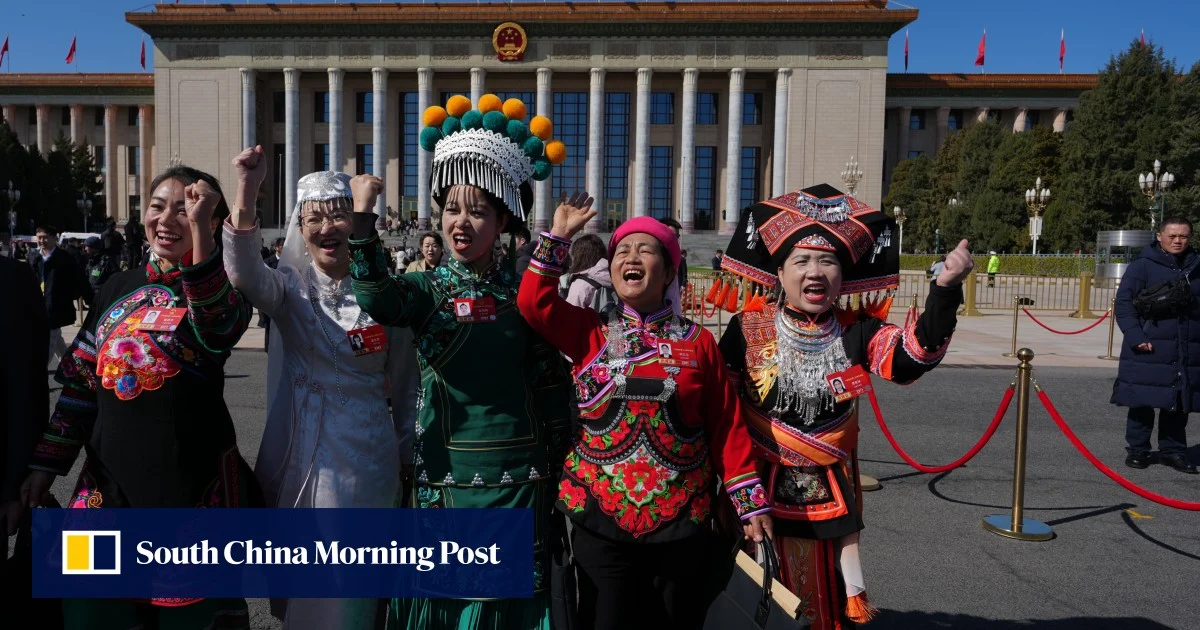
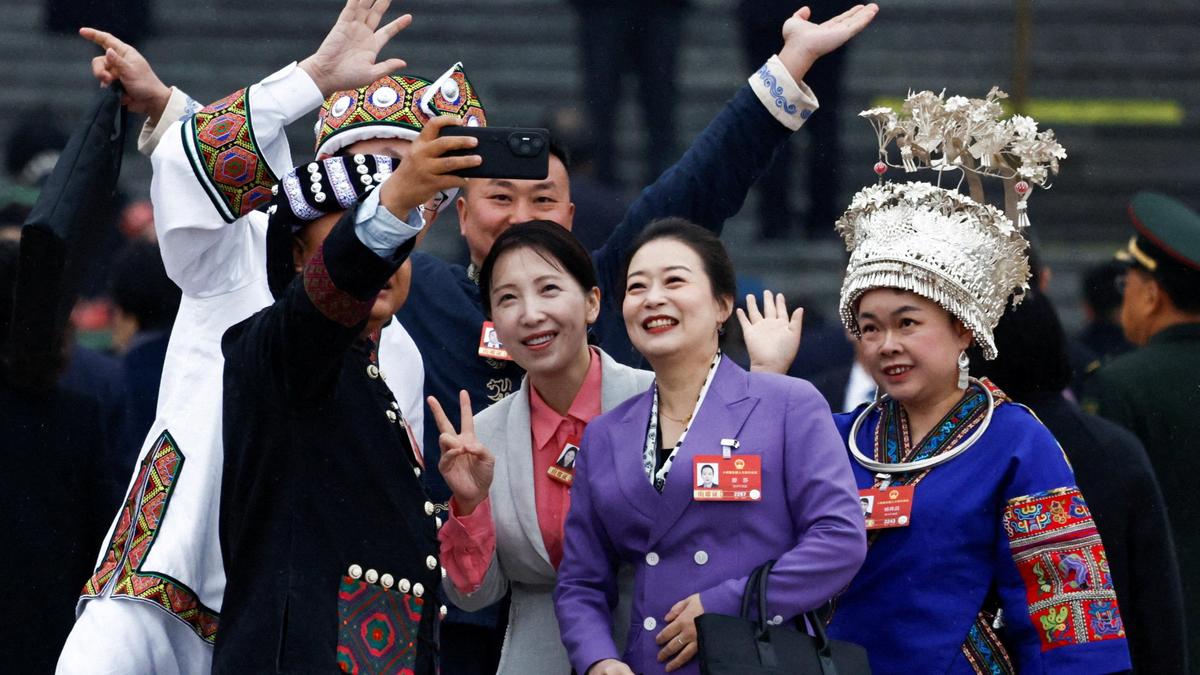
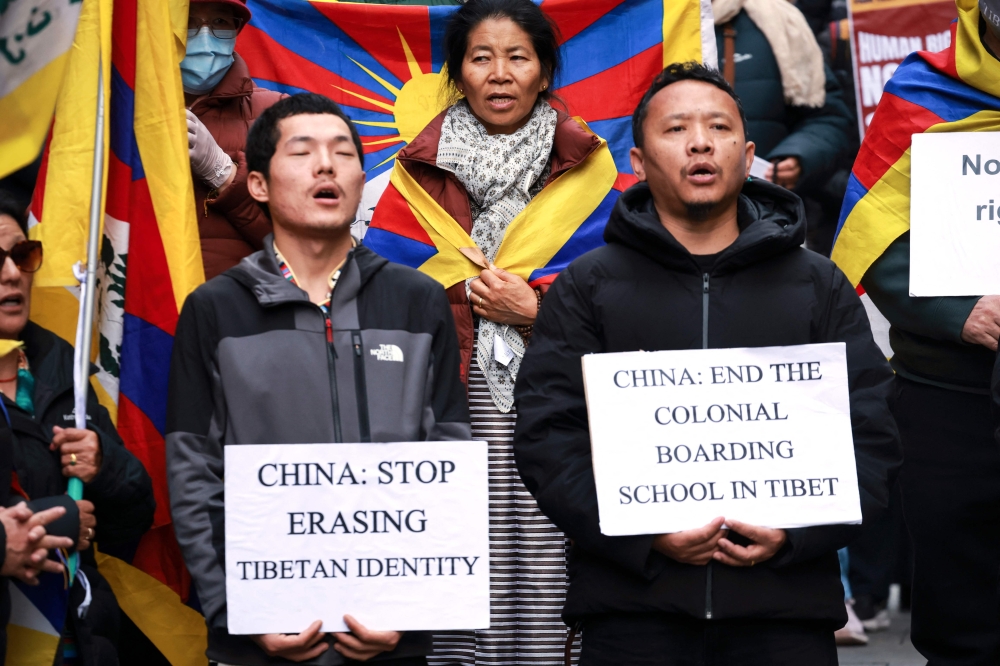
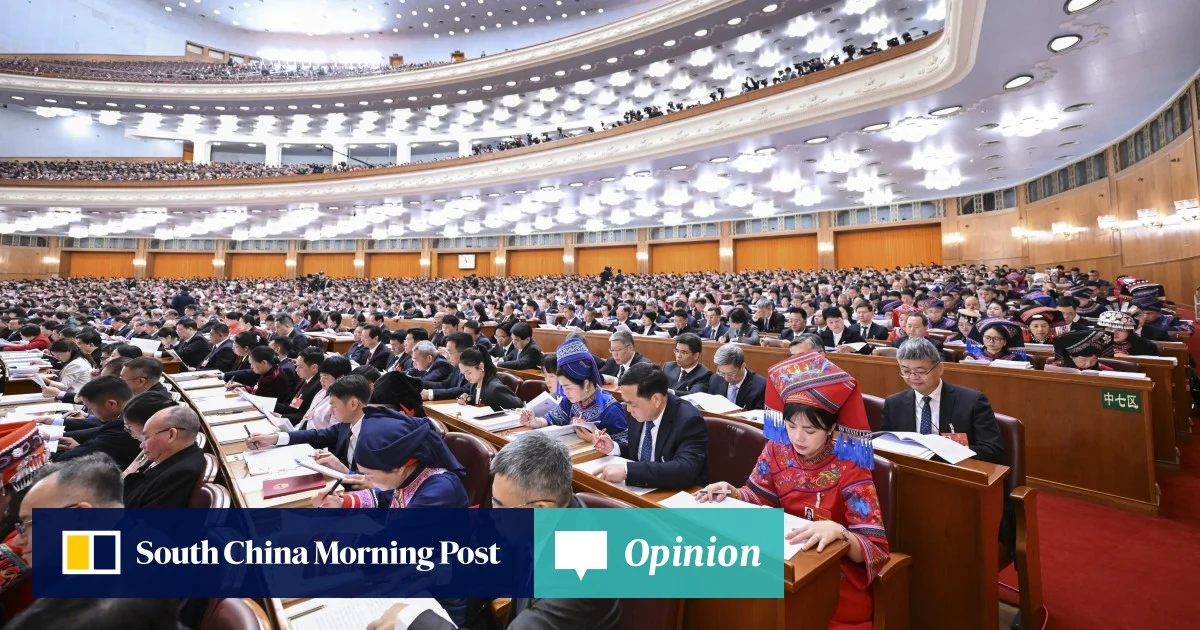
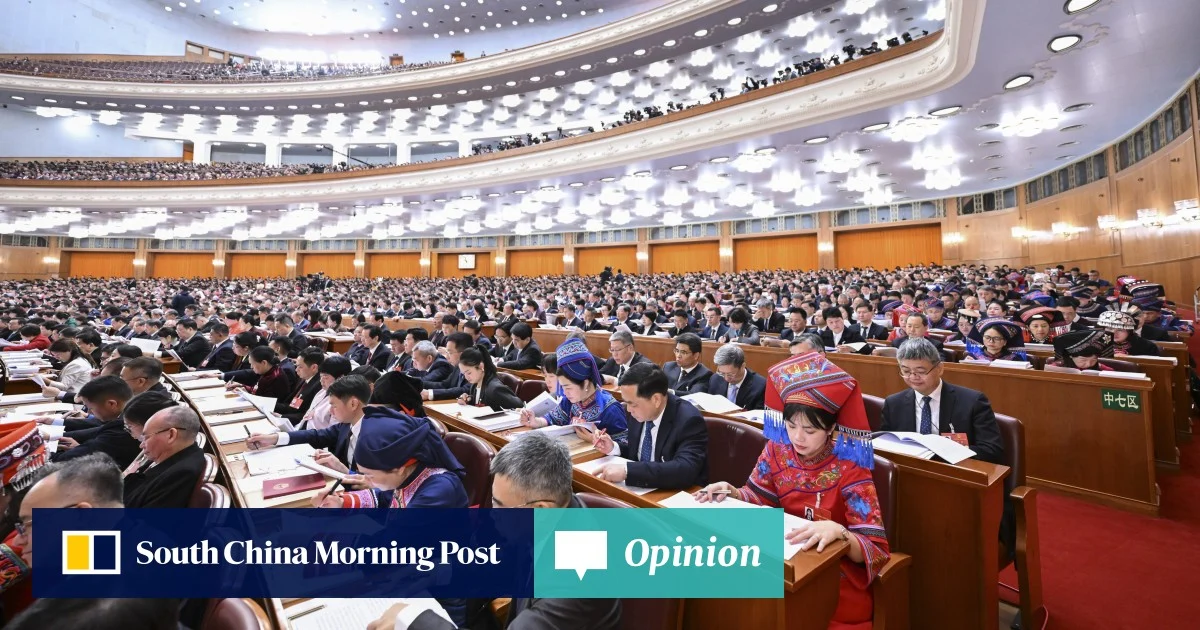
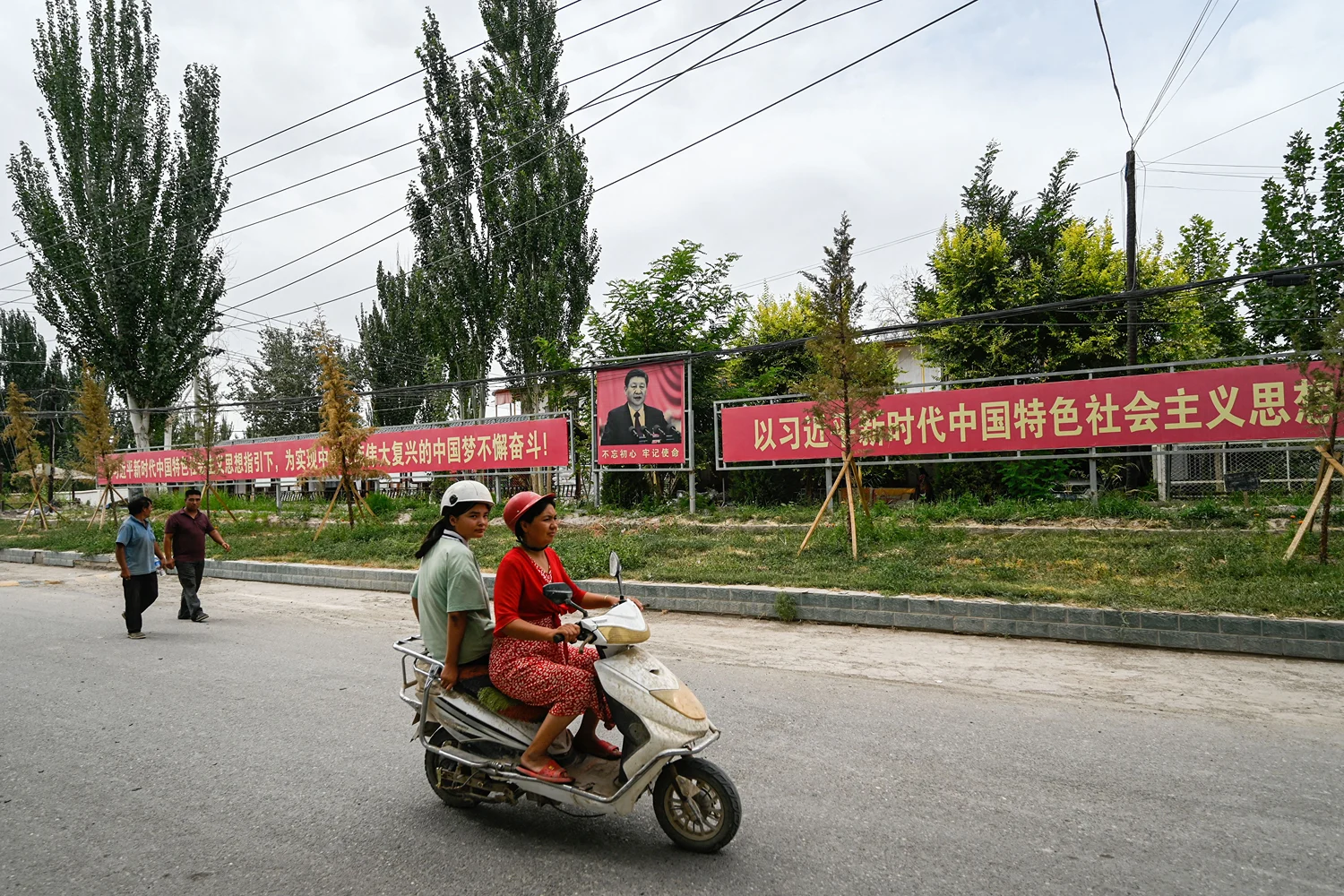
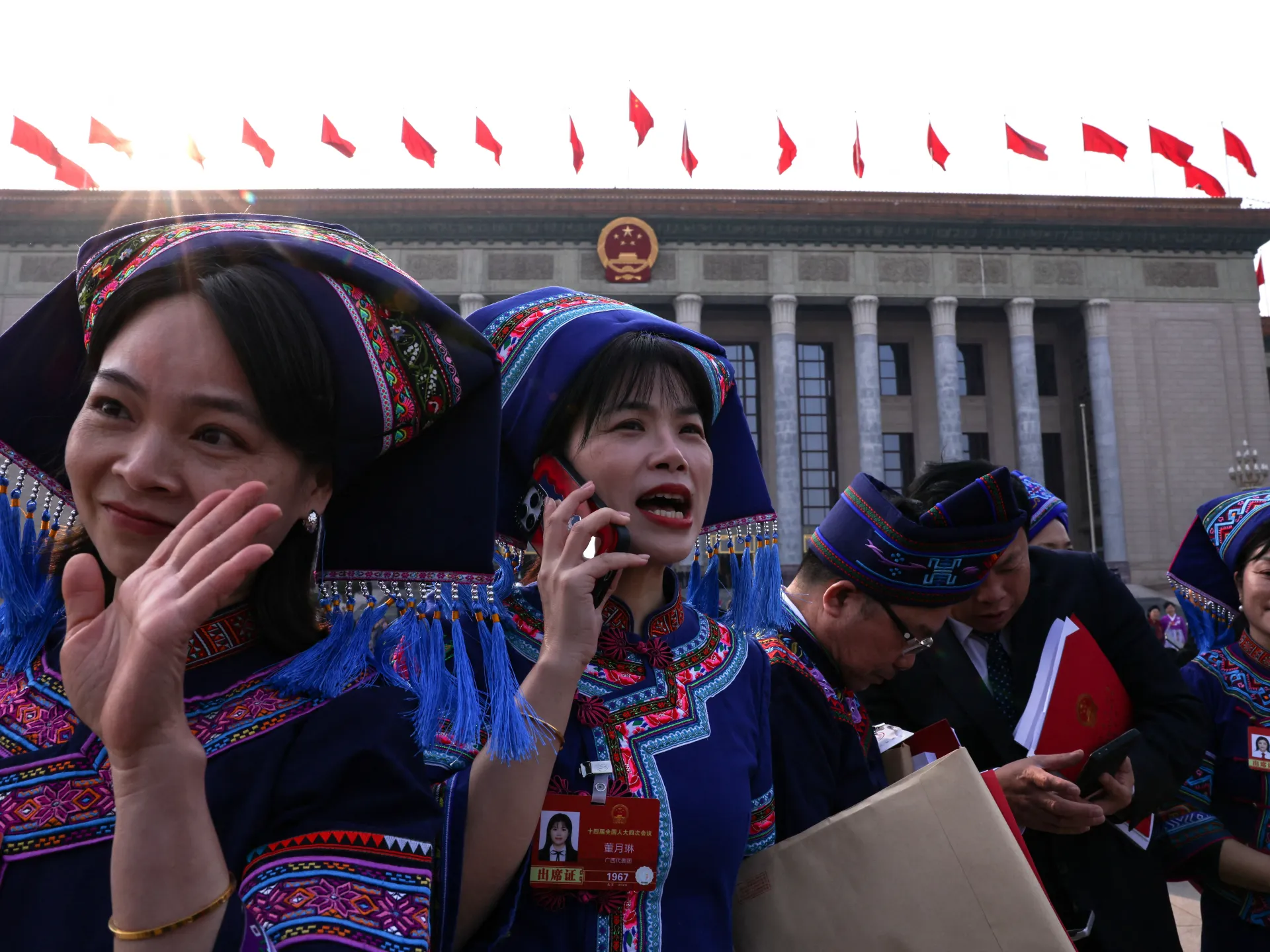
A draconian new law in China took effect on July 1, after passing the National People’s Congress back in March. The “Law on Promoting Ethnic Unity and Progress” is the end result of a long shift in governance of China’s minority groups, 55 in total. Far from the post-1949 model of ethnic autonomy, as this new legal framework attempts to “forge” (zhulao) the country’s many distinct peoples into a collective national identity. Southeast Asia has seen this before, evidenced in Thailand’s vague Thainess policy (khwam pen thai), a fascist effort under military strongman Phibun Songkhram.
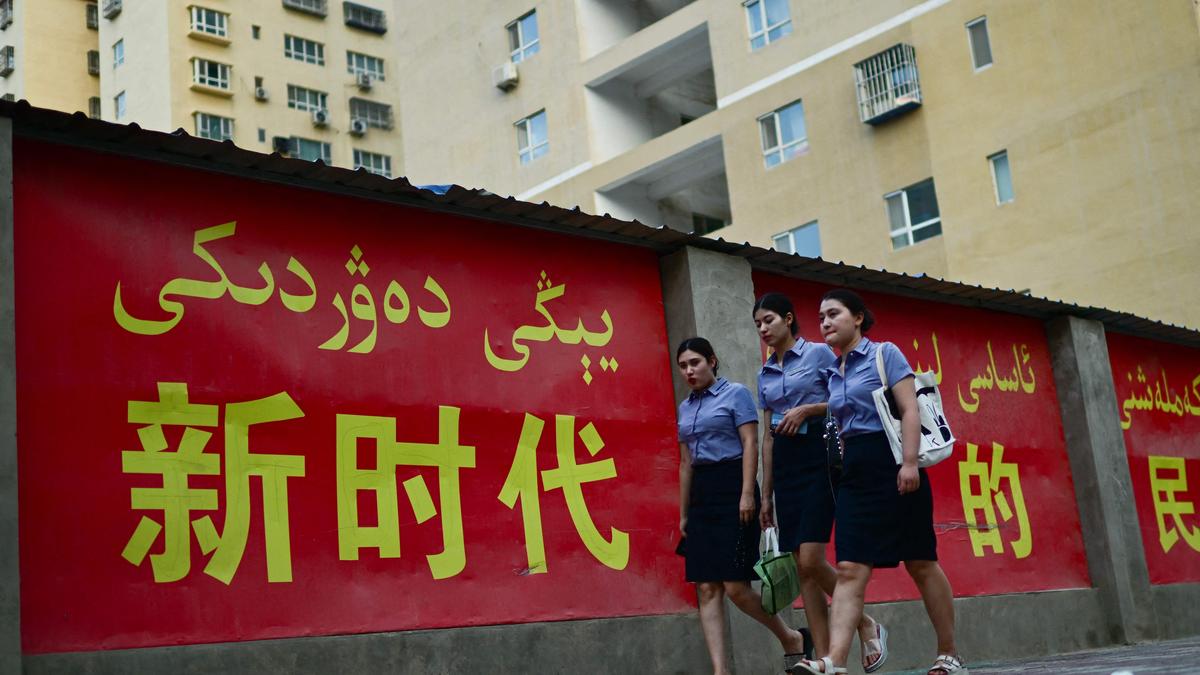
Beijing’s new law forces schools, families, religious organizations and bodies, the media, and its military to promote this new identity, mandating Mandarin language instruction and giving Chinese script legal priority over minority scripts in public signage. Further, it criminalizes parental instruction deemed harmful to unity and extends legal accountability to organizations and individuals outside China’s borders, a further extension of China’s transnational repression efforts.