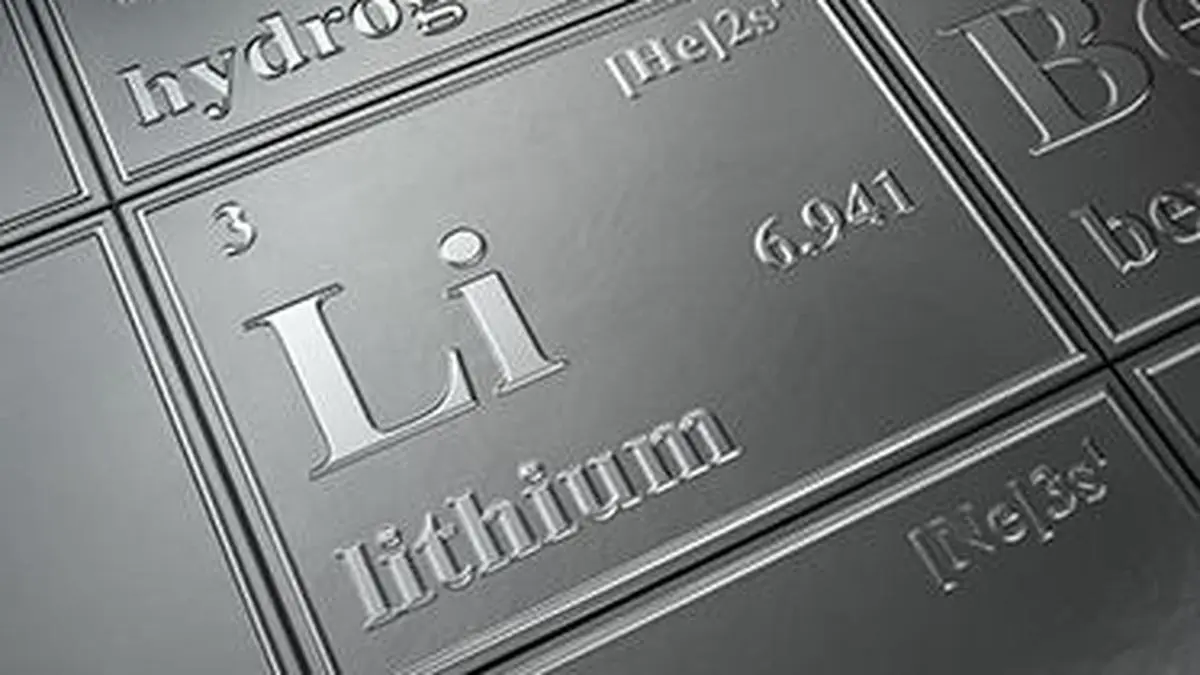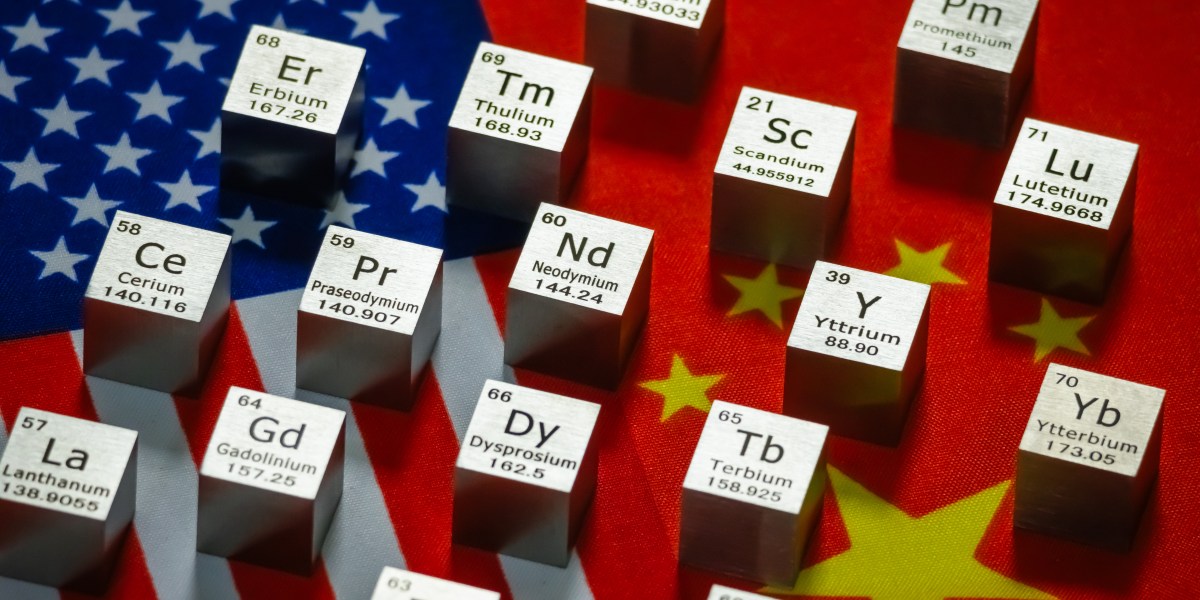
The global debate surrounding critical minerals – and the geopolitical race to secure access to these materials – has thus far largely centered on a familiar group of resources. In recent years, rare earths, graphite, and lithium have arguably become synonymous with strategic competition as governments seek to diversify supply chains and reduce dependence on Chinese production.
However, this predominant focus on upstream mining risks overlooking a quieter but potentially more consequential source of geopolitical leverage. Today, strategic advantage puts a heavy emphasis on a state’s ability to control the industrial ecosystems that transform those minerals into indispensable technologies. A lesser-known example is the fluorine economy.
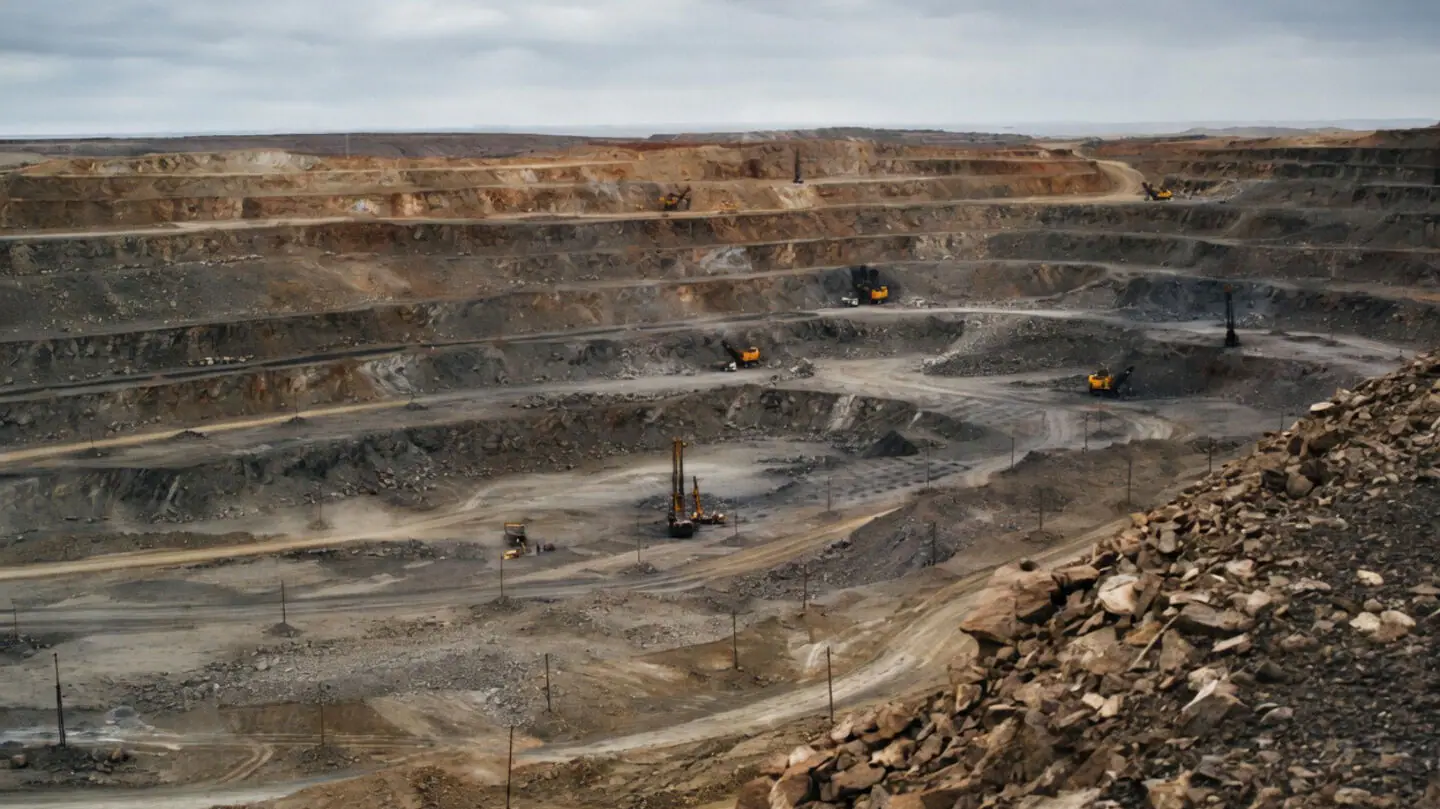
Although fluorite is often regarded as a relatively obscure industrial mineral, its strategic importance lies in the fluorine chemicals and compounds it derives. Fluorite is the primary precursor for many industrial compounds and chemicals, including fluorine and fluorine chemicals. As an indispensable raw material, fluorite is the bedrock of an extensive range of advanced applications, from metallurgical processing and electric vehicle batteries to aerospace engineering, nuclear energy production, and semiconductor manufacturing. Almost every high-tech industry crucial to economic and national security is underpinned by fluorine-derived materials.