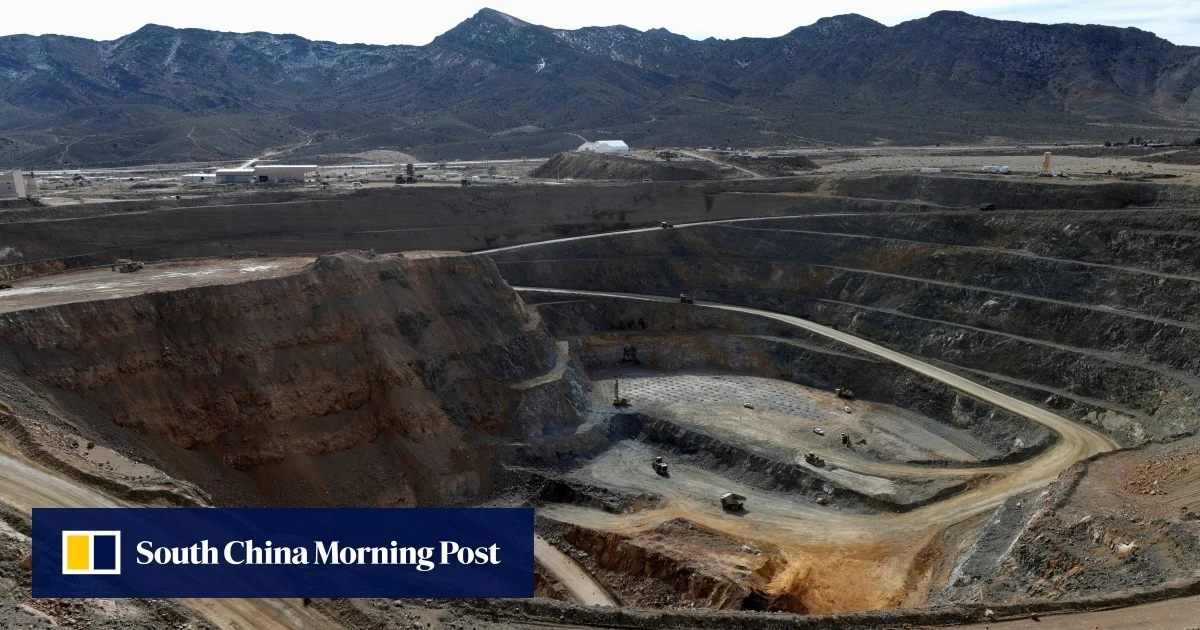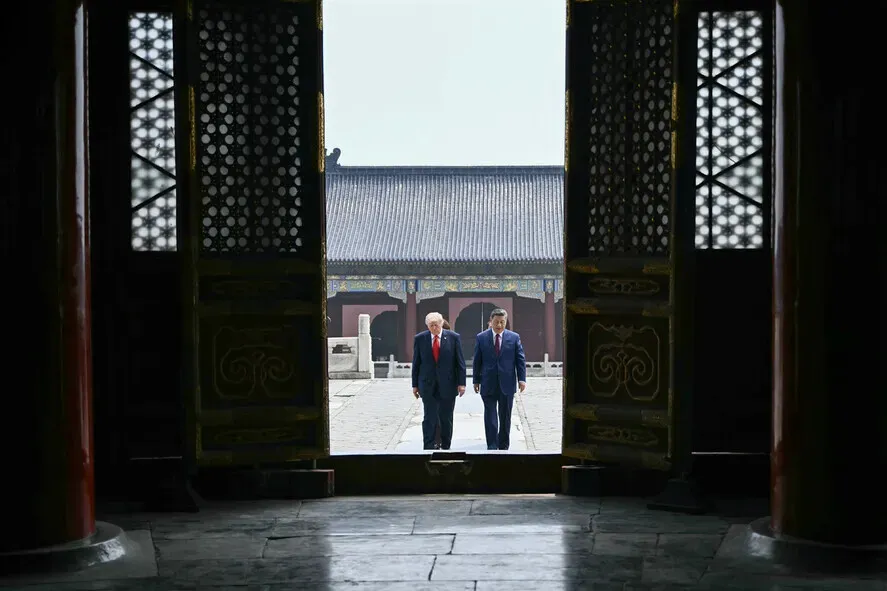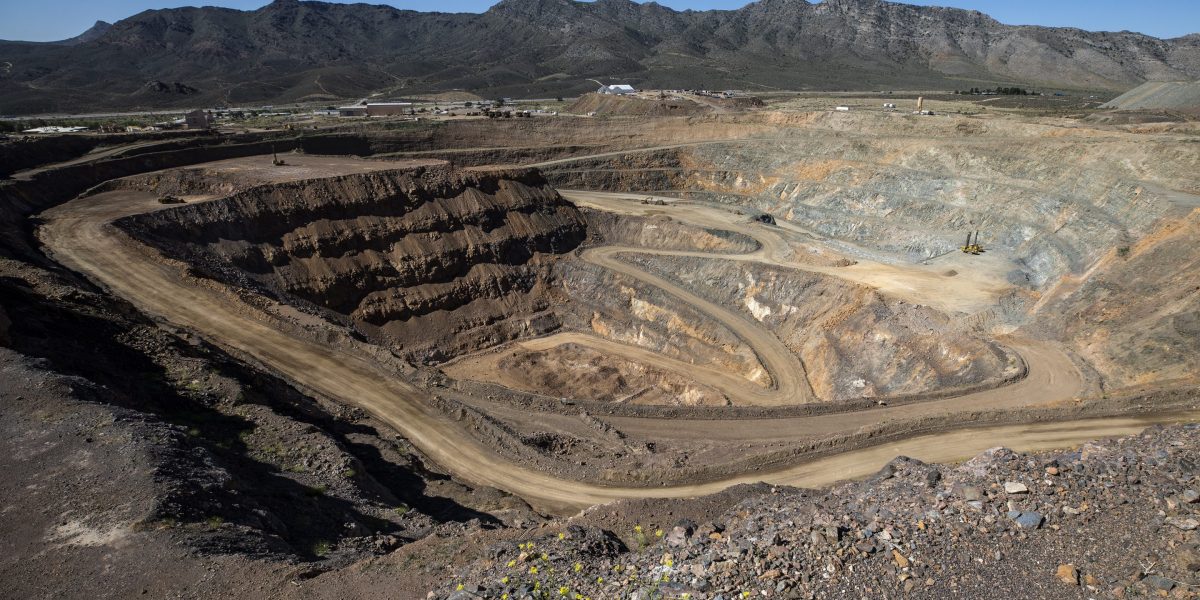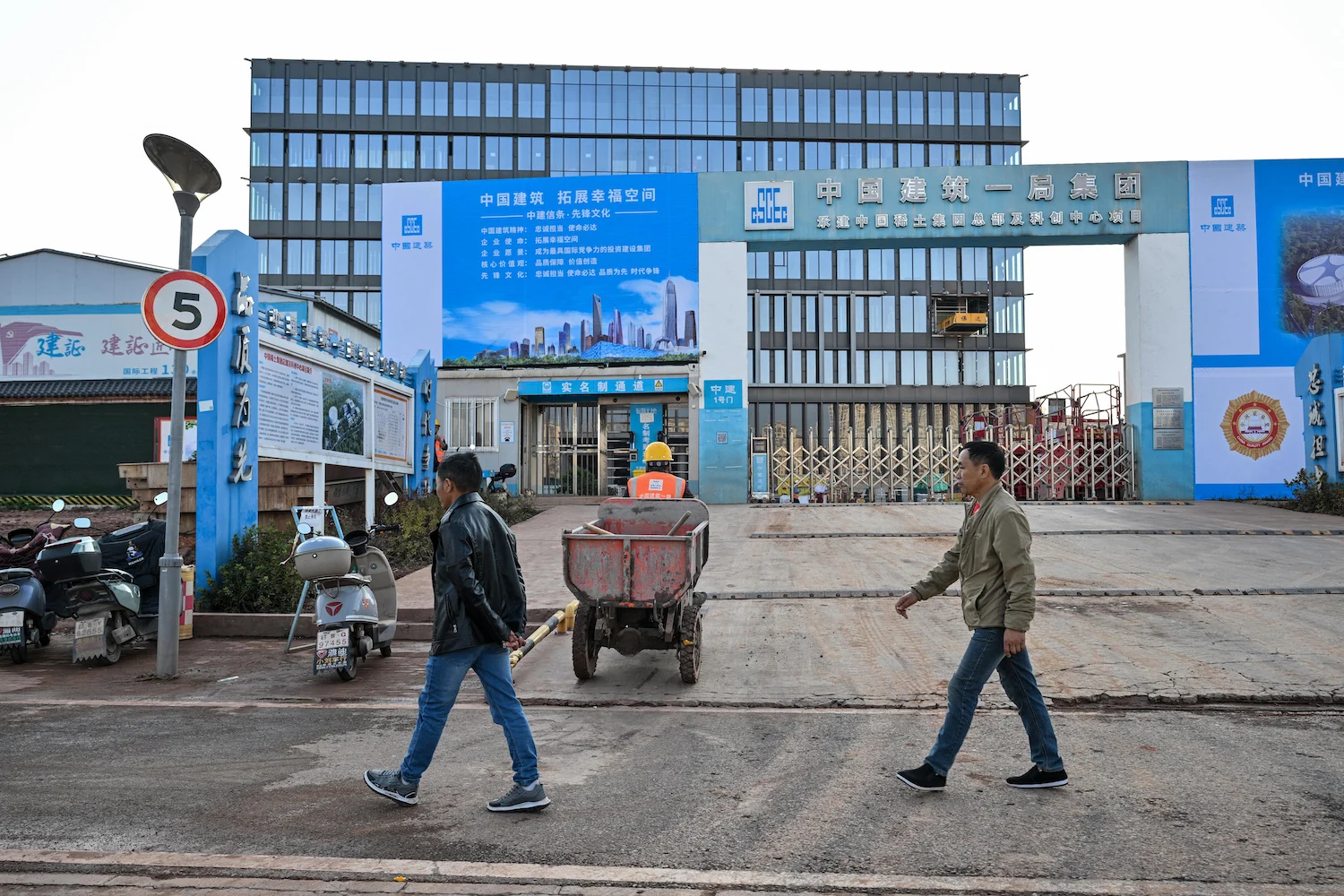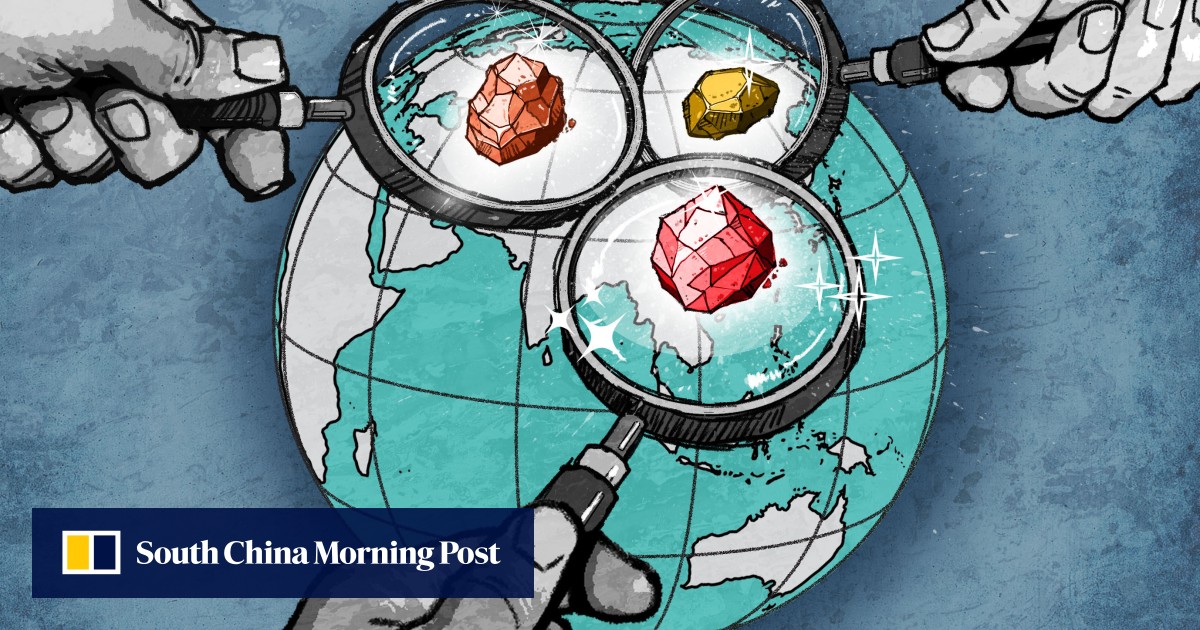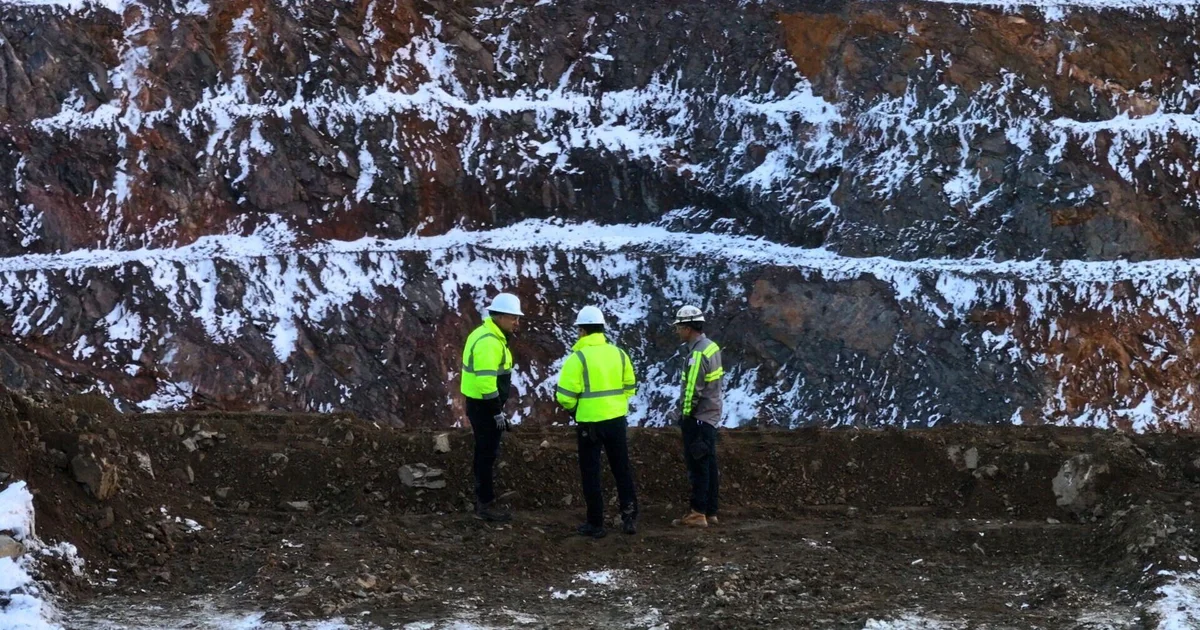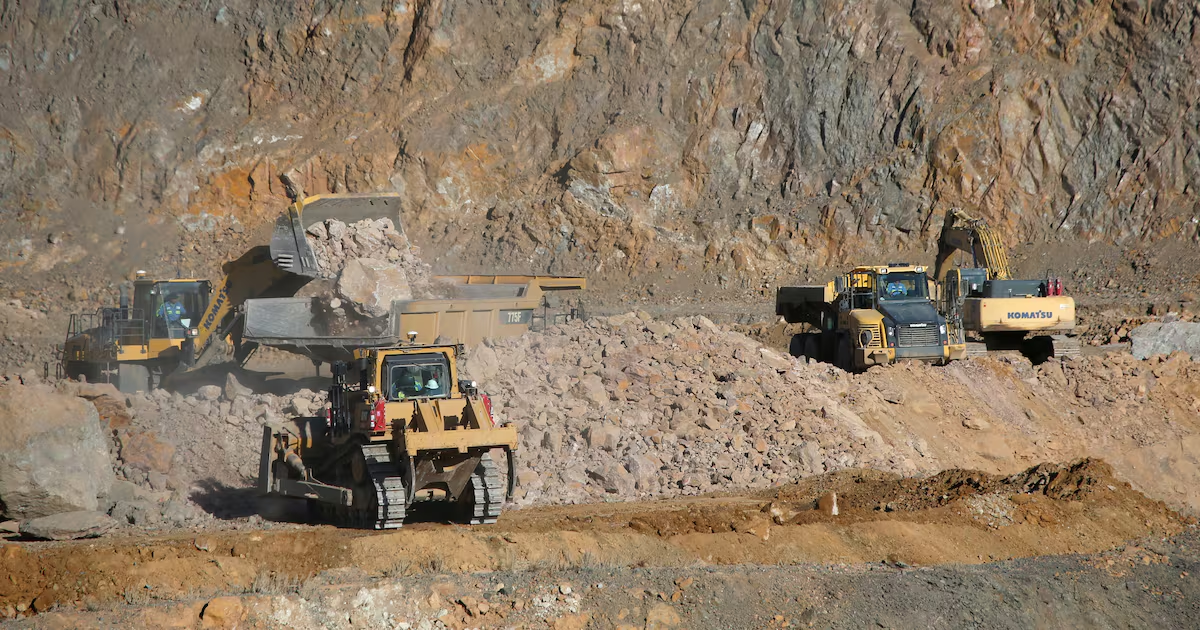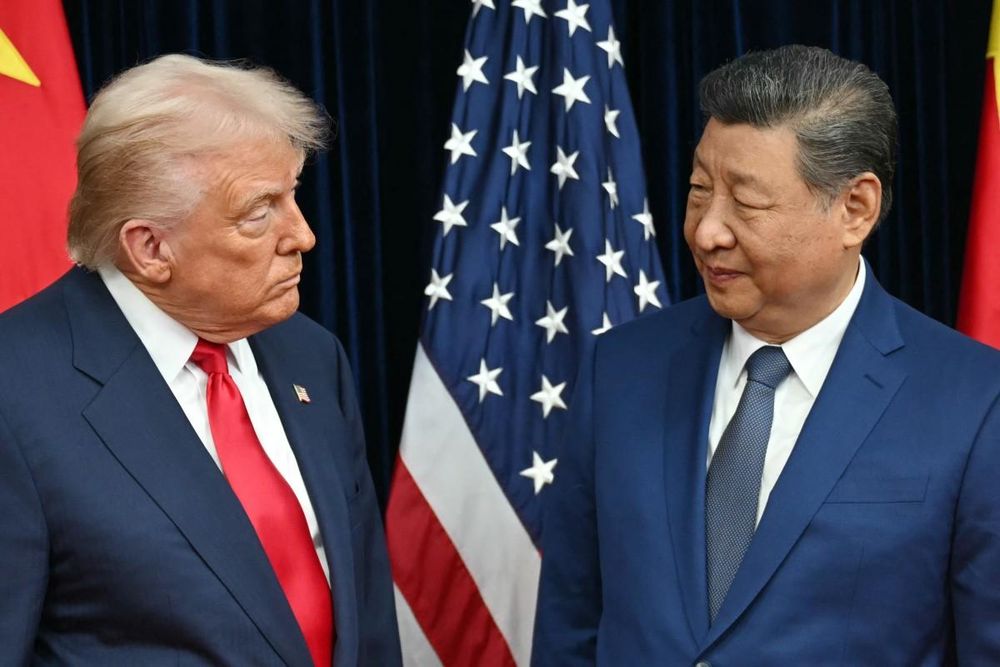
Rare earths are increasingly becoming strategic assets in an increasingly contested global technological landscape. The writer argues that, over the past several years, both the US and China governments, led by President Donald Trump (left) and President Xi Jinping, have identified technological leadership as a central component of national power.
For much of the past decade, discussions surrounding China's rare earth policies have focused on their potential as an economic weapon. Whenever Beijing imposed export restrictions or signalled tighter controls, attention quickly turned to the prospect of supply disruptions for American manufacturers and defence contractors. While these concerns are not unfounded, they risk obscuring the broader strategic reasoning behind China's approach.
Beijing's rare earth strategy is not primarily about inflicting immediate economic pain on the United States. Rather, it is part of a wider effort to convert China's dominance in critical mineral supply chains into long-term leverage within the technologies that will shape future economic and military power.
This distinction matters because rare earths occupy a unique position in the contemporary technology competition. Unlike tariffs or traditional trade barriers, control over critical minerals influences access to the industrial inputs required for advanced manufacturing. As the United States and China increasingly compete over semiconductors, artificial intelligence, electric vehicles, aerospace systems and defence technologies, the strategic value of rare earths extends well beyond the mining sector itself.