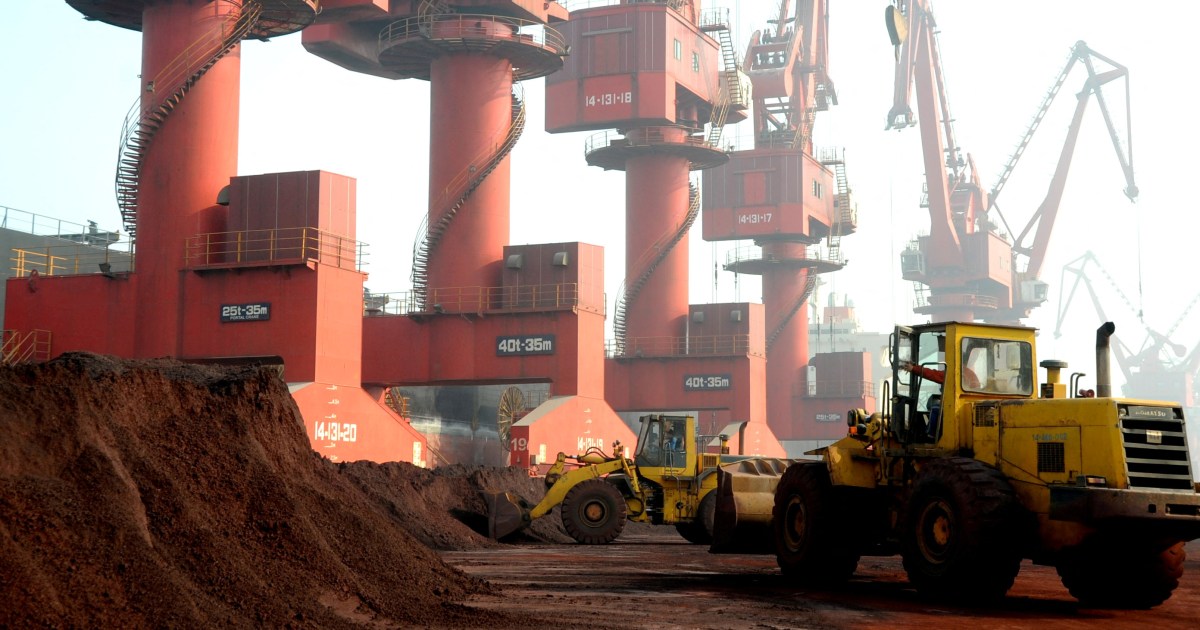
China’s near‑monopoly over rare earth processing has turned a once‑obscure corner of mining into a frontline of geopolitical competition, forcing the U.S. and its allies into a costly race to catch up.
“Clearly, China is the leader, and the U.S. is far behind,” veteran mining executive Mick McMullen told Fortune on March 10, at the sidelines of the U.S. Capital Access Forum in Singapore, organized by business advisory firm Hall Chadwick. “It’s a bit unbelievable that it’s taken so long for everyone to realize that maybe we should have some of these things in house.”
China accounts for roughly 70% of global rare earth production, but it is the country’s dominance in processing that gives Beijing real leverage. With close to 90% of the world’s rare earth refining and processing capacity, China effectively controls the flow of materials used in products ranging from electric vehicles and wind turbines to advanced semiconductors and precision‑guided munitions.
Since the 1980s, China has shelled out billions of dollars in investment and subsidies to secure its dominant position across the supply chain of rare earth metals. “China has been at this for more than 30 years,” McMullen said.
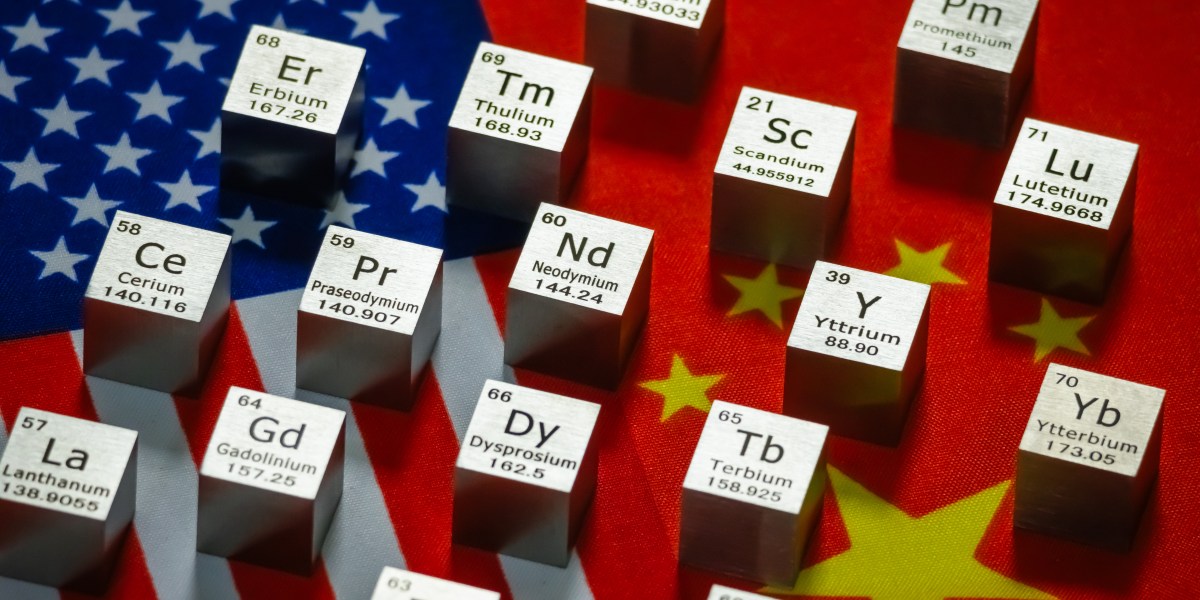
The country’s dominance of rare earth production made headlines last year after Beijing slapped export controls on several key metals in retaliation to U.S. President Donald Trump’s tariffs on China. Beijing imposed restrictions on the sale of elements like samarium, dysprosium and terbium, which are crucial for defense, electric vehicle and semiconductor industries.