In a previous post, I covered the one-pixel attack, where differential evolution finds a single pixel change that fools an image classifier. DE is effective, but it's one algorithm from a much larger family. Researchers have adapted at least five different nature-inspired optimization algorithms as black-box adversarial attacks against neural networks, and each exploits a fundamentally different search strategy.
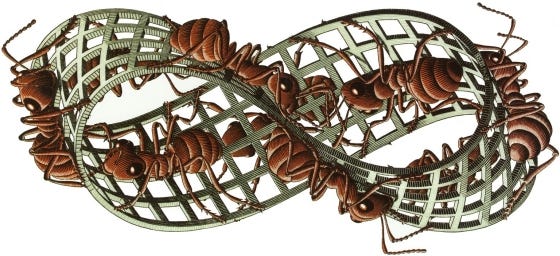
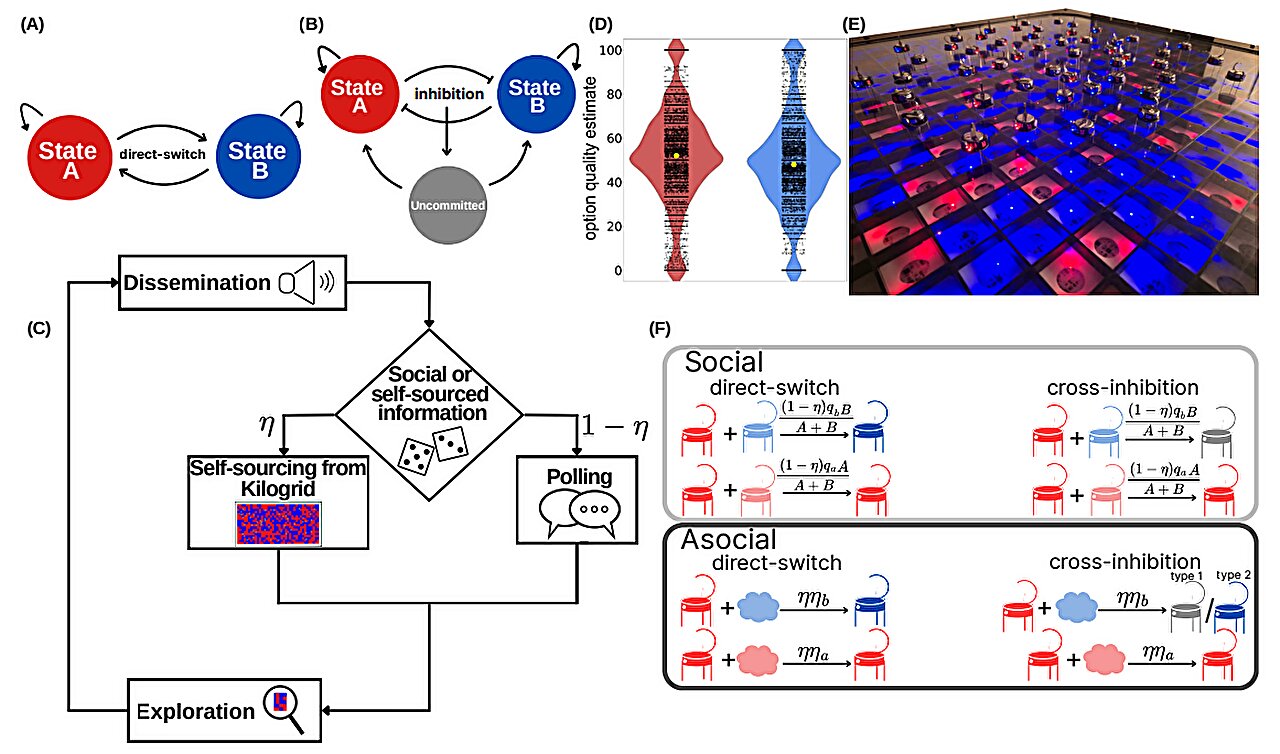
Particle swarm optimization mimics bird flocking. Artificial bee colony algorithms simulate honeybee foraging. Fish swarm algorithms model schooling behavior. Genetic algorithms follow Darwinian selection. Each produces different attack characteristics, different query costs, and different perturbation patterns. And none of them need gradients.
That last point is what makes this family of attacks practically dangerous. Most adversarial ML research focuses on gradient-based attacks like FGSM and PGD, which require white-box access to model internals. In real deployments, attackers get an API endpoint that returns a prediction. Swarm algorithms are purpose-built for exactly this constraint: optimize a function you can only evaluate, not differentiate. Nature figured out gradient-free optimization long before we built neural networks. Those same solutions now attack them.