The leap from a single self-improving AI agent to a coordinated, autonomous workforce is not a simple matter of spinning up more containers. It is a profound architectural shift. It mirrors the transition from a monolithic application to a microservices ecosystem, but with a highly complex twist: the system must dynamically rewrite its own organizational structure.
When we build advanced single-agent systems, we typically equip them with a unified memory store, a strict execution budget, and a static set of tools. The agent learns across every interaction, compressing its conversation history into persistent memory and saving its execution trajectories.
But what happens when you deploy ten of these agents to manage an entire software enterprise?
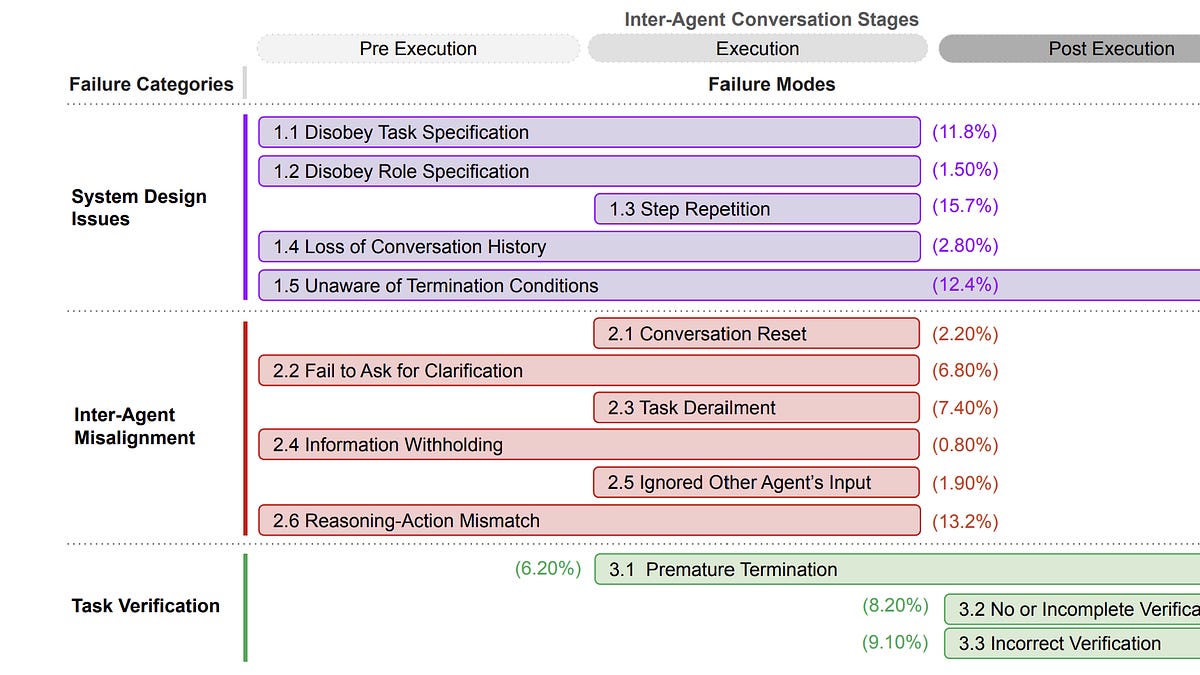
If they share a single, monolithic memory store, your DevOps agent will be flooded with irrelevant context about React component styling, while your frontend agent will drown in Kubernetes YAML. Conversely, if they operate in complete isolation, the frontend agent will never learn that the backend team changed an API endpoint signature, leading to silent, cascading integration failures.
This is the central dilemma of multi-agent engineering: specialization requires isolation, but coordination requires shared context.