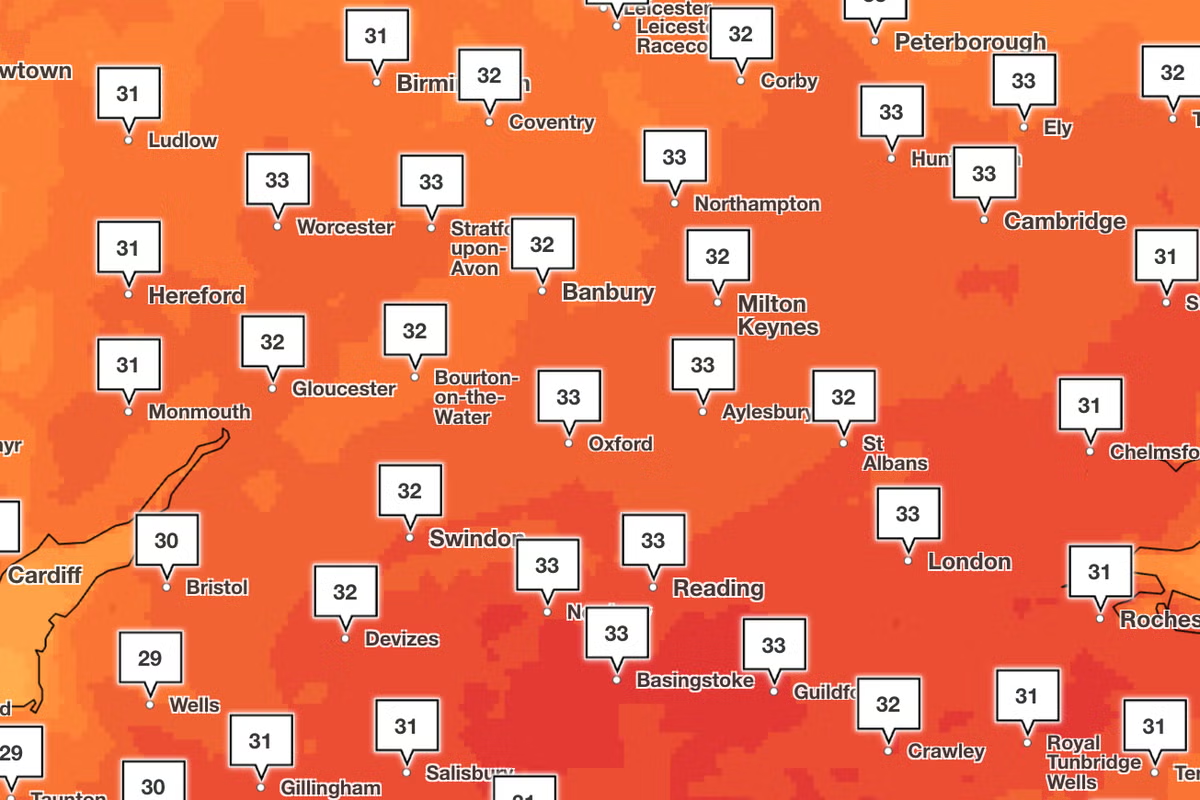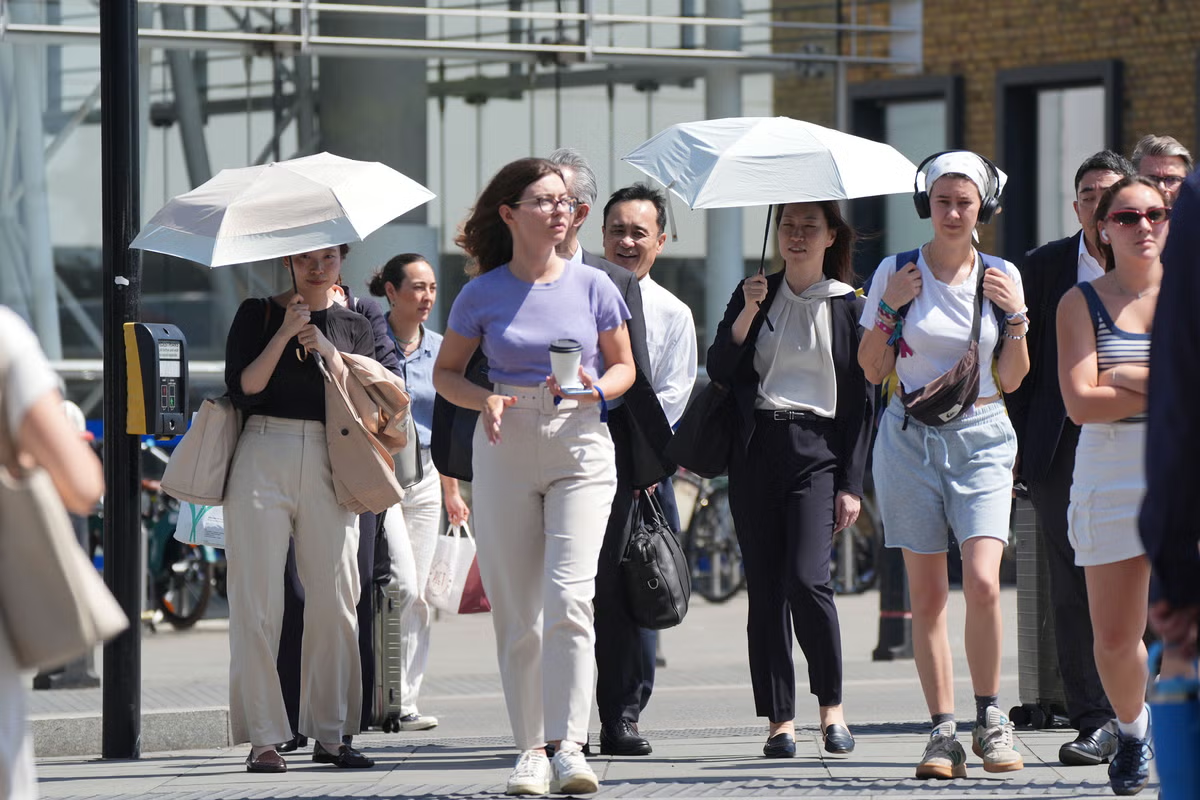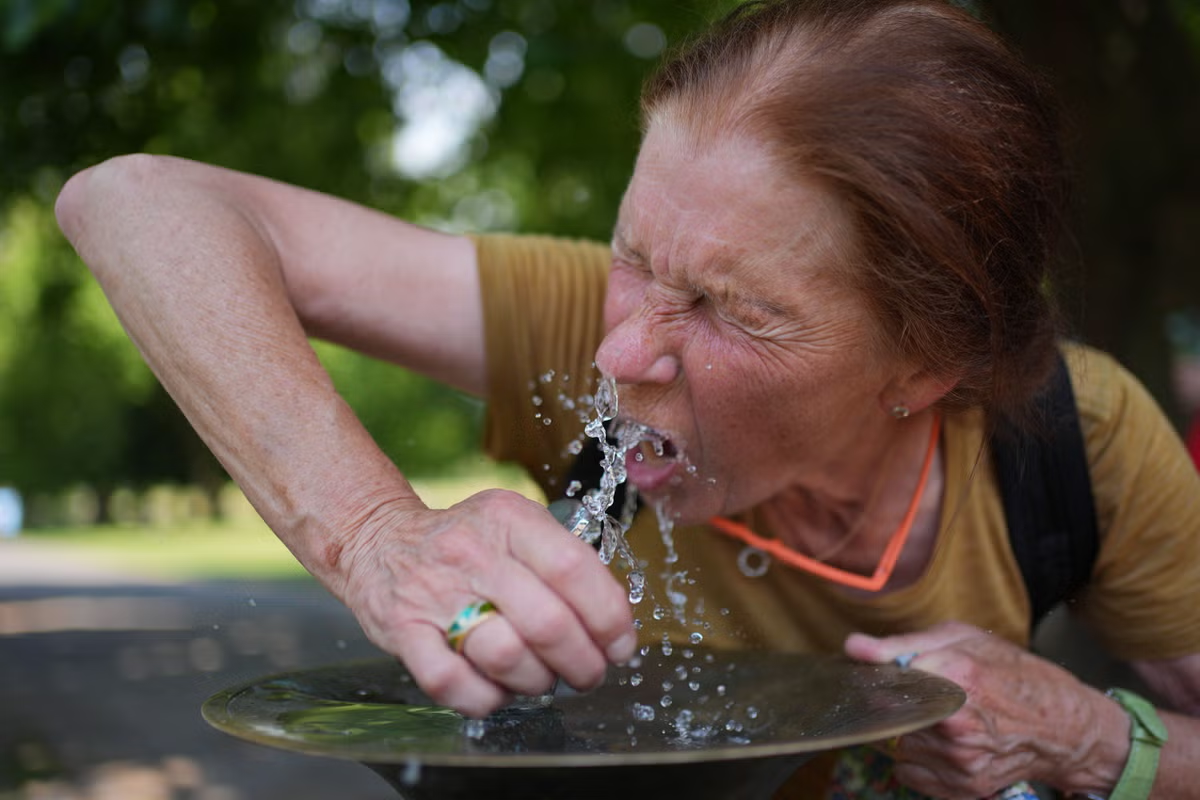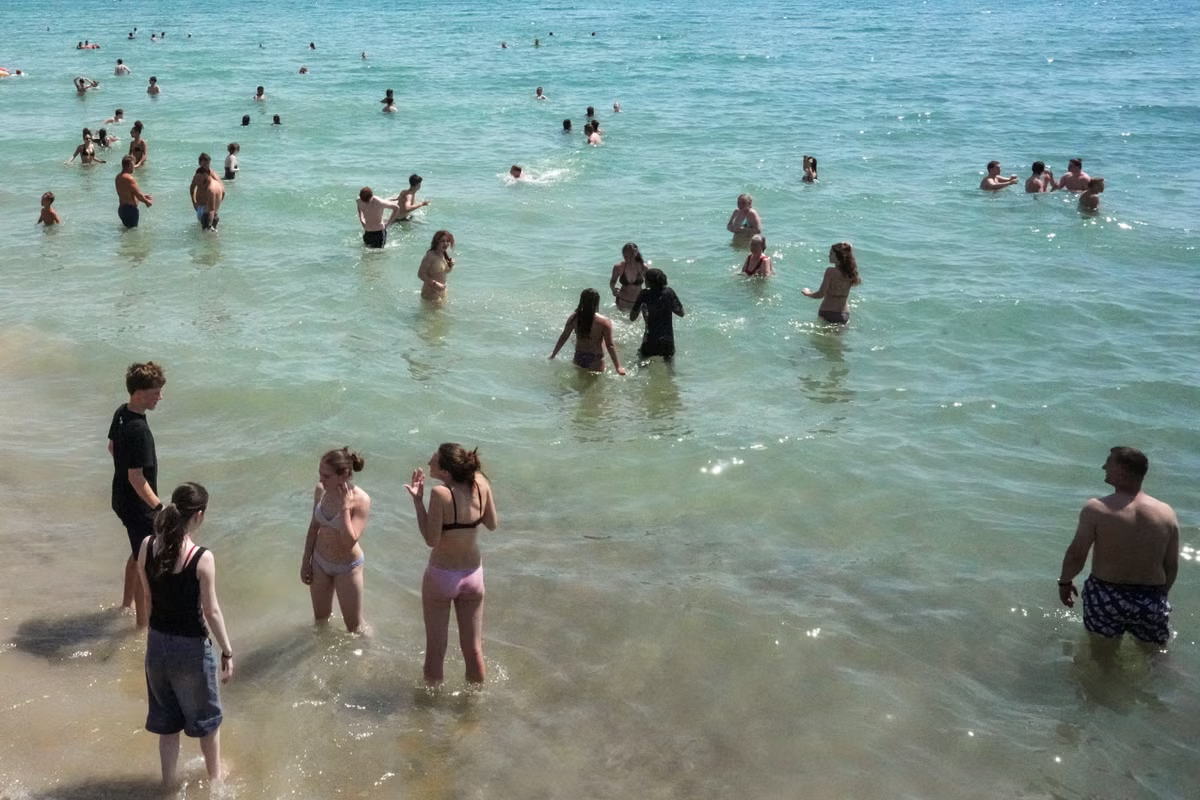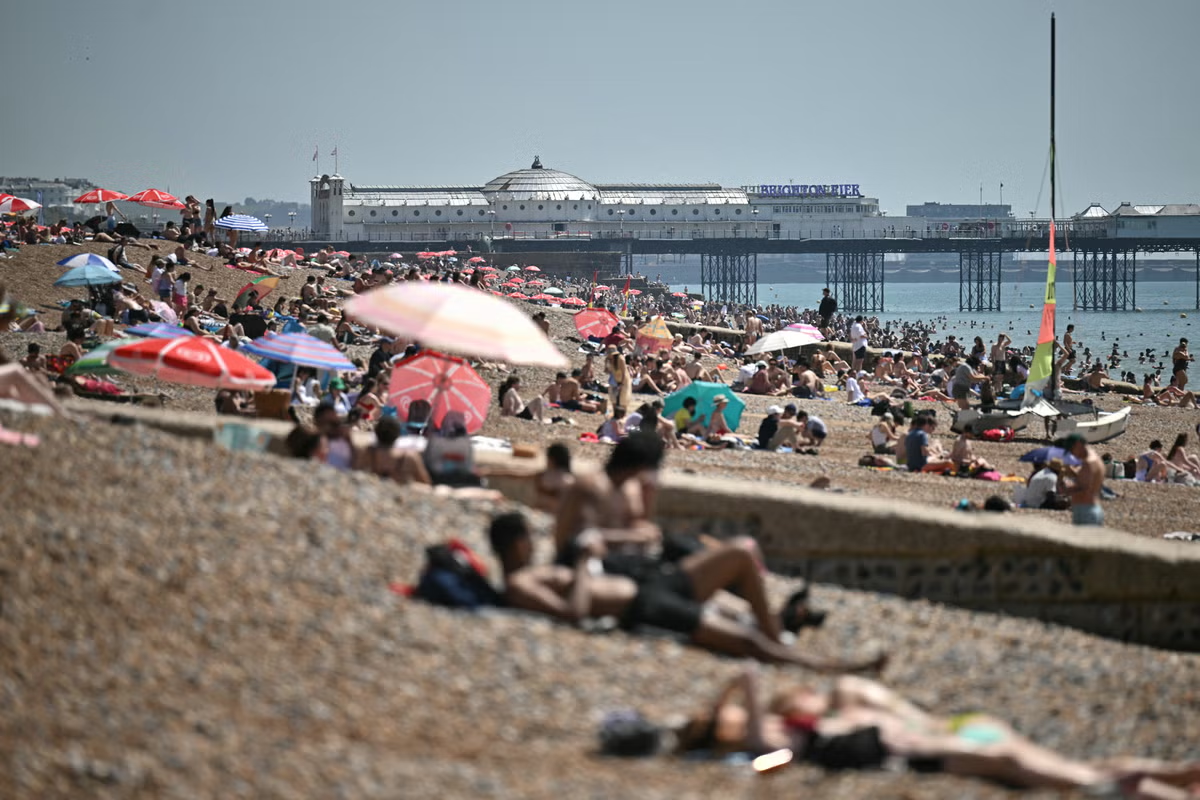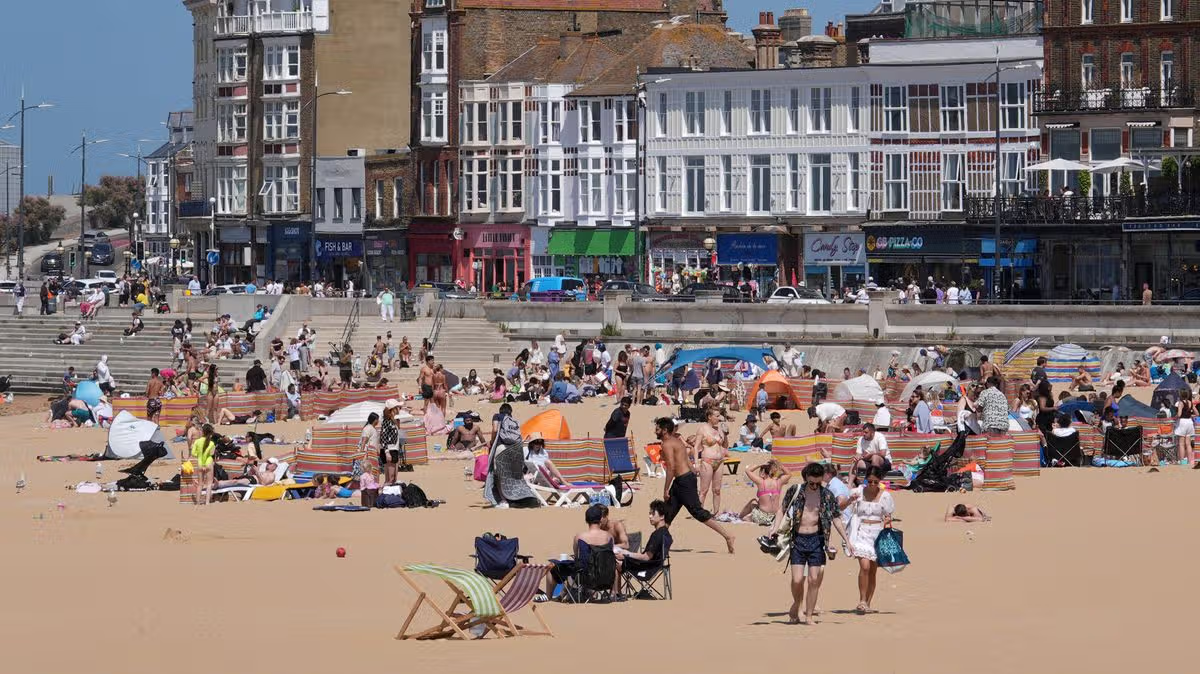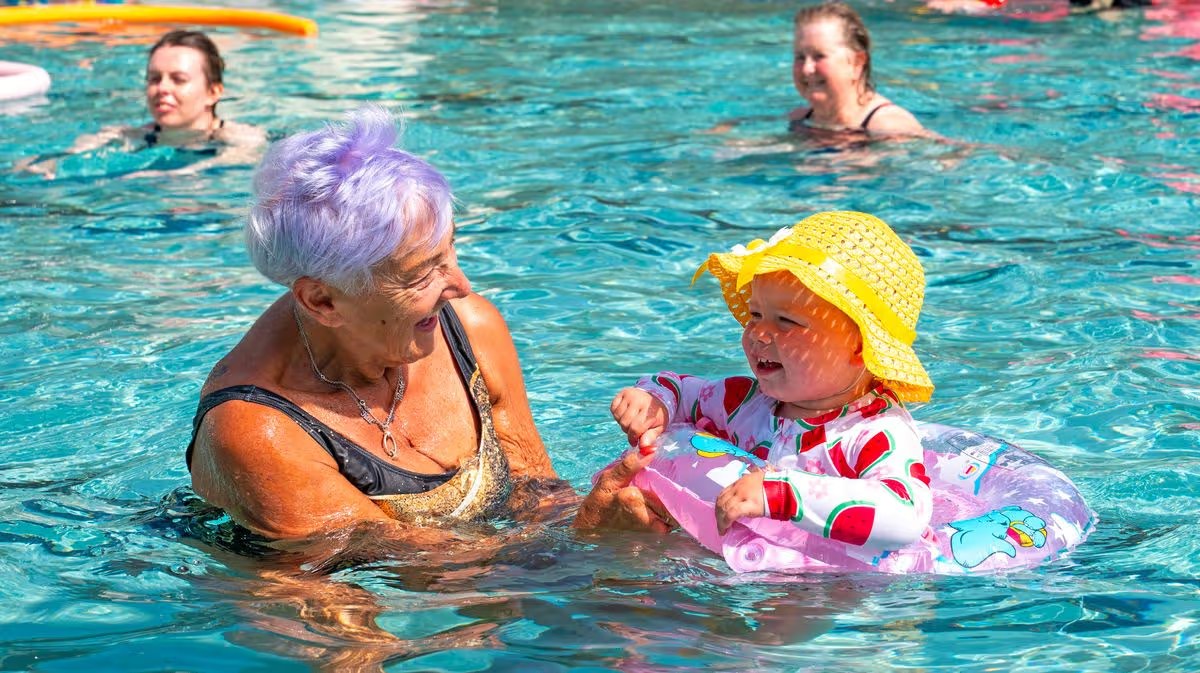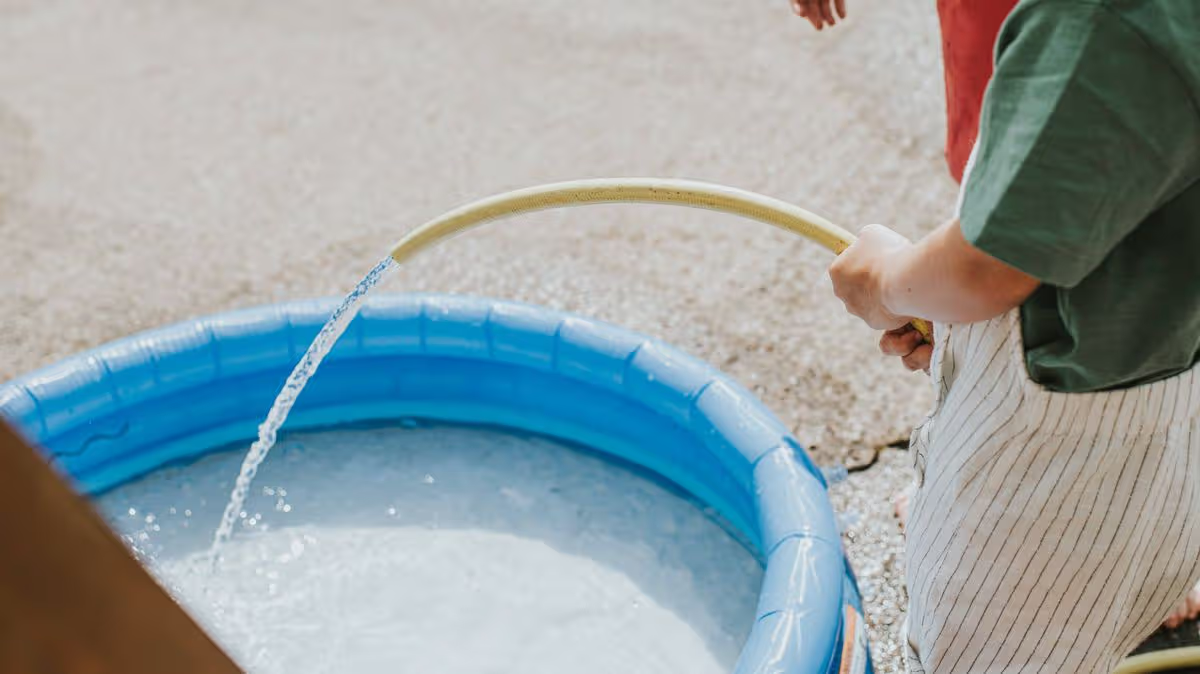
As sweltering temperatures exceeded 33C on Monday, the Mirror uses its Save Lives for Sam campaign to encourage parents to talk to their kids about water safety14:52, 07 Jul 2026The UK has entered the third heatwave so far this year — with temperatures set to climb as high as 35C — prompting a warning to parents to talk to their children about water safety.Parents are being urged to "stay vigilant" to stop further drownings, after at least 29 people lost their lives in the last two heatwaves. May and June both saw heatwaves with blistering 37.7C temperatures.These "catastrophic" drownings, which took place in May and June, led to The Mirror launching the ‘Save Lives for Sam’ campaign backed by Olympians, bereaved families and safety charities, such as the RNLI and the Royal Life Saving Society UK.Fears about more tragediesYet again, a heatwave has raised fears of further tragedies. The Southeast of England has now officially met the heatwave criteria, after three days of temperatures above 28C, the Met Office said.But more are expected to follow as temperatures are forecast to rise across the UK this week. While June’s heatwave left many struggling to sleep, The Met Office predicts this heatwave should be less humid than last month with "fewer exceptionally warm nights".But amber heat health alerts have been issued by the UK Health Security Agency (UKHSA) for the Midlands and southern England, from 9am on Wednesday until 9pm on Sunday.This warns of significant impacts across health and social care services due to the high temperatures, including a rise in deaths, particularly among those aged 65 and over or with health conditions.The UKHSA also warned of a potential increase in water-related incidents across England, including risks from cold water shock and drowning.Last month, authorities issued a cold water shock warning. Samantha Hughes, the National Water Safety Partner at the Royal National Lifeboat Institution (RNLI), said cold water shock "occurs when the body is unexpectedly immersed in water below 15°C. Even on a hot day, the sea, rivers, and lakes in the UK can remain cold enough to trigger this reaction. It’s a physiological response that can affect anyone, regardless of age, fitness, or swimming ability."Ross Macleod, RNLI Water Safety Manager, said this week: “As the hot weather returns, we are urging families to talk about the dangers of swimming and jumping into open water - this could be a conversation that saves lives.“Cold water shock is a real danger, which we particularly want people to be aware of. The sea or open water may look inviting during hot weather, but it remains cold enough year-round to trigger cold water shock, which can cause uncontrollable gasping, increased heart rate, and can lead to panic and drowning very quickly. It’s best to enter the water slowly to gradually acclimatise.“Anyone who finds themselves in danger in the water should fight the panic instinct and Float to Live – try to relax and float on their back, with head tilted back, gently moving their hands and legs to help them stay afloat. This buys valuable time to get your breathing back under control, before then calling for help or swimming to safety.“If you see someone else in danger – do not enter the water yourself as you could also end up in serious difficulty. Instead, remember phone, float, throw – phone 999 or 112 and ask for the Coastguard; tell the struggling person to float; throw them something buoyant, like a life ring.“If you are visiting the coast, the safest option is a lifeguarded beach, where you should swim between the red and yellow flags. If you can’t choose a lifeguarded beach, find out about your chosen beach before you visit – check weather and tide times and read local safety signage. By remembering this advice and sharing it widely, we can all play a role in helping to save more lives from drowning.”Be aware of risksAshley Jones, Head of Water Safety and Education, from RLSS UK, said: "We’re supporting the Mirror’s Save Lives for Sam campaign, especially with warmer weather drawing more people to rivers, lakes, and the coast this week. While enjoying the water can be a great way to cool off, many people underestimate the risks of cold-water shock, hidden hazards under the water and strong currents.“RLSS UK urges everyone to swim at a lifeguarded location if possible. Be aware of risks below the water and always keep children within arm’s reach."We also encourage parents and carers to have water safety conversations with children and teens before heading out, so everyone can enjoy water safely and return home.”The Met Office said: “Conditions are expected to be less humid than during June’s heatwave, with lower peak temperatures.” They said some locations will potentially reach 34-35°C later in the week.Met Office Deputy Chief Forecaster Steven Keates said: “Parts of the UK are entering heatwave conditions: the third heatwave in the UK so far this year. However, unlike the May and June heatwaves, we are not expecting this heatwave to be record-breaking. “ He said night-time temperatures will not be as high as June.Forecast temperatures for southern parts of the UK include highs of around 32°C on Monday and Tuesday, rising to 33°C on Wednesday, 34°C on Thursday, and with isolated locations potentially reaching 35°C on Friday and Saturday.The Met Office says climate change has increased the risk of heatwaves in the UK . The top 10 warmest years for the UK since 1884 have occurred since 2002. In contrast, none of the coldest years have been recorded in this century.In June’s record-breaking heatwave, two thirds of people struggled to sleep, while someone felt unwell in nearly a quarter of families, a poll has revealed.'Brutal reality of dragging our feet on climate action'The heatwave also cost people extra money, and disrupted work, schooling, transport and even health appointments, the survey of more than 2,235 people by YouGov for Greenpeace shows.The environmental group said the findings showed the "brutal reality of dragging our feet on climate action in the UK".Greenpeace want the Government to make big polluters pay for some of the costs of cooling homes, protecting public health and making infrastructure resilient to the heat.Heatwaves are becoming more intense and frequent as a result of climate change caused by human activity - mostly burning fossil fuels.The independent advisory Climate Change Committee are warning that the UK is unprepared for the threats to the British way of life climate impacts pose.In the last heatwave, temperatures reached a new high of 37.7C, beating the previous June record dating back from the summer of 1976, and combined with high humidity and "tropical nights" where temperatures do not drop below 20C.The poll for Greenpeace found nearly half (44%) thought their home was uncomfortably or dangerously hot in the June heatwave.More than a third (35%) spent extra money on fans, cooling, cold food or drinks, while one in eight (13%) had to throw away food because it spoiled and the same number had trouble travelling because of heat-related disruption.The biggest issue in the heatwave was getting a decent night's rest, with 65% of those quizzed saying they struggled to sleep.But 23% also said they or someone in their household felt unwell because of the heat, highlighting the health dangers of heatwaves, while a small proportion (2%) found a medical, dental, care or support appointment was cancelled, delayed or missed.The RNLI share ‘Float To Live’ advice and join forces with the Mirror to help save lives this summerNearly one in 10 (9%) said they were unable to work, had to stop work early or lost working hours, while more than a quarter (27%) said they were less productive and three in five said their workplace was too hot.And 8% suffered disruptions with their child's school, nursery or childcare, the poll found.Mel Evans, head of climate at Greenpeace UK, said: "Heatwaves are no longer just a novel inconvenience, they are a creeping health, housing and economic emergency that is costing families money they don't have.Article continues below"And as these extremes become our new normal, the public wants the corporate polluters who made this mess to pay their fair share towards fixing it."It's a moral failing that UK households are bearing the economic, social and physical costs of climate breakdown mostly caused by fossil fuel giants."The Government must stop big polluters from heating up our planet and make sure they pay at least some of the costs of cooling our homes, securing our national infrastructure and protecting public health."
Third heatwave prompts sobering warning to parents after awful tragedies
As sweltering temperatures exceeded 33C on Monday, the Mirror uses its Save Lives for Sam campaign to encourage parents to talk to their kids about water safety
1,416 words~6 min read