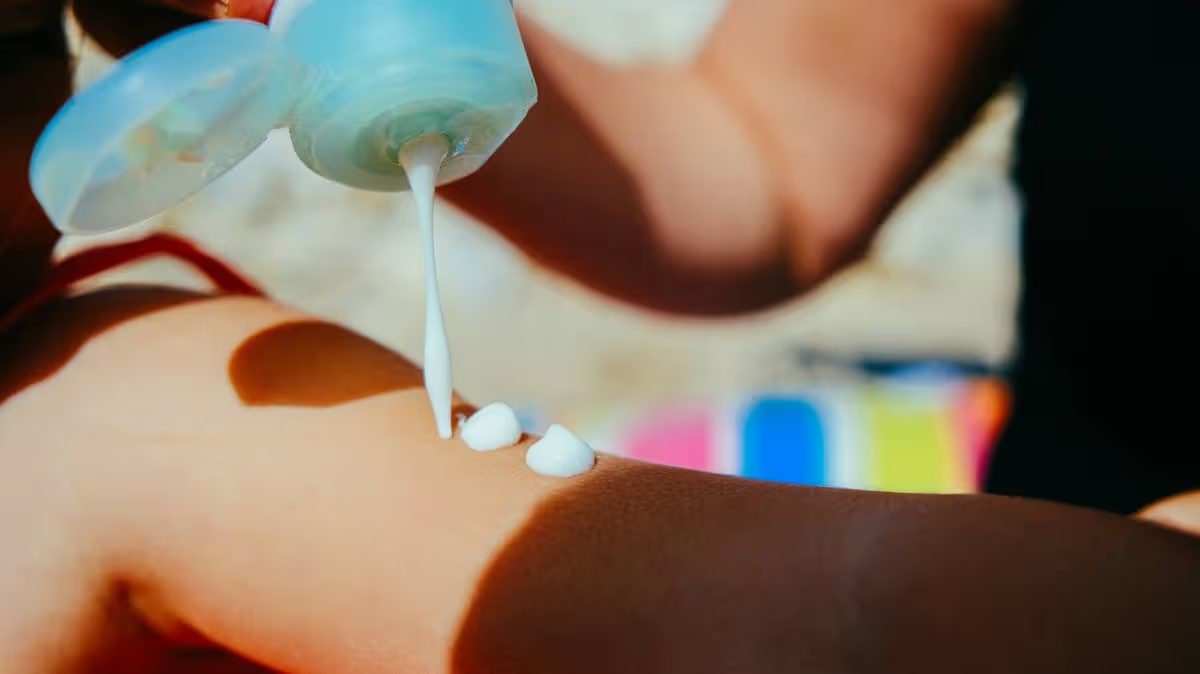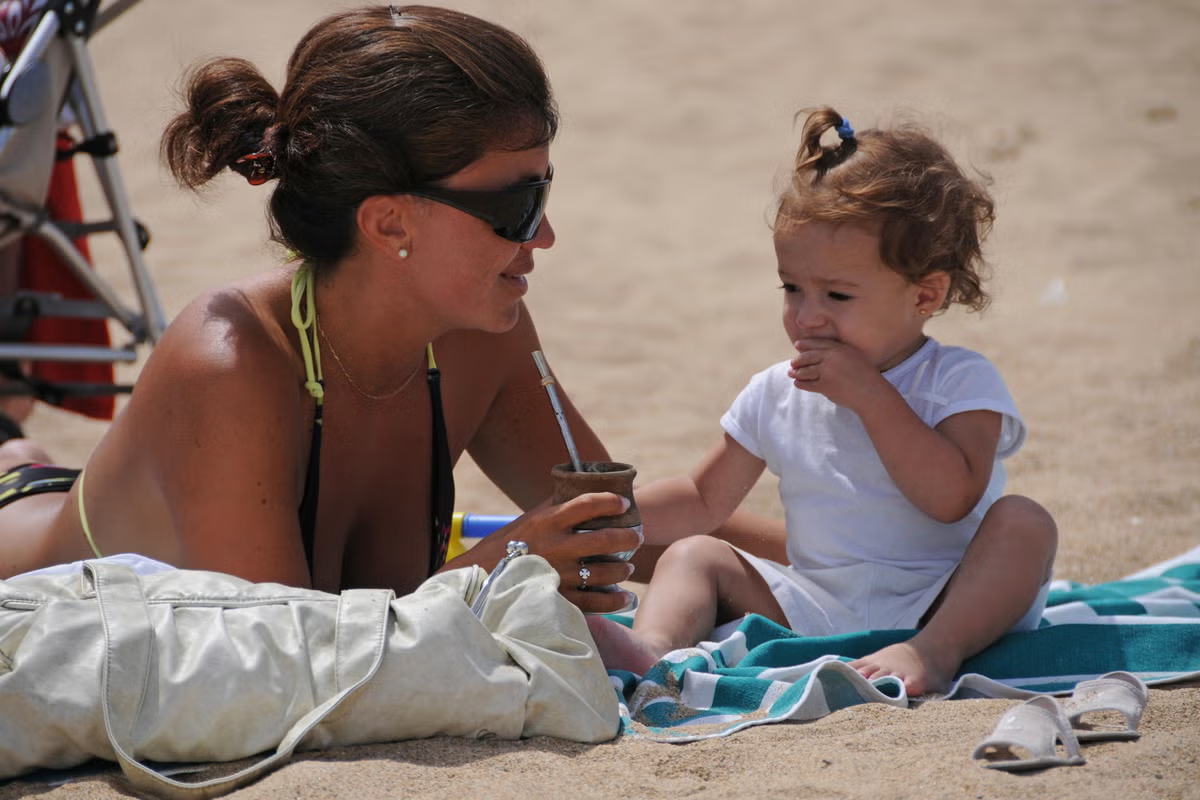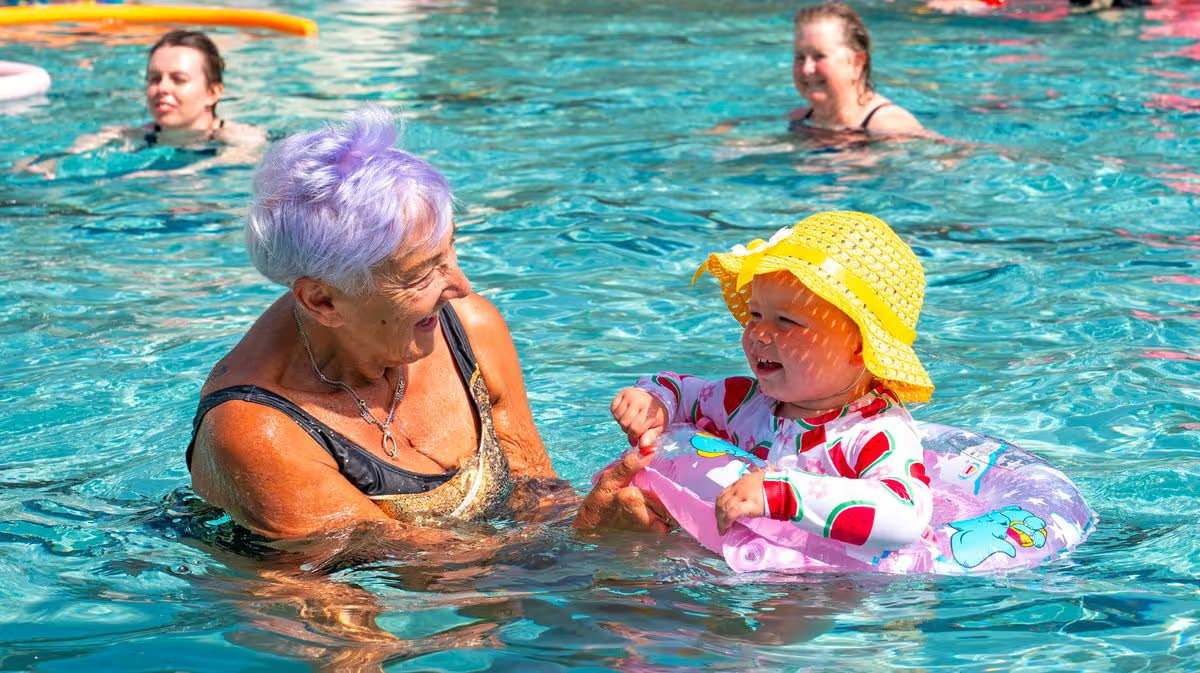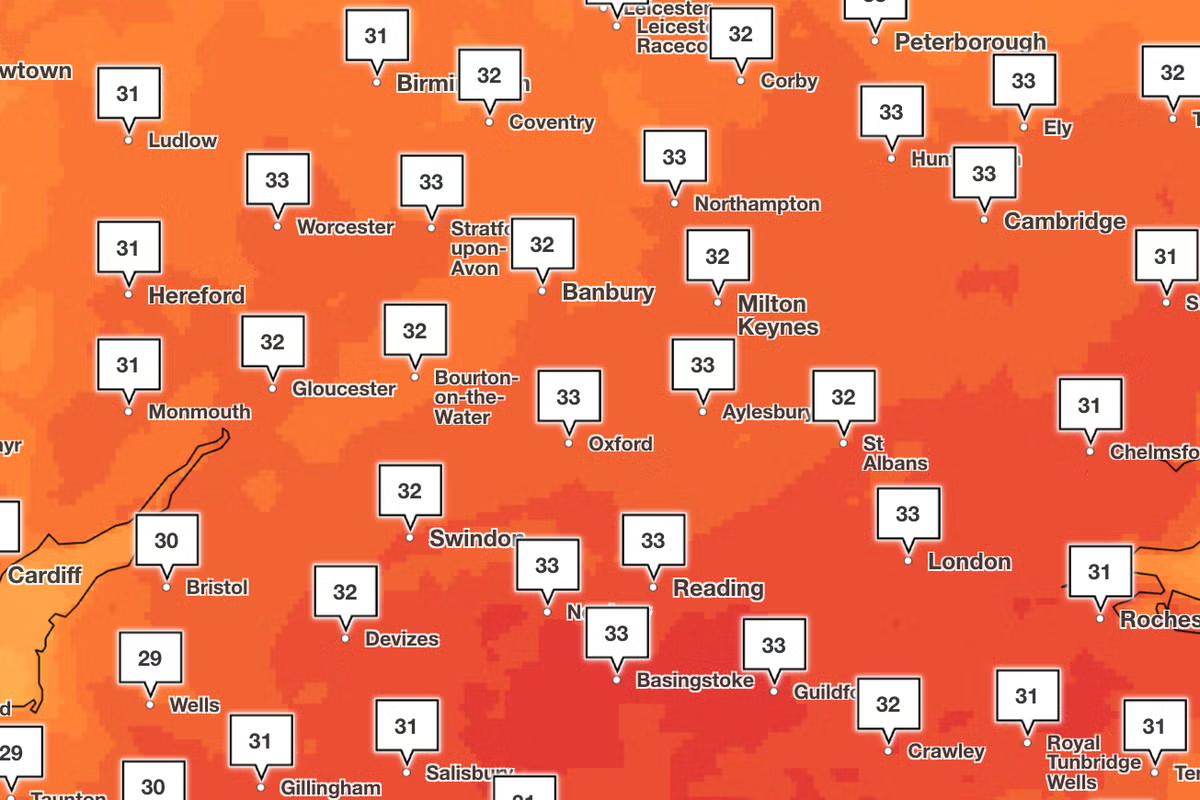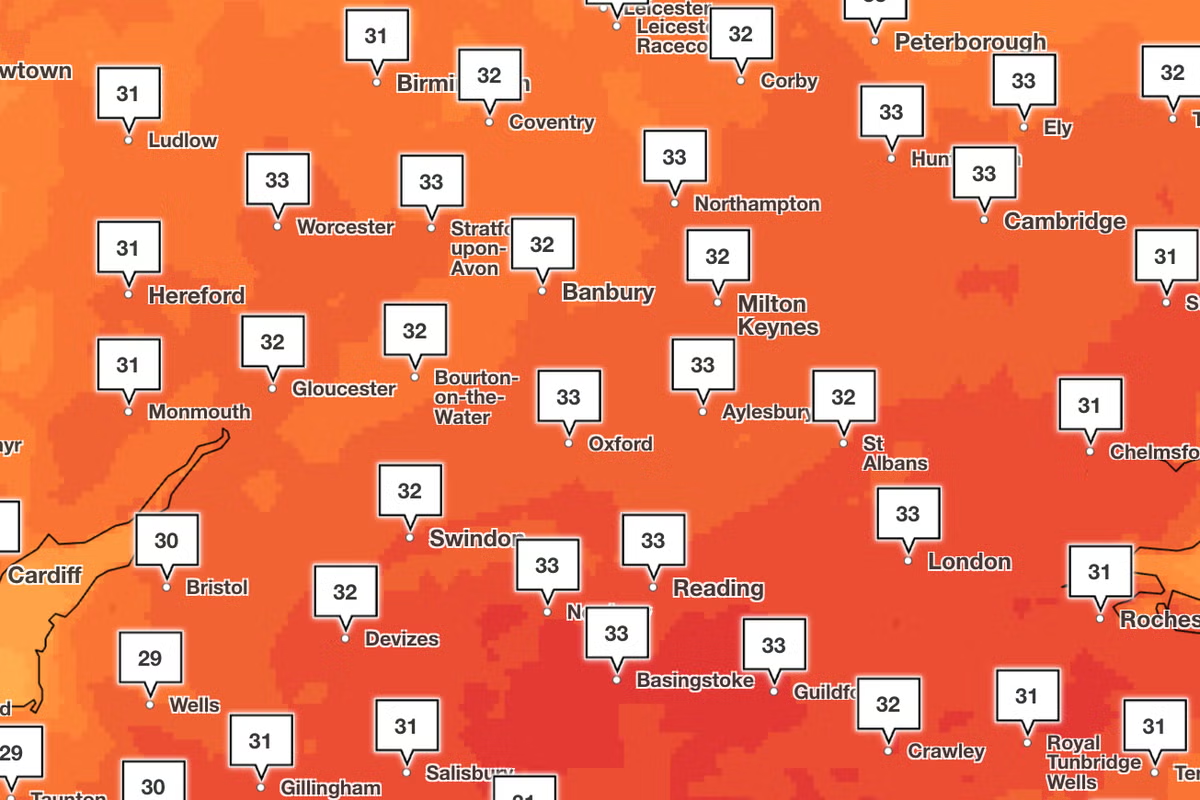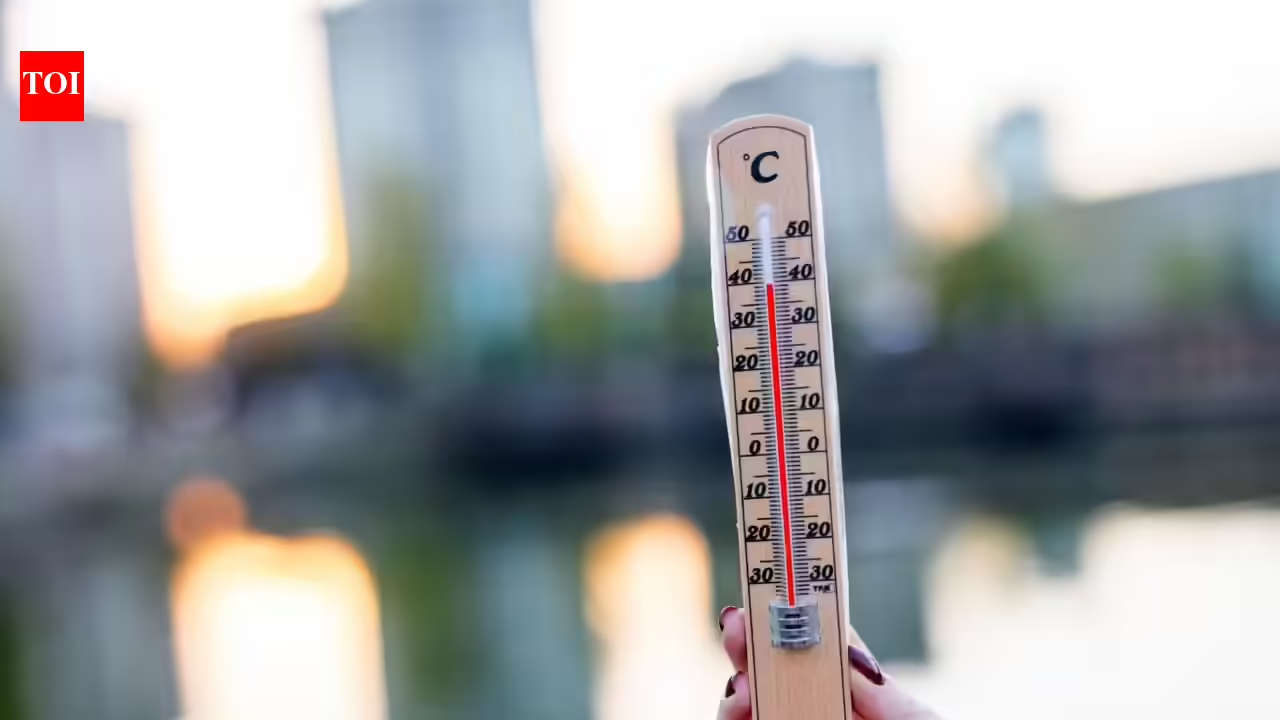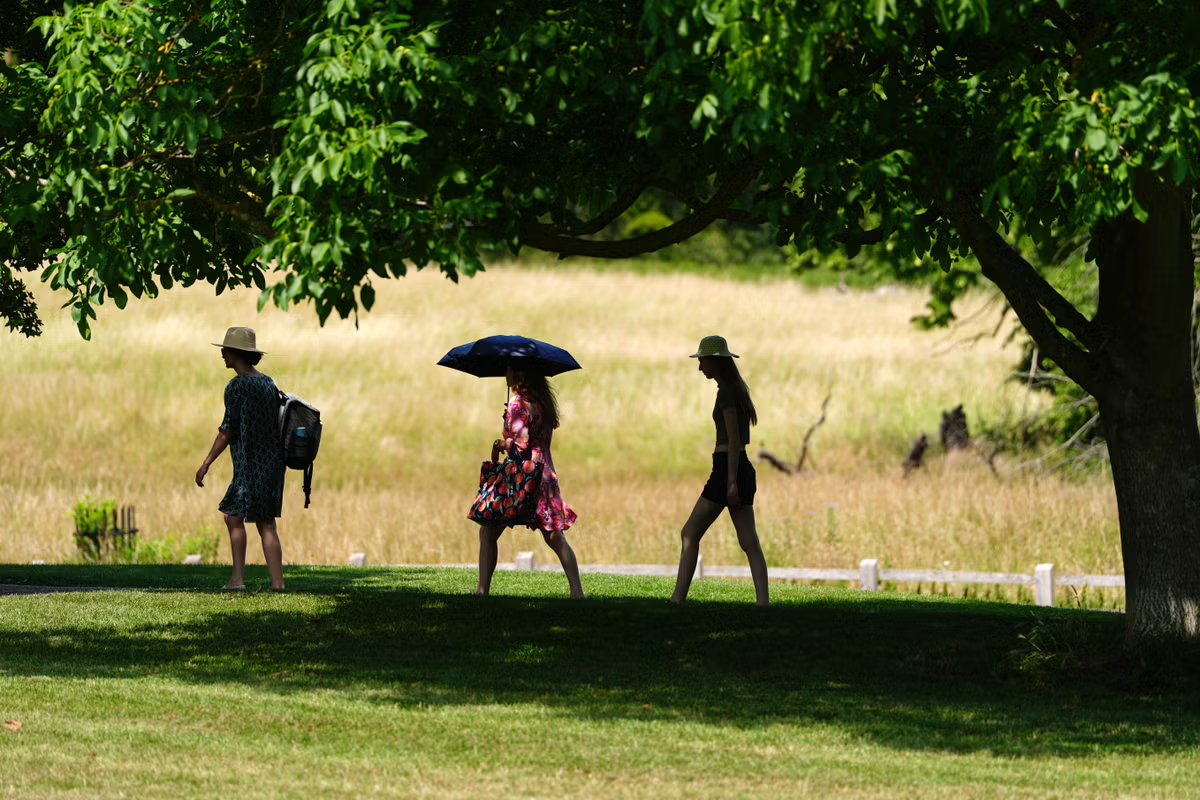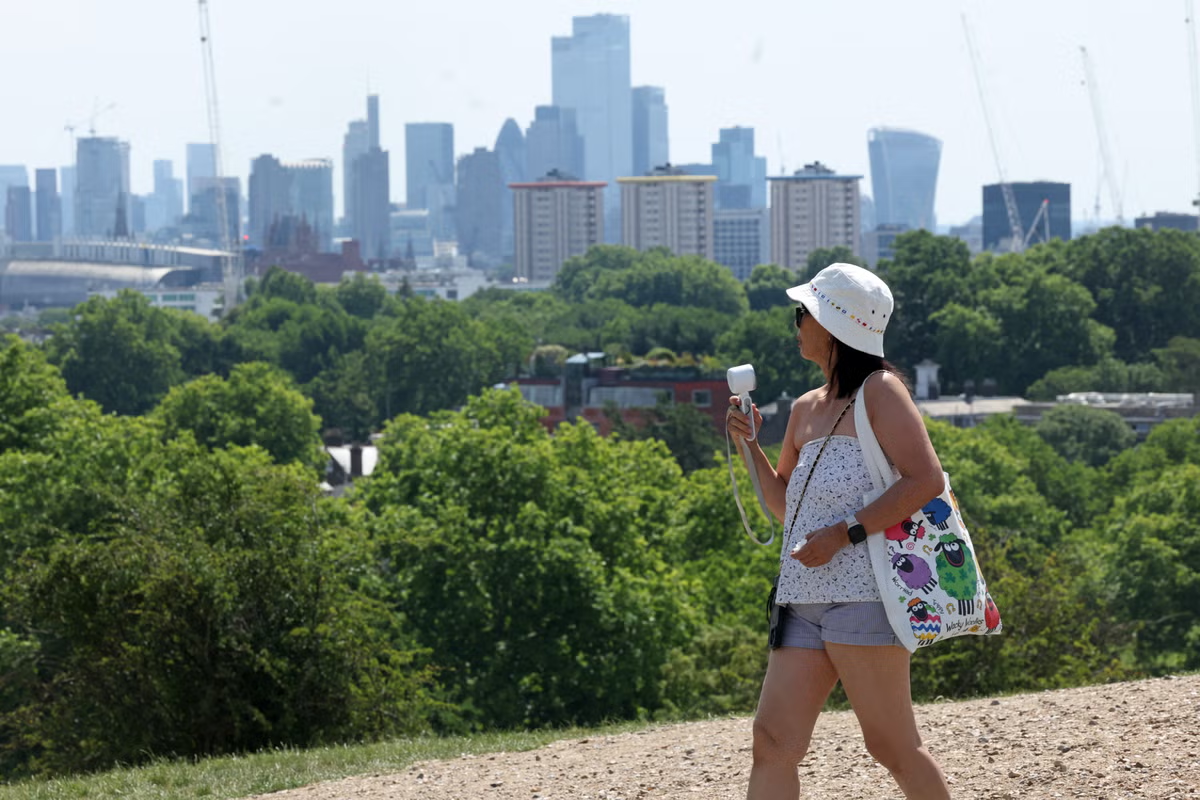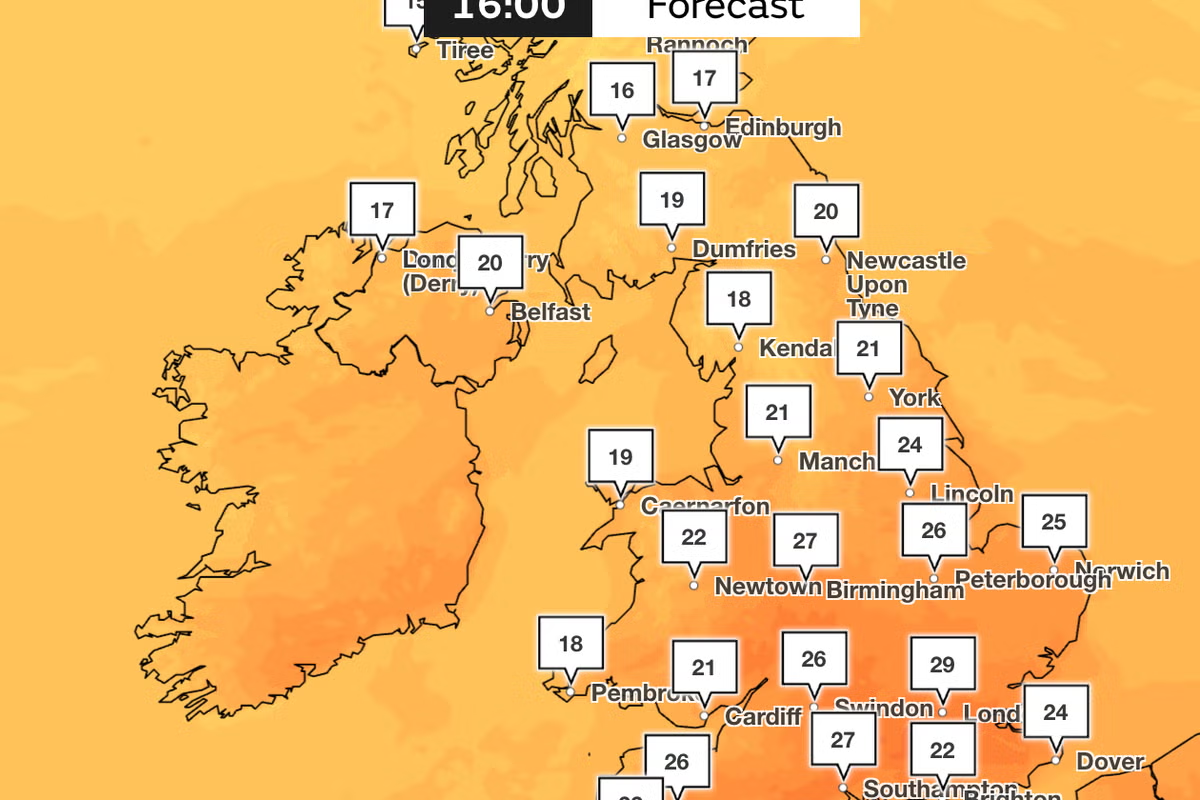
The UK is set to experience its third heatwave of the year this week14:21, 06 Jul 2026Parents of babies and young children are being urged to take several precautions to keep their little ones safe and comfortable during the approaching heatwave.The Met Office has confirmed the UK is set to experience its third heatwave of the year this week, with temperatures potentially reaching 35C in some parts of the country. However, unlike the heatwaves seen in May and June, conditions are expected to be less humid this time round, with "lower peak temperatures and fewer exceptionally warm nights".While this will come as welcome relief to many, protecting young children remains absolutely vital. The UK Health Security Agency (UKHSA) is advising parents and caregivers to keep windows and curtains closed in sun-facing rooms throughout the day."At night keep air flowing through open doors and windows (if it's safe to do so). Use electric fans if the air temperature is below 35C but do not aim the fan directly at your baby as this can lead to dehydration."Remove any excess clothing and check on them regularly to make sure they are not overheated. Sleeping in just a nappy is fine. If another safe room is cooler, temporarily move their sleeping set up to there."Further guidance on the NHS website warns that babies and young children are particularly vulnerable to falling ill during extreme heat, with conditions including heat exhaustion, heatstroke, and dehydration all posing a serious risk. Babies under 6 months old should be kept out of direct sunlight at all times.Older babies should also be kept out of the sun as much as possible, especially during summer and between 11am and 3pm, when the sun's rays are at their strongest. When going out in the heat, attach a parasol or sunshade to your baby's pushchair to shield them from direct sunlight.Don't cover your baby's pushchair or pram with a blanket as this could cause overheating. Check on them frequently to make sure they're not getting too hot. Don't dress your baby in too many layers and choose lightweight clothing instead.If your baby is six months or older, apply a sunscreen with a sun protection factor (SPF) of at least 30 to their skin - sunscreen is not recommended for babies under six months. Make sure the product also protects against both UVA and UVB rays.Many brands produce sunscreen specifically designed for babies and young children, as these products are less likely to contain additives that might irritate delicate skin. Apply sunscreen generously and reapply regularly (every two hours), and immediately after swimming or sweating.Ensure your child wears loose-fitting clothing, sunglasses and a sunhat with a wide brim or a long flap at the back to protect their head, ears and neck from the sun. Just like adults, babies and young children need to drink plenty of fluids to stay hydrated.For babies aged 0-6 months, fully breastfed babies don't need any water until they've started eating solid foods. During heatwaves, babies may want to breastfeed more often than usual. If you're bottle feeding, you can offer your baby a small amount of cooled boiled water alongside their regular milk feeds.Should your baby wake during the night, they'll most likely be after milk. If they've already had their usual milk feeds, try cooled boiled water as an alternative.NHS guidance adds: "Remember you can ask your health visitor or another health professional for advice about any baby care issue, advice will then be tailored to meet your baby's needs."From around six months, once you've started introducing solid foods, you should offer your baby sips of water from a cup or beaker with meals. Keep in mind that breastmilk or infant formula should remain their primary drinks throughout the first year.In warmer weather, you may need to provide some extra water between mealtimes. Once your baby reaches one year old, water, breast milk or whole cows' milk should become their main drinks. In hot weather, you can try giving them frozen lollies made from plain water or very diluted fruit juice to help keep them hydrated.Lollies made from diluted fruit juice should only be given at mealtimes as they can contribute to tooth decay. For older children, offer plenty of fruit and salad to help maintain their fluid levels.Bear in mind that undiluted fruit juice or smoothies should not be given to children until they are 5 years old, as these can also cause tooth decay. The NHS recommends the following tips to keep babies and young children cool:Article continues below"Do not leave babies or children in small, enclosed spaces, such as a parked car, as they can get hot very quicklyPlaying in a paddling pool is a good way of keeping babies and children coolKeep the pool in the shade during very hot weather and supervise the children carefully at all timesRun them a cool bath before bedtimeKeep your child's bedroom cool during the day by closing blinds or curtainsYou can also use a fan to circulate the air in the roomDo not aim the fan directly at your child as this could make them dehydratedKeep nightwear and bedclothes to a minimumYour baby can just wear a nappyIf they're hot or sweaty, remove 1 or more layers of bedclothesA nursery thermometer will help you monitor the temperature of your baby's roomYour baby will sleep most comfortably when their room is between 16C and 20CYou can also keep the door of your baby's room open and open their bedroom window (if it's safe to do so)."
Steps parents should take to protect babies in heatwave this week
The UK is set to experience its third heatwave of the year this week
921 words~4 min read