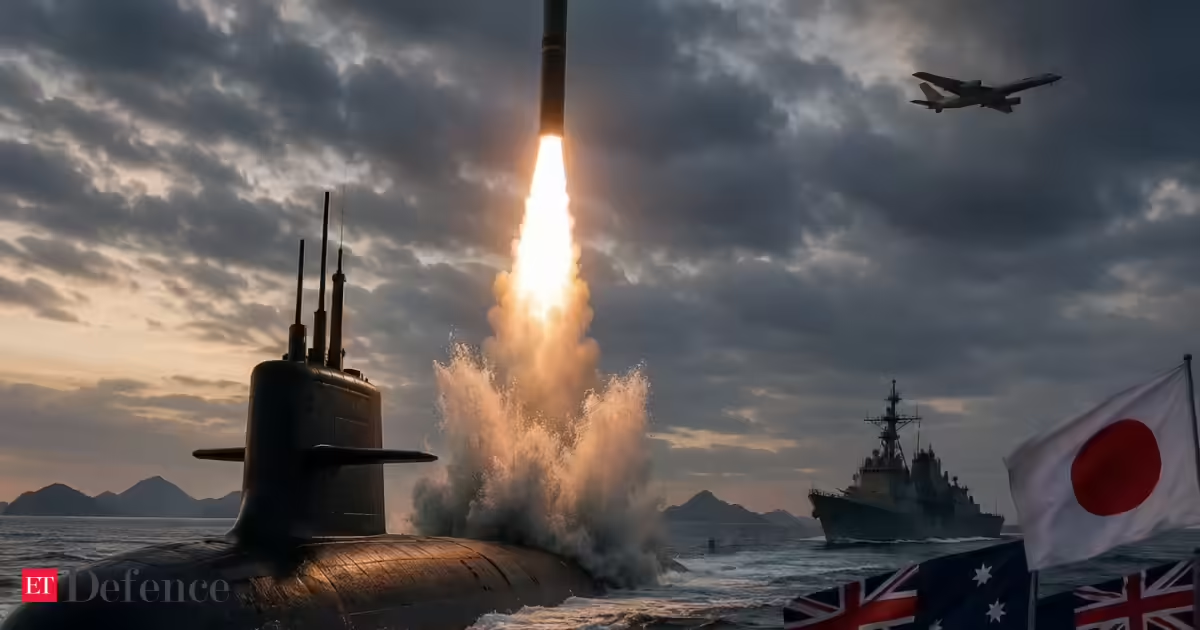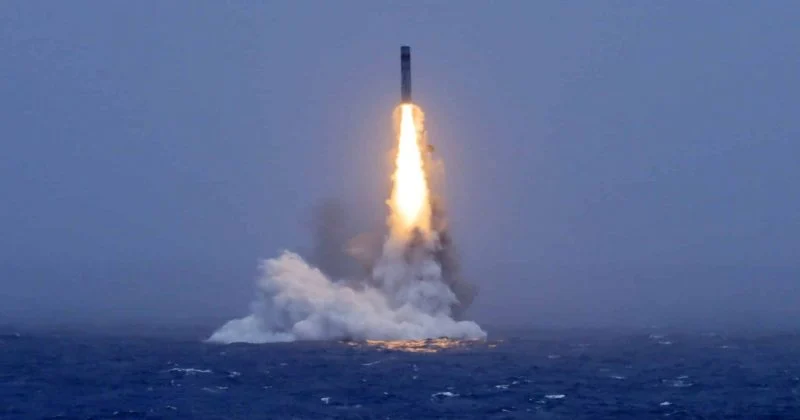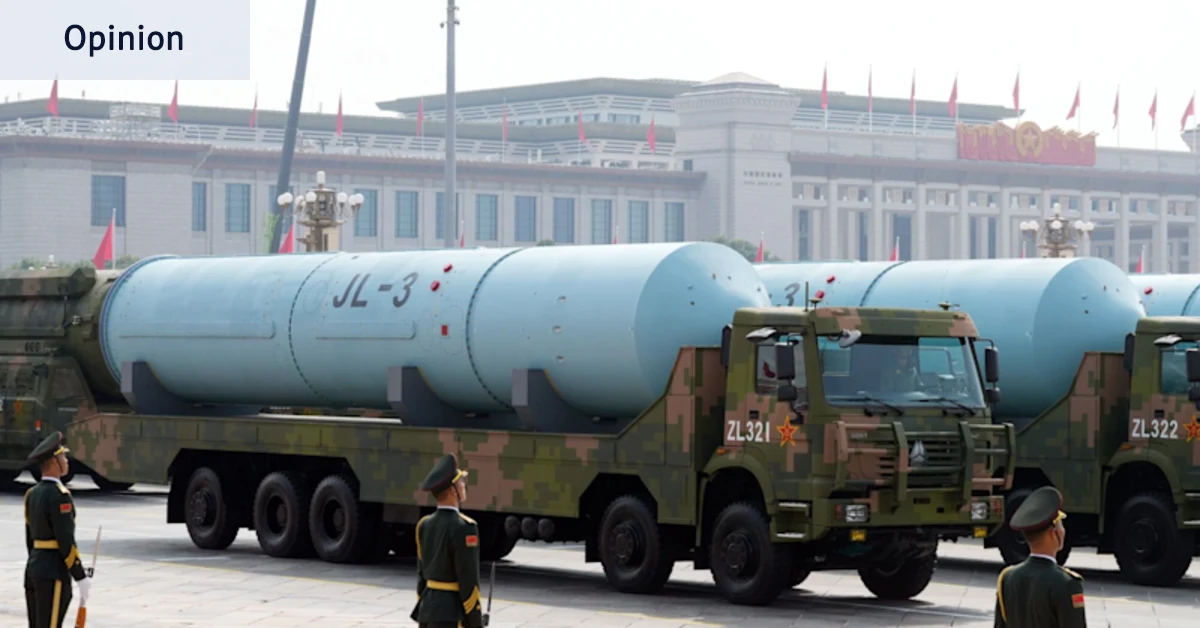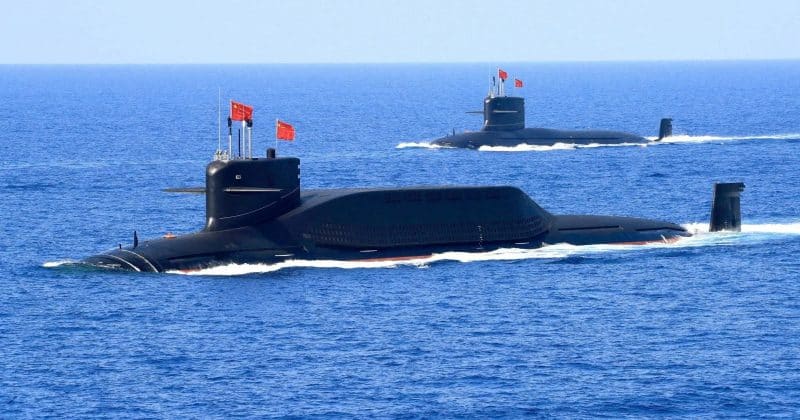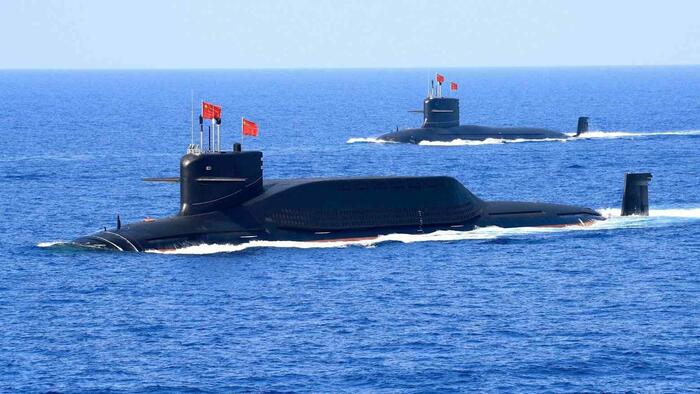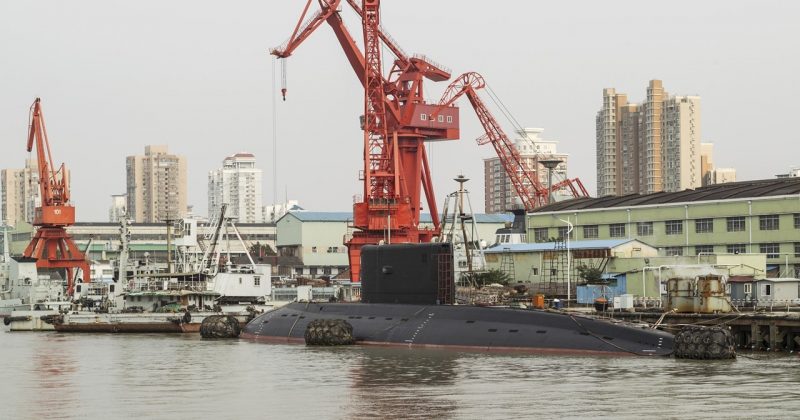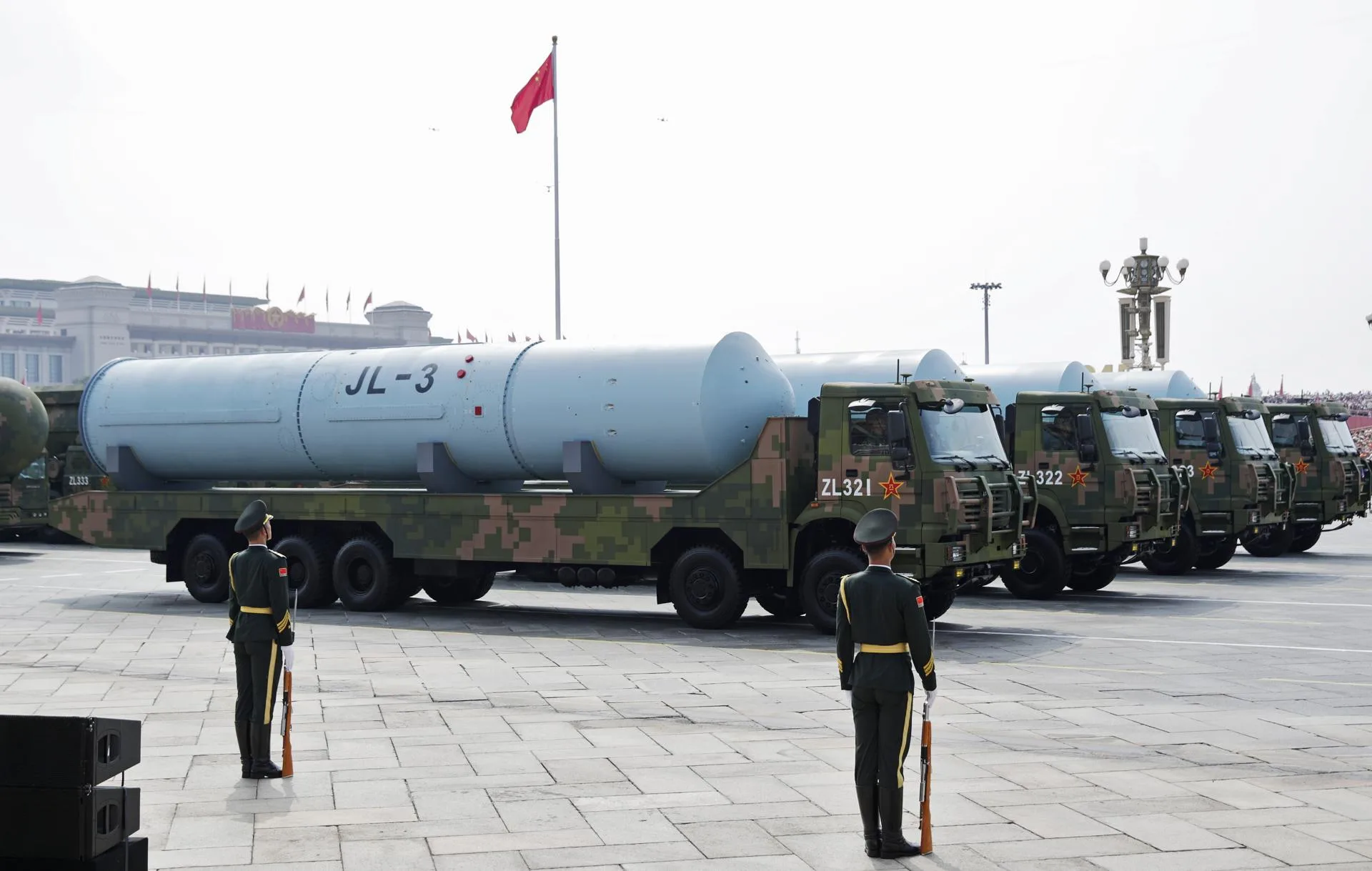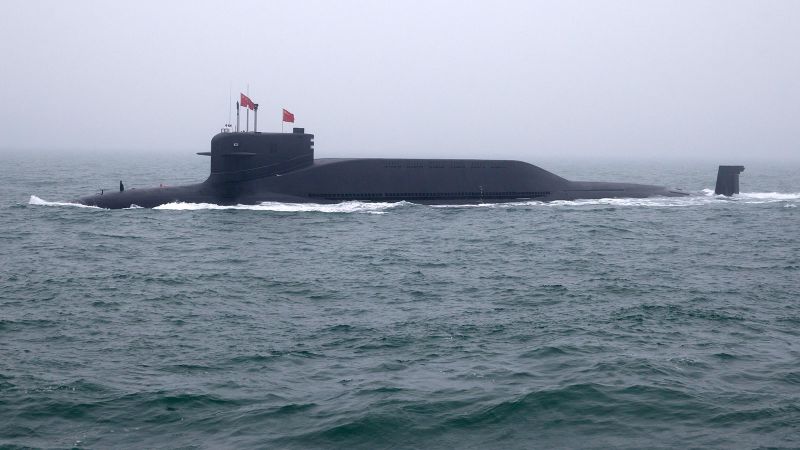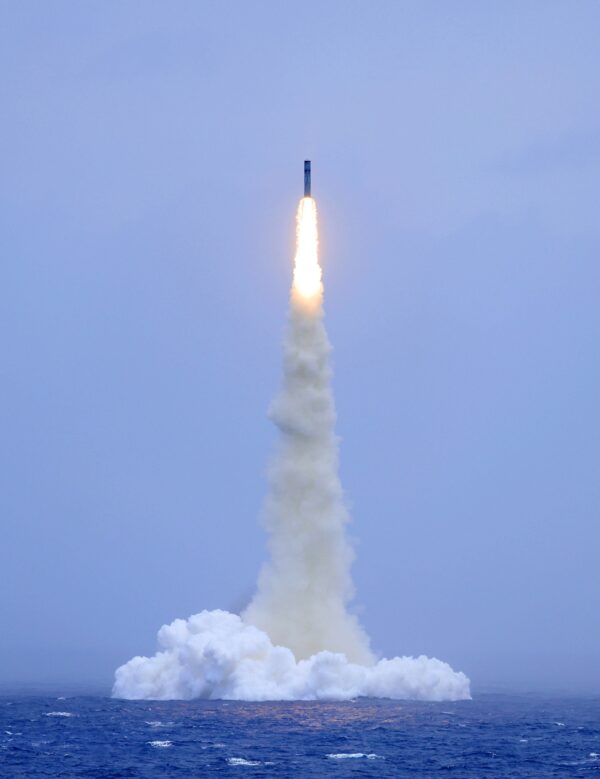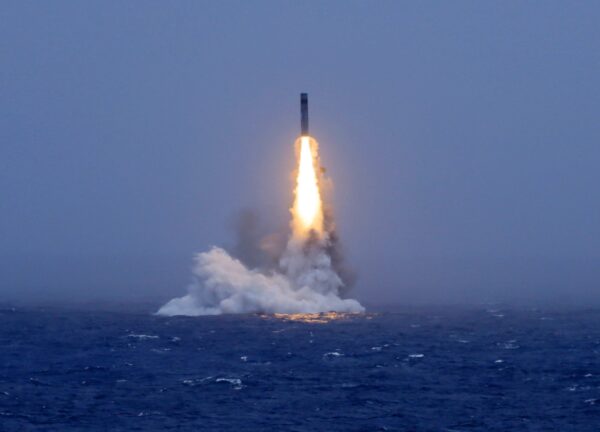
On July 6, China’s navy launched a submarine-launched ballistic missile (SLBM) from a nuclear-powered submarine into the Pacific Ocean, Chinese state media reported. The test immediately drew pushback from the United States, Japan, Australia, and New Zealand. Beijing described the launch as routine annual training, “not aimed at any specific country or target.”
According to Japanese media reports, the impact point fell outside Japan’s exclusive economic zone (EEZ). That distinction matters, but only up to a point. The episode deserves attention far beyond the question of where the dummy warhead landed.
The more consequential story is that China is steadily expanding both the quantity and quality of its undersea nuclear deterrent in waters increasingly relevant to Japan, the United States, and the wider Pacific.
A Qualitative Leap in China’s Sea-Based Deterrent
SLBMs are prized precisely because they are difficult to detect, track, and intercept. Launched from submarines that can remain hidden underwater for extended periods, they provide the most survivable leg of a nuclear triad and help preserve a credible second-strike capability even under the most severe crisis conditions.