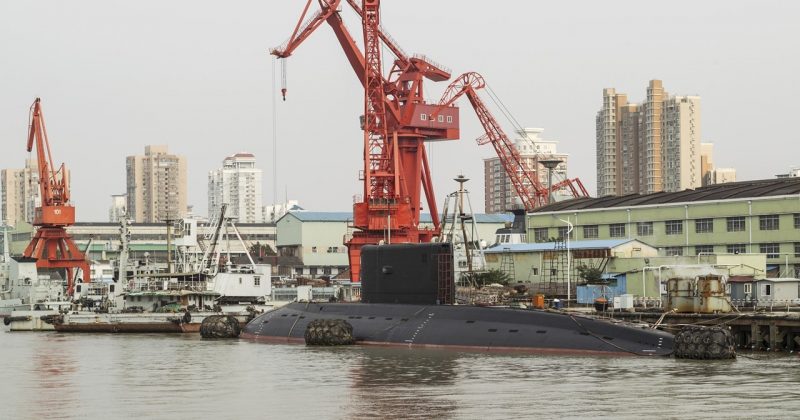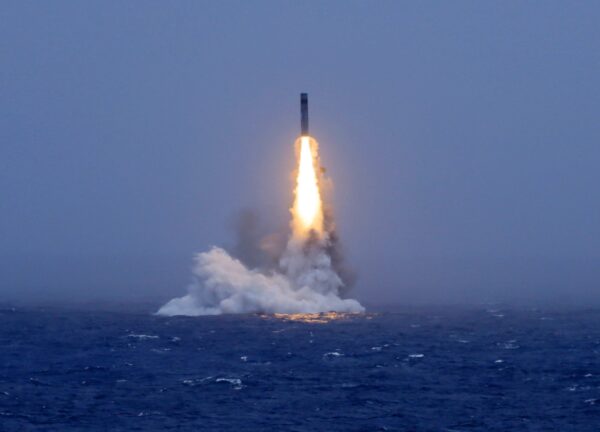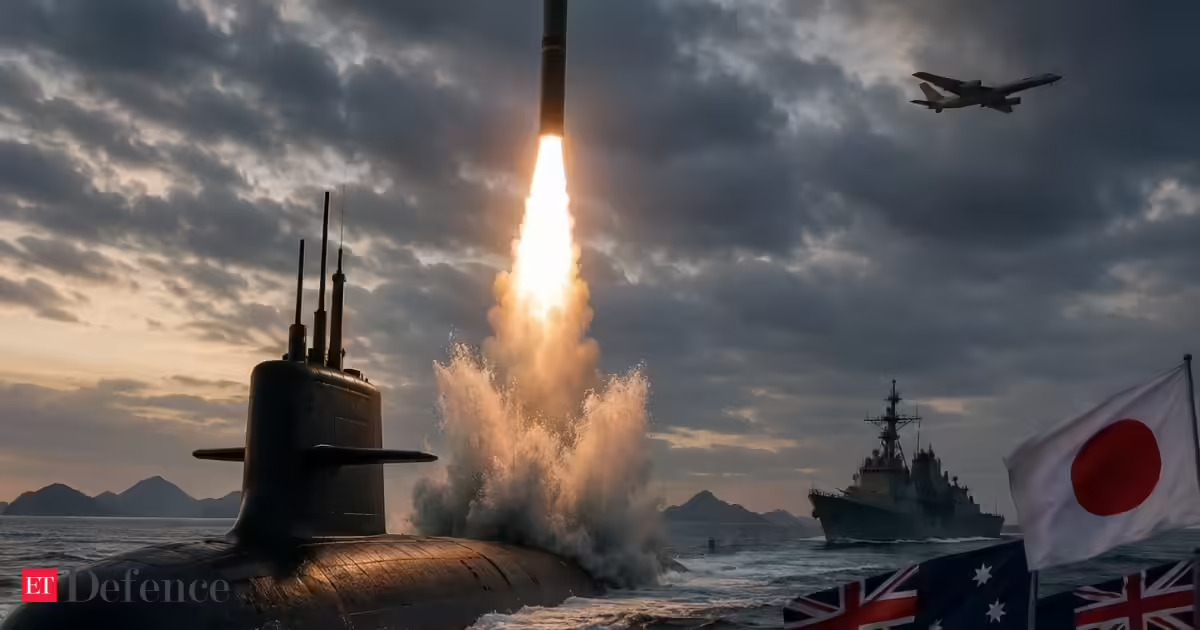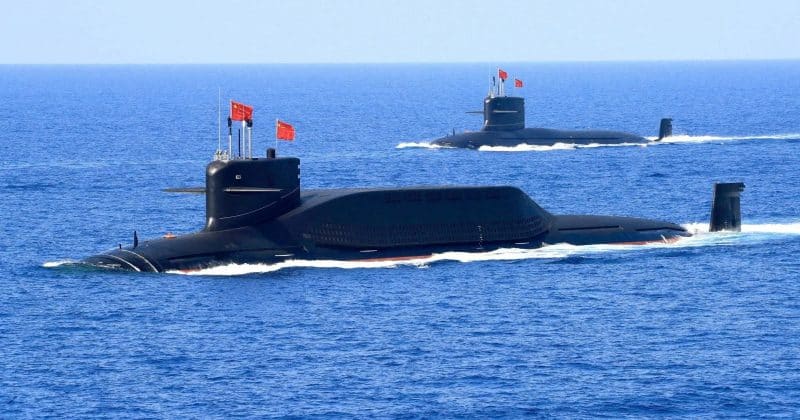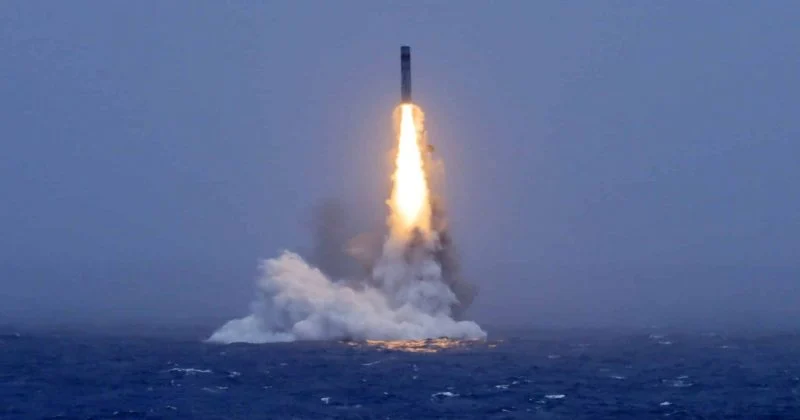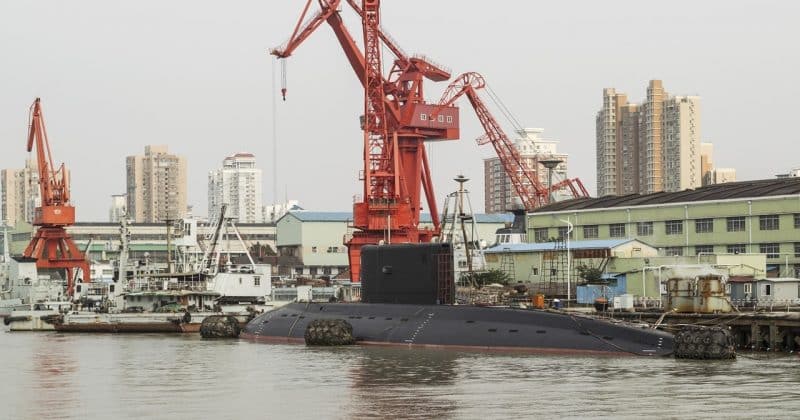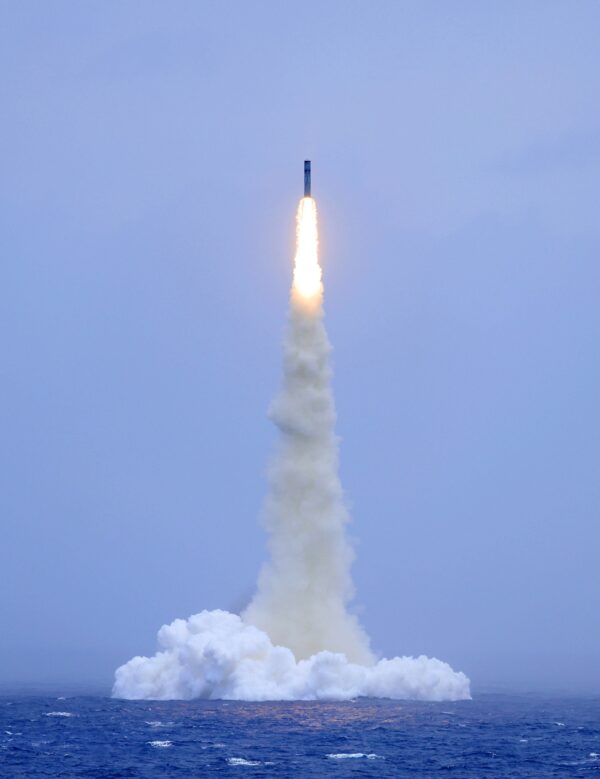
On July 6, China fired off a submarine-launched ballistic missile (SLBM) carrying a training warhead from a People’s Liberation Army (PLA) Navy nuclear-powered submarine into the Pacific Ocean. This marked China’s second intercontinental ballistic missile (ICBM) launch into the Pacific region, following the PLA Rocket Force’s test of a land-based ICBM in 2024.
As in 2024, Beijing did not publicly disclose detailed information about the operation. The submarine’s location, the missile type, and the missile’s flight path all remain unknown. This lack of transparency makes it difficult for outside observers to assess the current development of the PLA’s nuclear strike capabilities.
Although the details of the PLA’s missile launch remain unclear, Beijing did notify selected countries in advance, thereby offering clues about the intent behind the launch. Before the SLBM was fired, China informed countries including Australia, New Zealand, Papua New Guinea (PNG), and Japan through diplomatic channels – although several of the notified governments said they had been informed mere hours in advance.
On the same day as China’s SLBM launch, the leaders of Australia and Fiji signed a mutual defense treaty in Suva, Fiji. The fact that the countries notified in advance all maintain close ties with Australia, combined with Beijing’s decision to conduct the military operation during a major Australian diplomatic agenda, suggests that China’s purpose was not merely a straightforward display of military power.