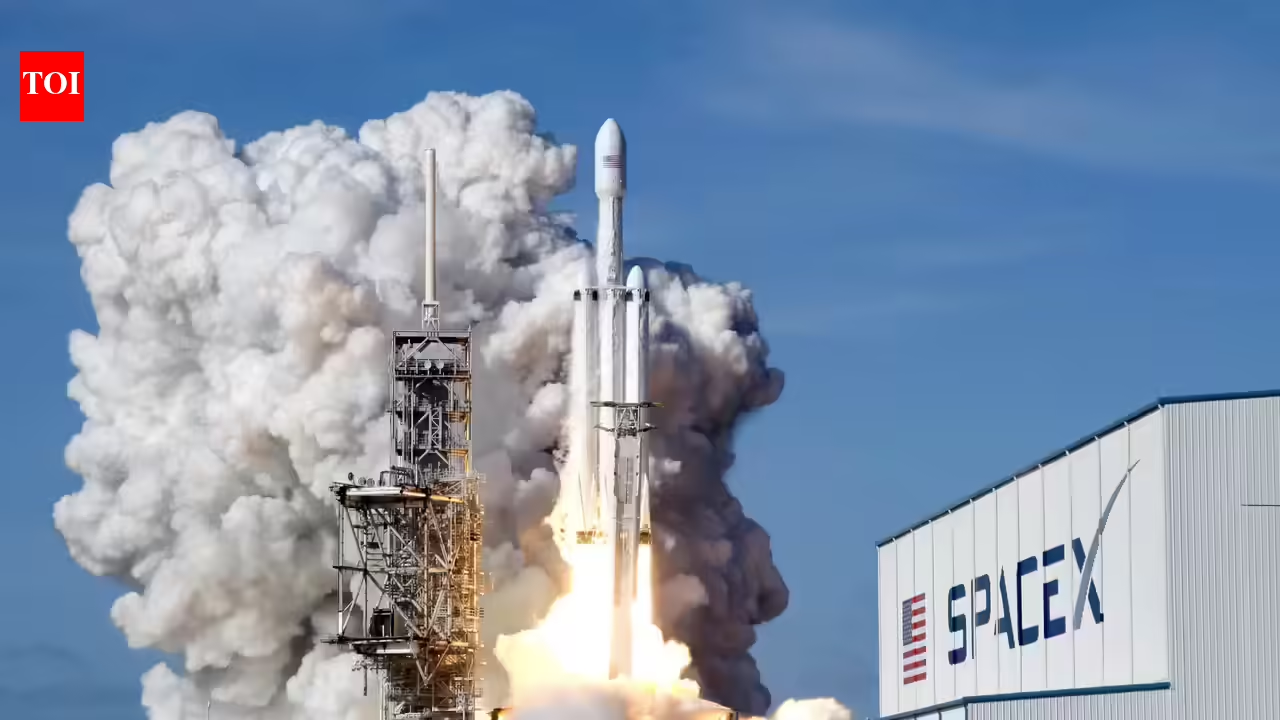
SpaceX went public at $135 per share. Morgan Stanley, the lead underwriter on that deal, thinks the part of the company that actually launches rockets into space is worth about $8 of that price. The rest, roughly 94% of the valuation, comes from Starlink, AI synergies, and future infrastructure plays.
The numbers behind the split
SpaceX completed its IPO on June 12, 2026, pricing shares at $135 each. That established an initial market capitalization of approximately $1.77 to $1.8 trillion, making it one of the largest public offerings in history.
Post-IPO trading briefly pushed the company’s valuation past $2 trillion before shares moderated.
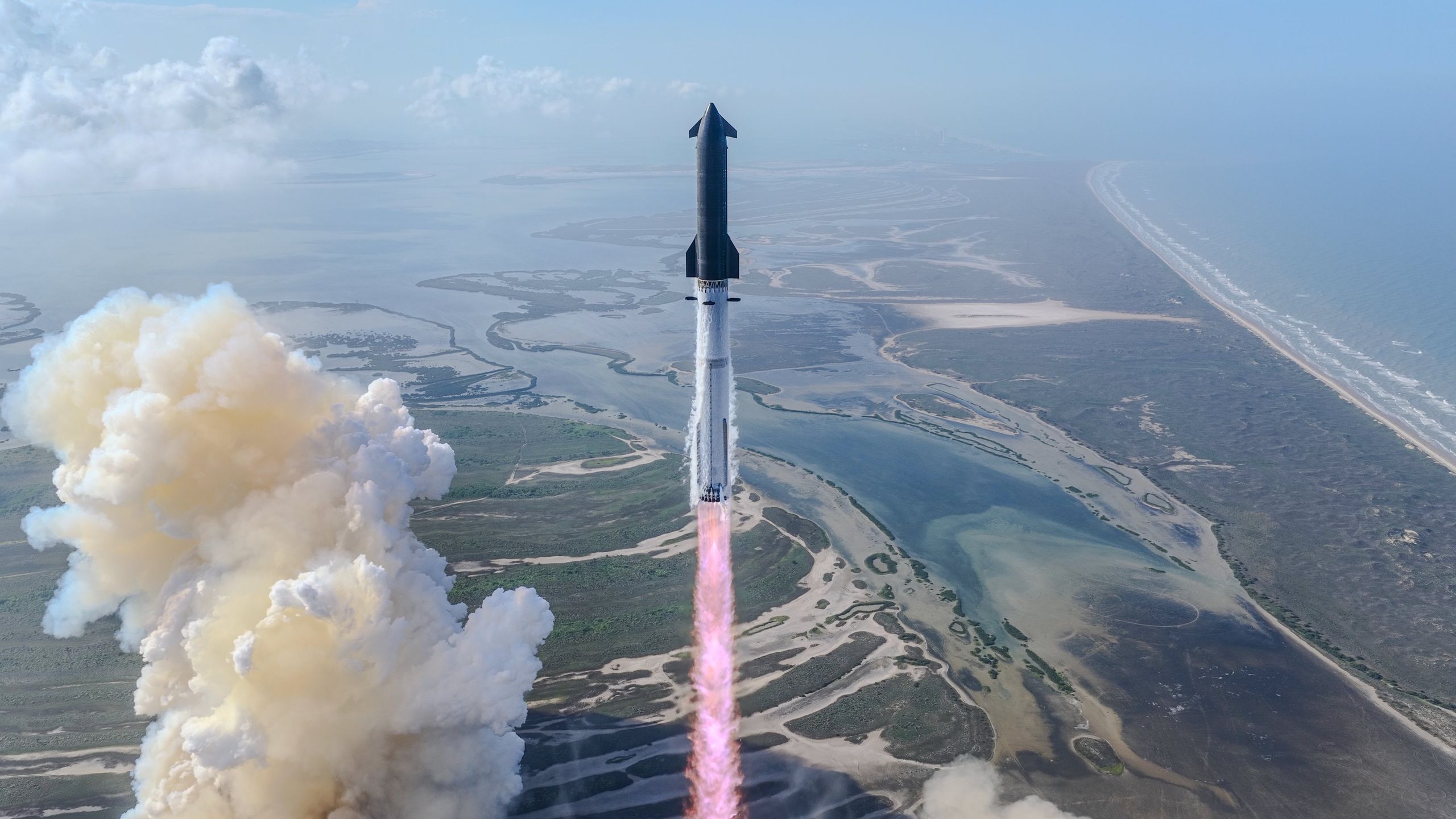
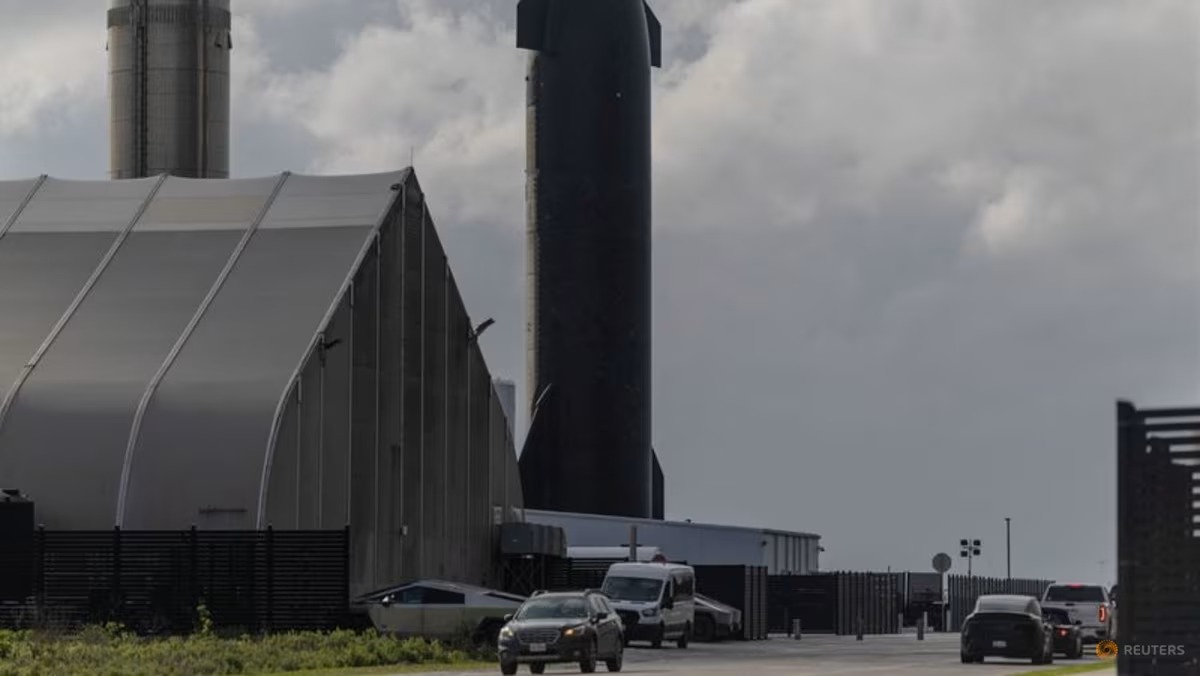
Morgan Stanley’s sum-of-the-parts analysis tells a more nuanced story. The “Space” segment, which encompasses Falcon rockets, Dragon capsules, and the Starship program, has been bleeding money. Heavy investment in Starship development drove operating losses in that division, even as SpaceX overall reported a profit of around $8 billion on revenues between $15 and $16 billion in 2025.