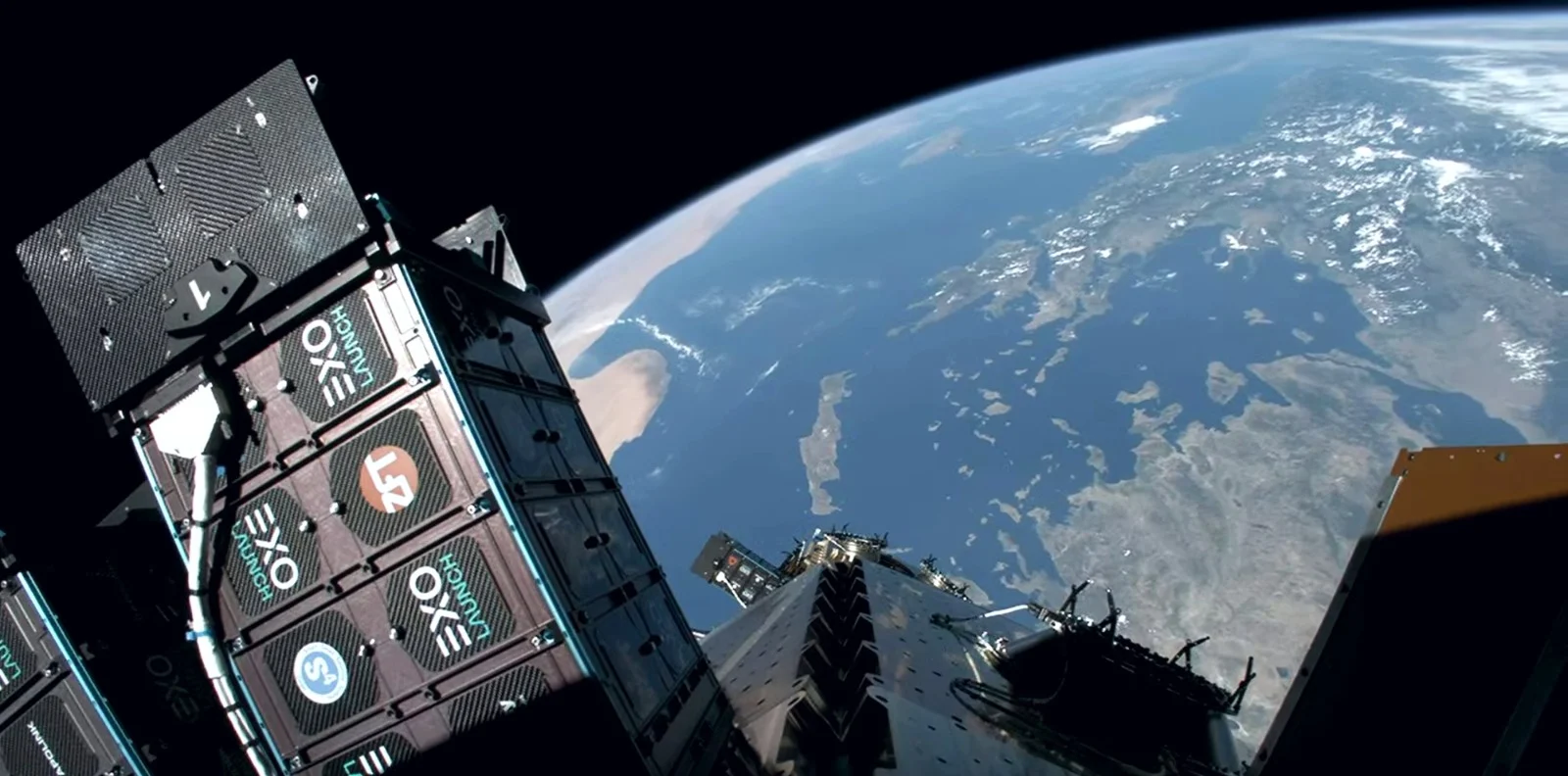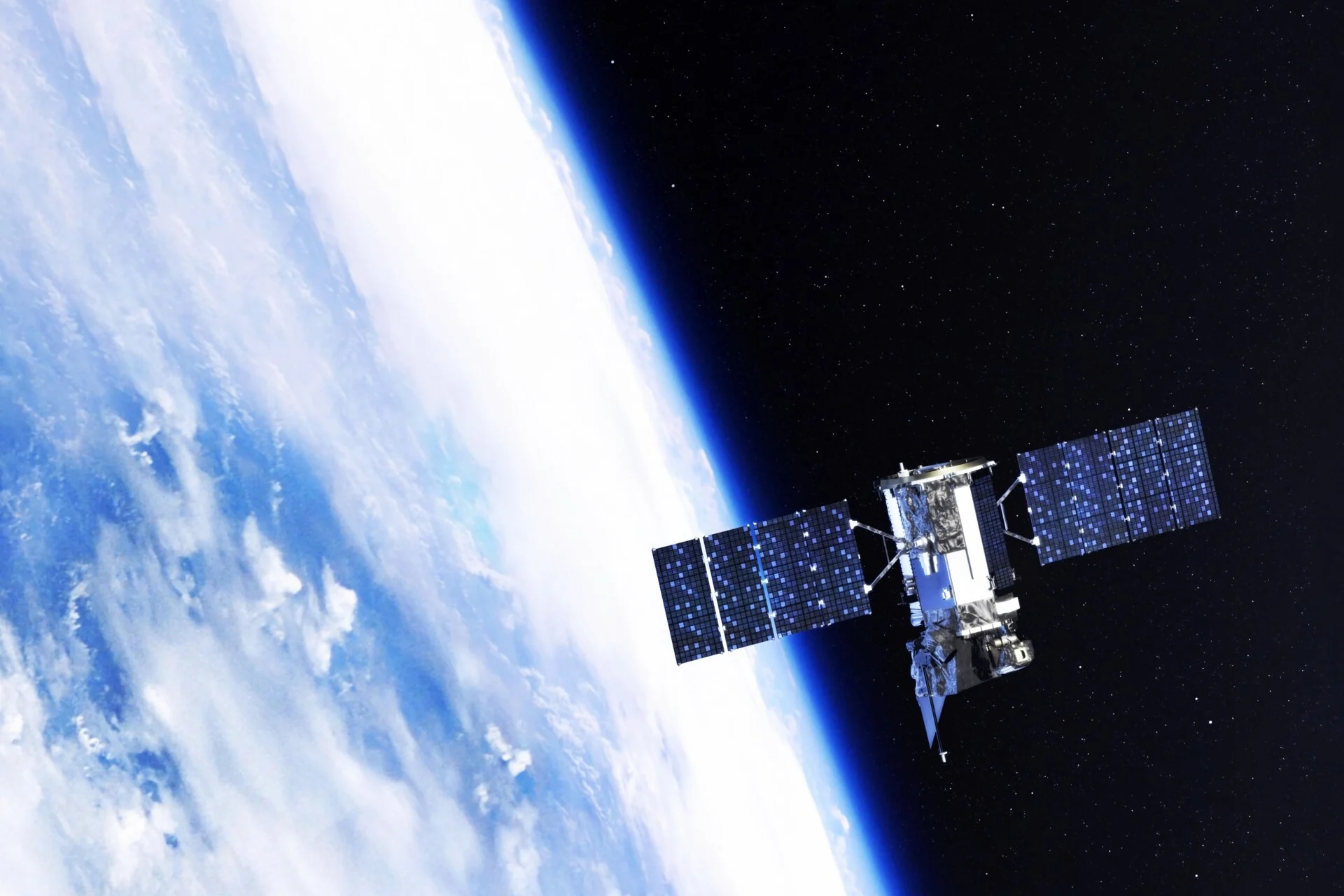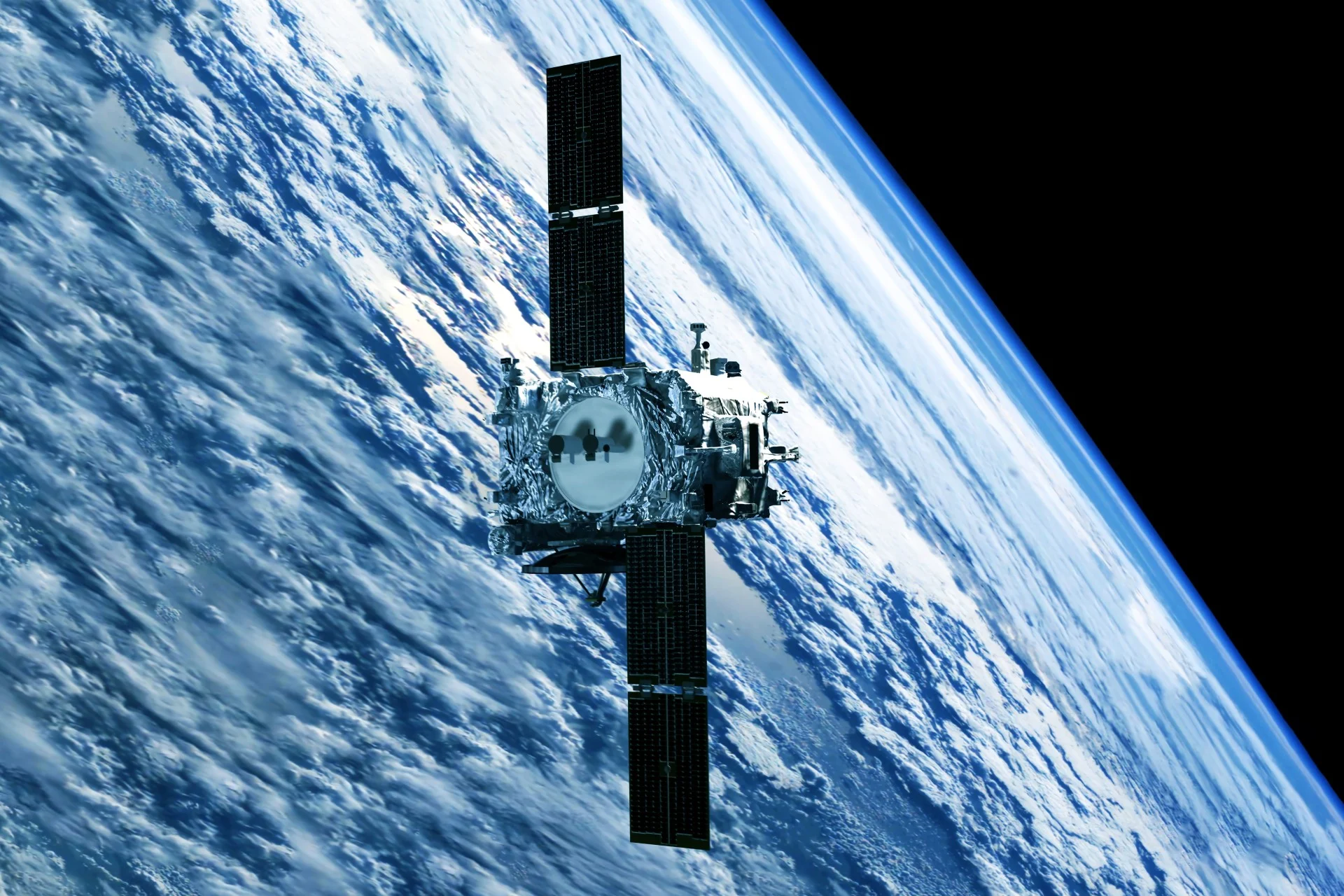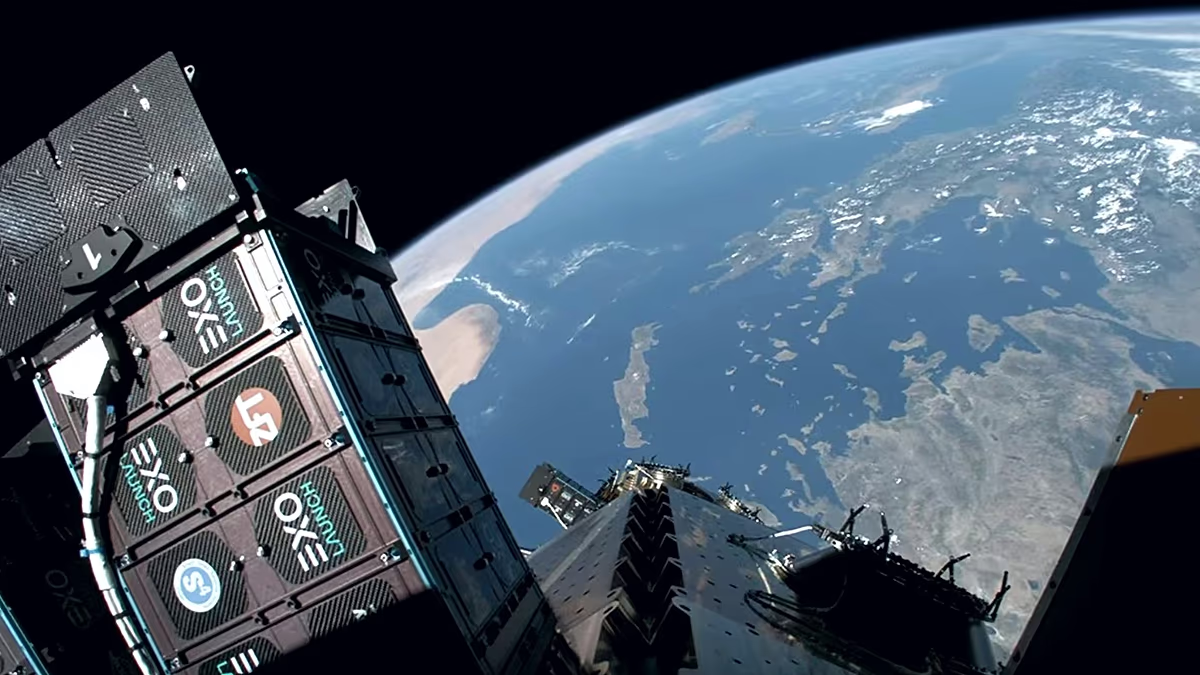
With the successful launch of Hyperion GR-1, Greece has taken another step in developing its national space infrastructure. The first Greek optical microsatellite of the National Microsatellite Programme was placed into orbit around the Earth on Tuesday 7 July, following a launch from Cape Canaveral Space Force Station in Florida on a SpaceX rocket.
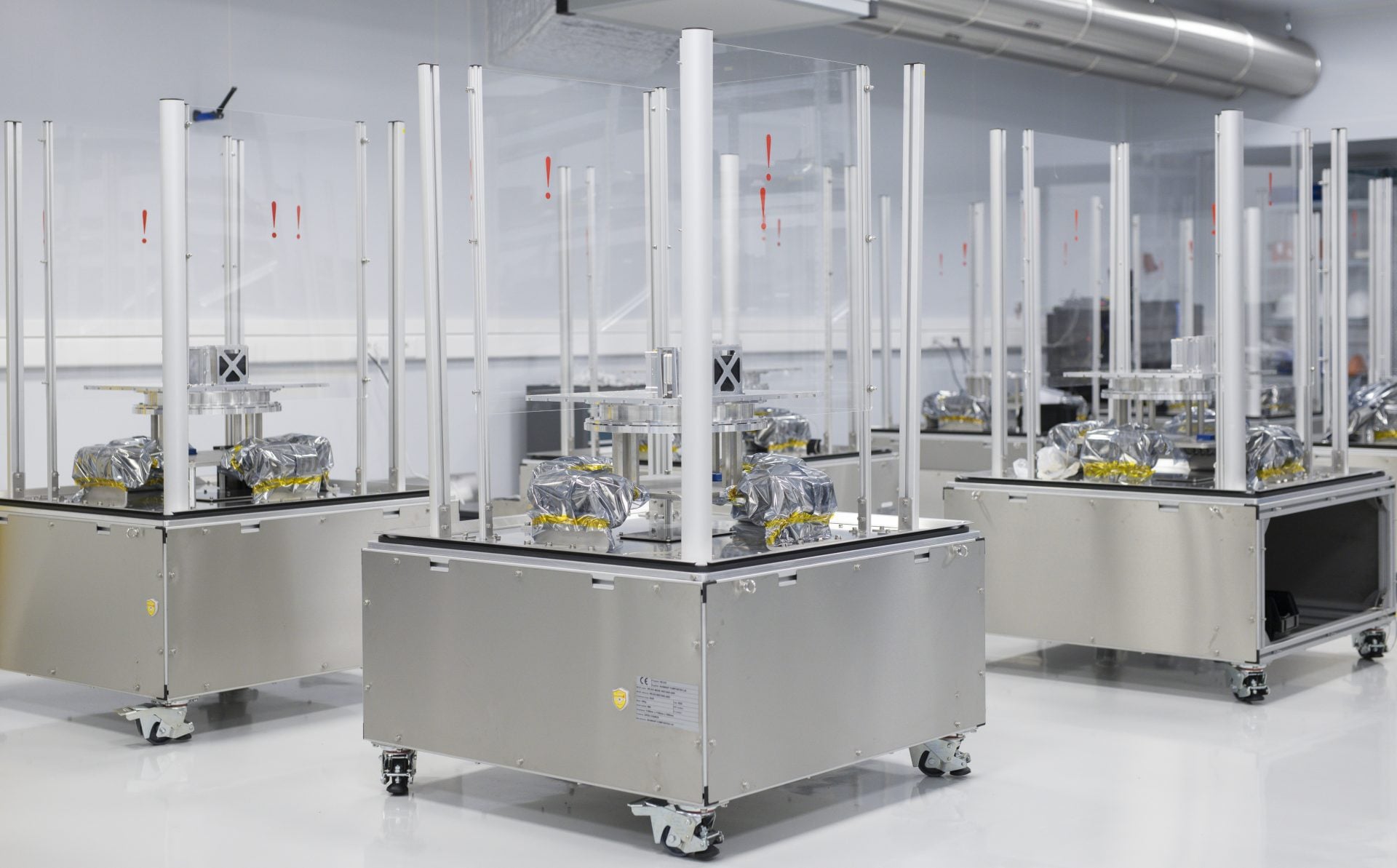
Hyperion GR-1 marks the start of the deployment of a constellation of seven optical microsatellites, which are being built in Greece by Open Cosmos Aegean.
The programme aims to create a modern satellite observation system to support critical public-sector operations, ranging from civil protection and environmental monitoring to maritime surveillance, precision agriculture and the safeguarding of critical infrastructure.
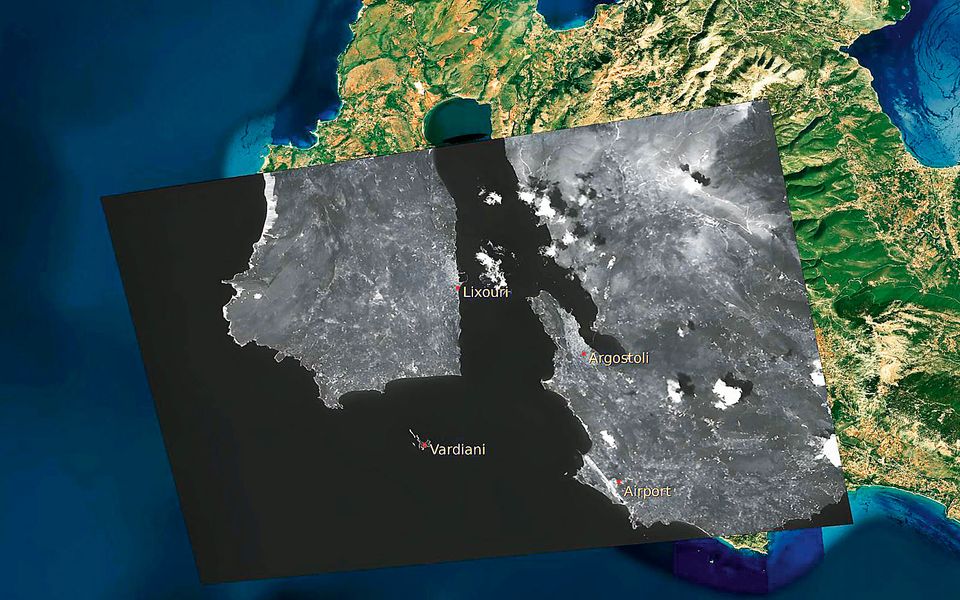
The microsatellite can capture high-resolution multispectral images with a ground sampling distance of up to 90 centimetres, enabling the monitoring of changes in natural and urban environments.
At the same time, it is equipped with onboard data-processing capabilities using artificial intelligence (AI), as well as inter-satellite links to speed up the processing and transmission of information to ground stations.