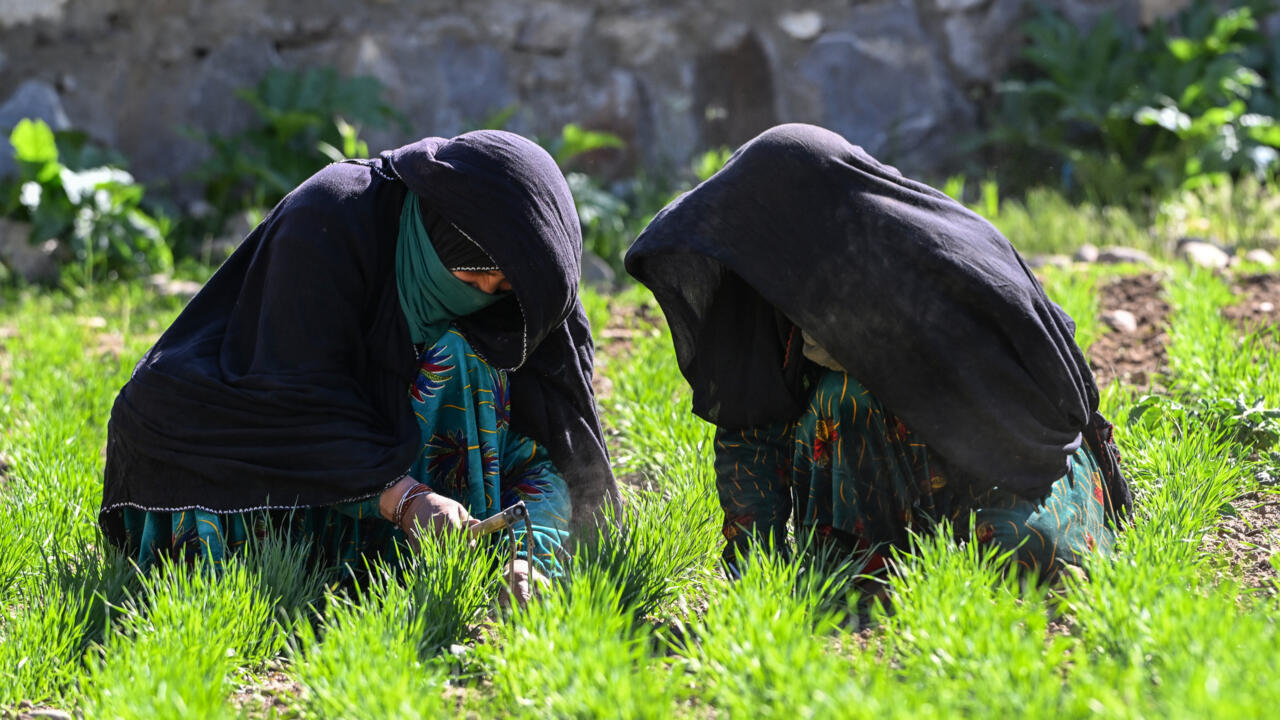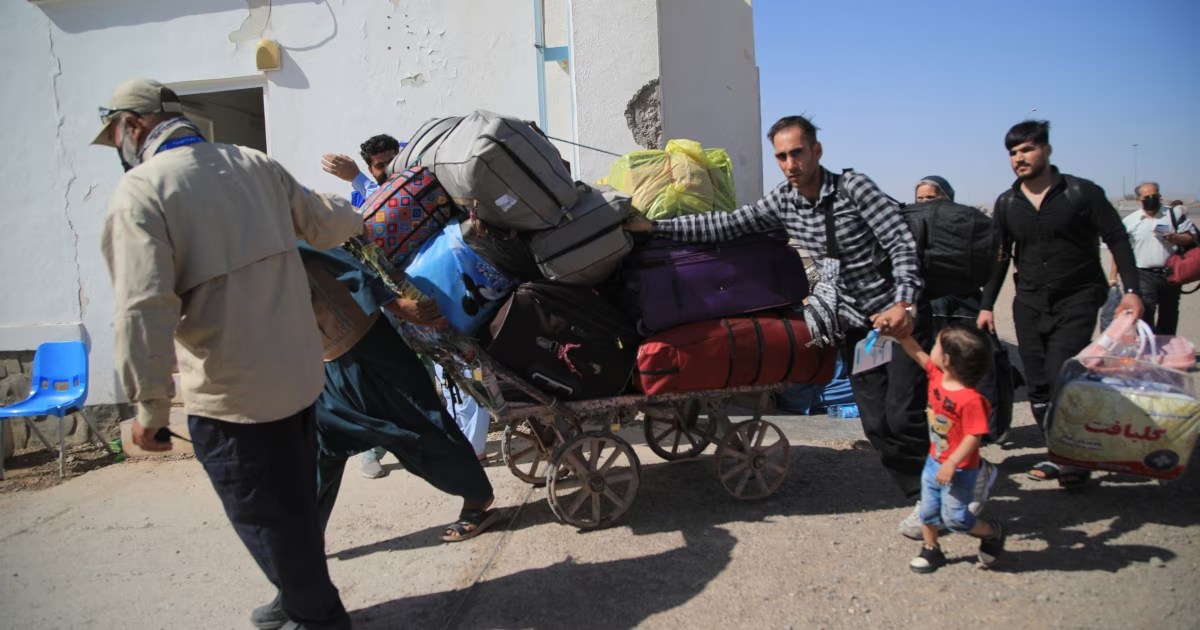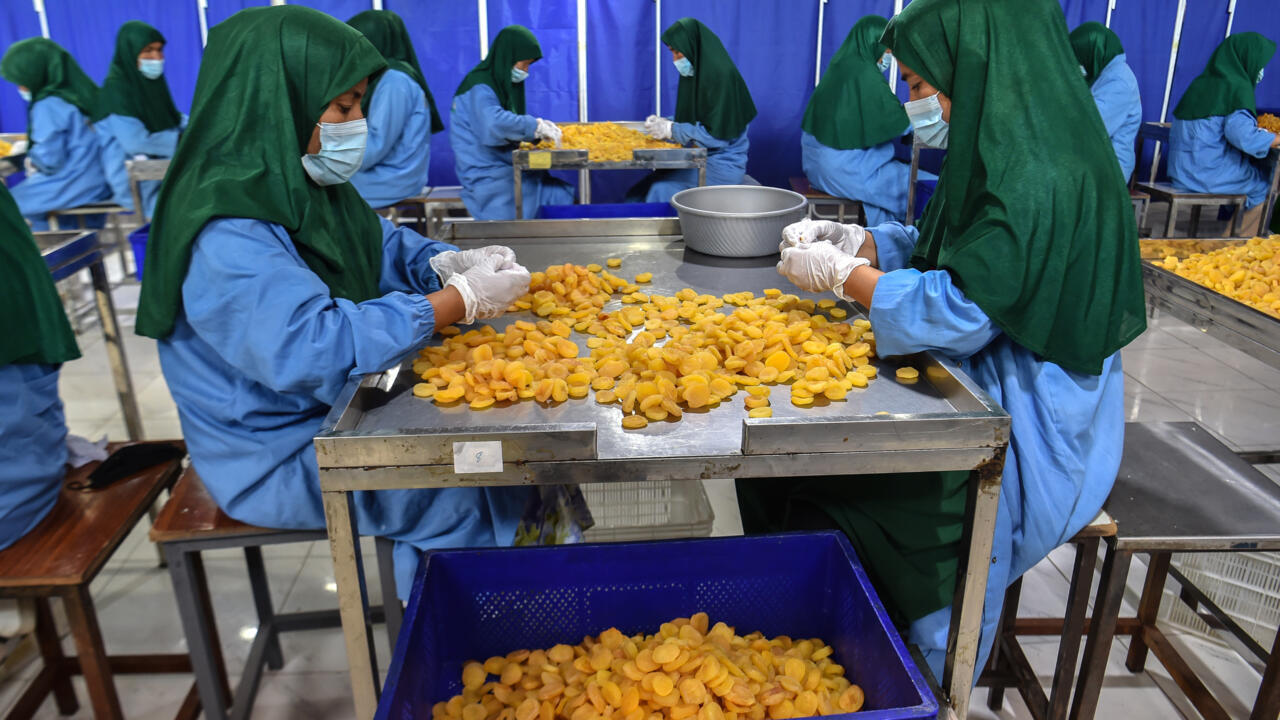
Unlike many, though, she has found a rare glimmer of hope in a stable job at a dried fruit factory in northern Balkh province."There are six of us in my family, and I am the only one working," Ibrahimi told AFP as she sorted raisins in the large factory hall in sweltering summer heat.She lived in Iran for four years, working in greenhouses and as a seamstress, before returning home after Tehran tightened its policies for Afghan migrants.That, combined with a government repatriation drive in neighbouring Pakistan, has resulted in what the United Nations calls one of the largest population repatriation movements globally.More than six million Afghans have been pushed back to a country where jobs are few.The risk of economic destitution is particularly acute for women, with a series of restrictions by Taliban authorities on their movement, work and education leaving many without an income.However, at the dried fruit factory in the historic city of Mazar-i-Sharif, UN backing has helped ensure around 40 percent of the 400 employees are returnees -- many of them women."As girls are not allowed to get an education, it is an opportunity we got to work here, and we are satisfied with our work," Ibrahimi said.Taliban authorities have closed high schools and universities to women and girls over the age of around 12.Aid budgets have been slashed since the Taliban government took power, and were exacerbated by Trump administration cuts last year. Another two million Afghans are expected to be pushed back this year, so the need for work opportunities is only growing.
Women pushed back to Afghanistan pin hopes on rare private sector jobs
Alongside millions of Afghans, 21-year-old Fatima Ibrahimi was forced to return from Iran to a home country in the grips of a humanitarian crisis.
625 words~3 min read