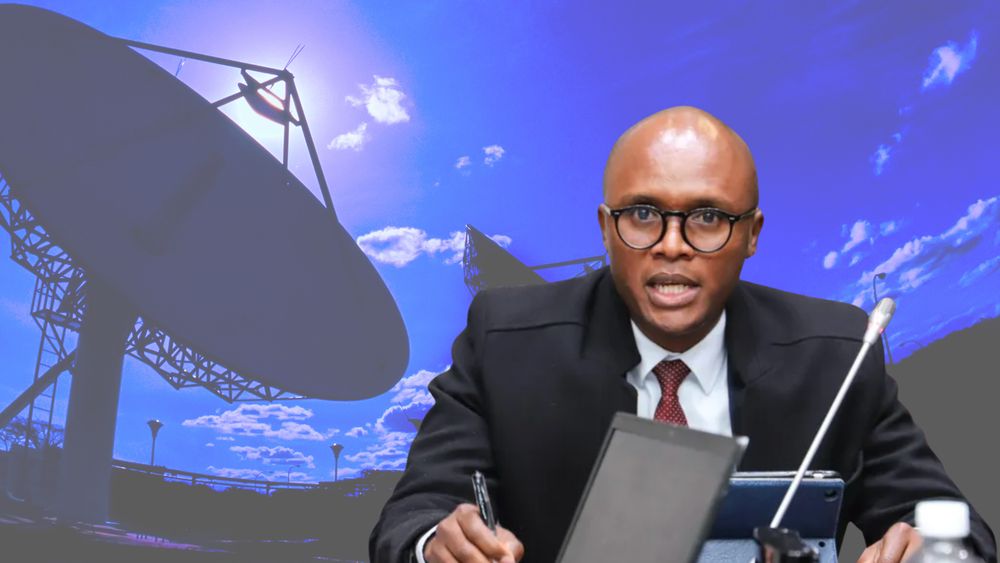
South Africa’s long-running dispute over Starlink has evolved beyond a licensing question into a high-stakes political and economic debate that could shape how Africa’s most industrialised economy balances foreign investment with Black economic empowerment.
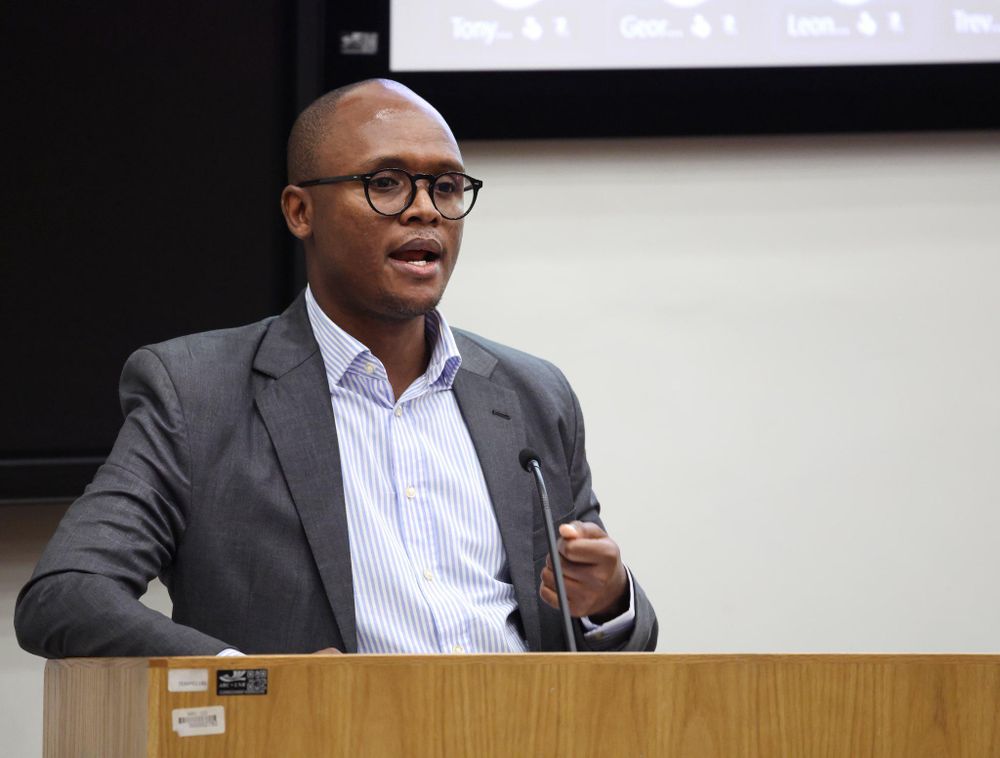
Communications Minister Solly Malatsi has rejected claims that proposed reforms to South Africa’s telecommunications licensing framework were influenced by Elon Musk’s satellite internet company, insisting the policy changes were already part of the government’s reform agenda before any engagement with Starlink.
In a letter to Parliament’s Portfolio Committee on Communications and Digital Technologies, Malatsi said proposals to recognise Equity Equivalent Investment Programmes (EEIPs) as an alternative to existing ownership requirements had been included in the Democratic Alliance’s 2024 election manifesto and the Government of National Unity’s Medium Term Development Plan.
“It is impossible to be unduly influenced to do something one is already doing,” the minister wrote.
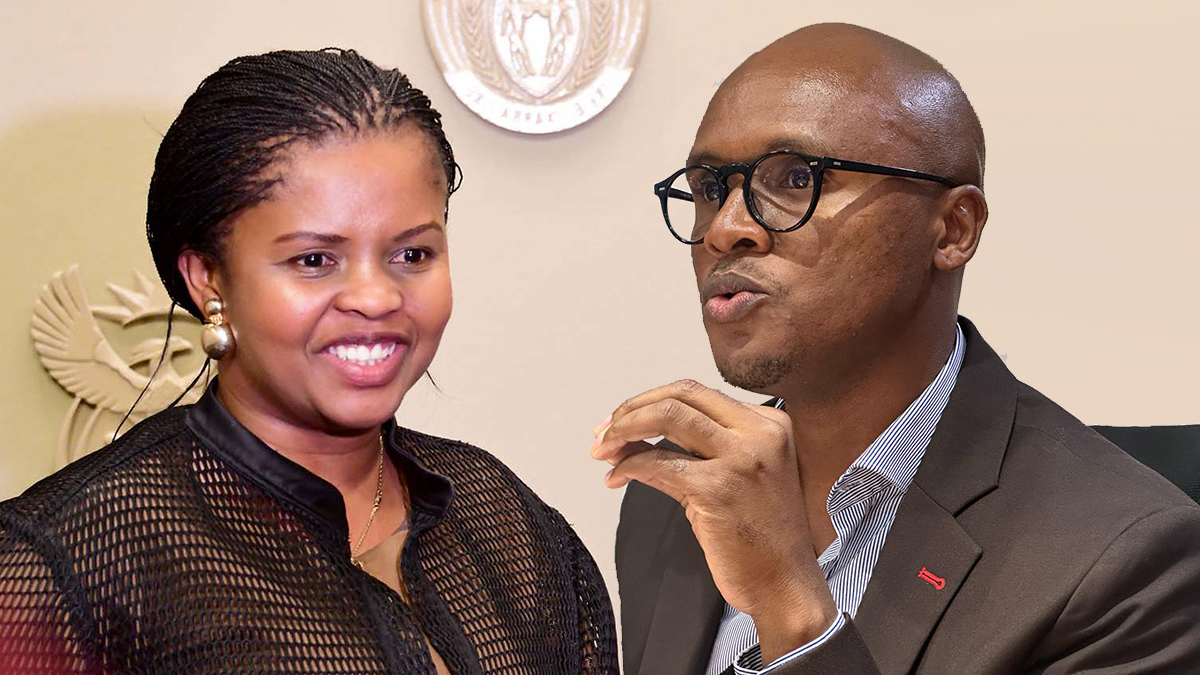
His response follows questions from committee chairperson Khusela Sangoni after allegations that public affairs firm Resolve Communications facilitated engagements between government ministers and private-sector clients, including SpaceX, the parent company of Starlink’s African operations. Resolve has denied the allegations.