Starlink satellite
Starlink – the satellite service owned by Elon Musk’s aerospace company SpaceX – is at the centre of a licensing impasse in South Africa. But while this is a critical legal dispute peppered with politics, an important question is whether South Africa really needs the technology that such low Earth orbit (LEO) satellites bring.
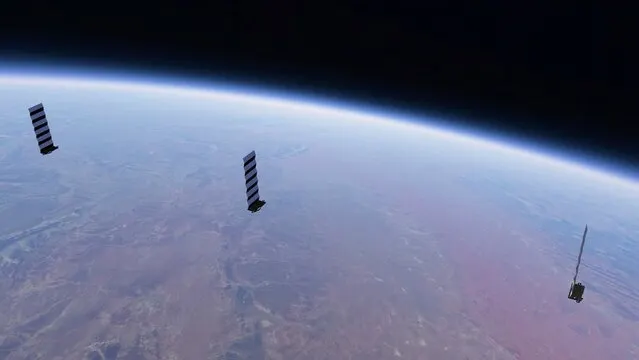
LEOs operate closer to the Earth’s surface than other satellites and can link multiple satellites to offer more speed, greater quality of imaging and less latency.
So, as a LEO satellite system, is Starlink instrumental to South Africa’s ambitious SA Connect programme that seeks to achieve 100 per cent broadband access by 2030? Broadband and satellite connections are not mutually exclusive – internet service providers often use satellite services to extend their networks in remote areas, or to provide backup to maintain supply continuity.
And what is the strategic cost of having a foreign service in South Africa, such as Starlink, which has shown close ties to the United States (US) defence and intelligence? Starlink is also becoming an important geopolitical player by supplying services to track missiles, drones and shipping traffic in the world’s deadliest war zones.