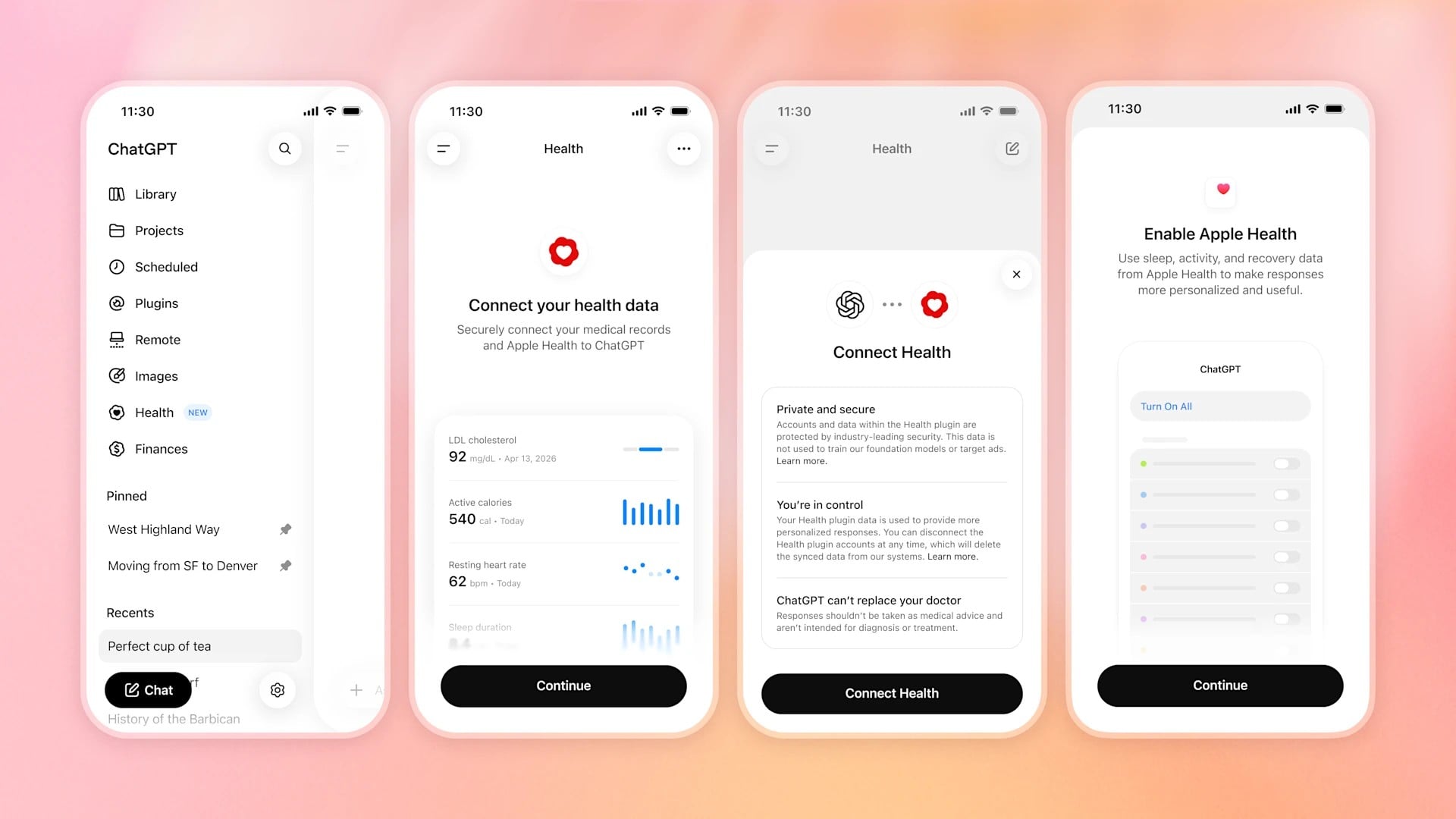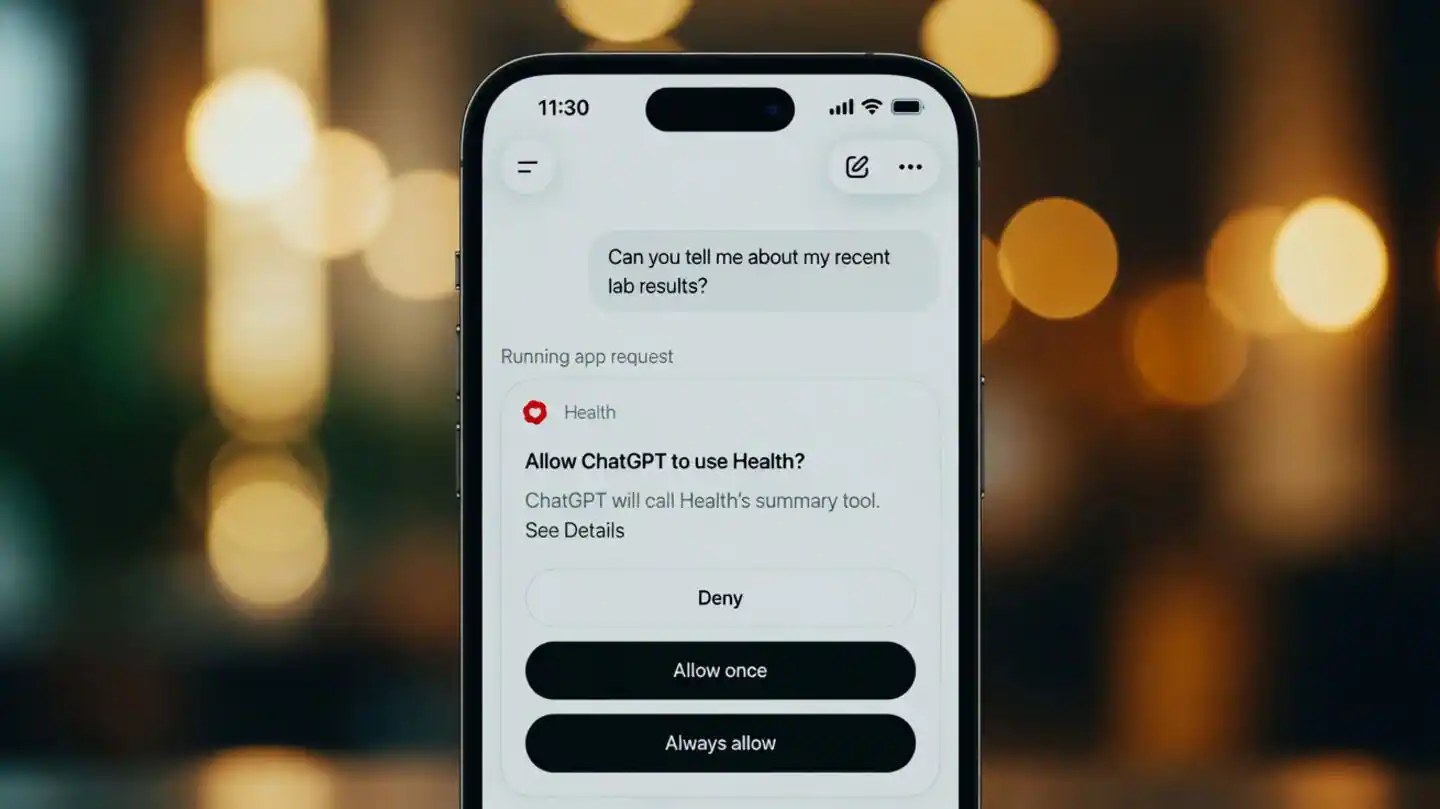
When OpenAI wants to sell the country’s biggest health systems on its healthcare ambitions, it often brings in one person a hospital CEO won’t ignore: Sam Altman.Altman, 41, is OpenAI’s billionaire cofounder, CEO and chief converter of skepticism into purchase orders. He has sold investors, boards of directors and governments on the idea that OpenAI is the engine of the next computing era. Now he is personally making that case to hospitals. Altman's involvement in these sales calls underscores just how central healthcare is to OpenAI’s ambitions. In January, the AI behemoth announced eight major health systems, including Cedars-Sinai Medical Center and HCA Healthcare, are now customers of its enterprise-grade healthcare tools. OpenAI has also tapped hundreds of doctors to make its health answers better for the more than 230 million people globally who turn to ChatGPT for advice every week. It’s rolling out a new version of ChatGPT for clinicians, as well as “ChatGPT Health,” a tab within the main app that allows consumers to securely connect their medical records and their wellness apps, such as Apple Health and MyFitnessPal (it’s waitlist-only currently). And its models power other health companies’ tools to create clinical notes and help consumers understand their lab results. OpenAI has rolled out three new products focused on healthcare in the past six months alone.“It is one of our most important verticals at OpenAI,” says Nate Gross, who leads OpenAI’s healthcare strategy. Gross, who joined OpenAI in 2025, has an MD from the Emory University School of Medicine and an MBA from Harvard and previously cofounded $4 billion (market cap) healthcare network Doximity. While the company is also making a play for other big markets like education and finance, Gross says, “everyone experiences health issues and this is an opportunity to help everyone.”“Health is one of our most important verticals at OpenAI.”
How OpenAI Plans To Win Over Doctors, Patients And Hospitals
The AI juggernaut is all-in on the healthcare industry, launching three new products in the last six months. But it needs to make sure ChatGPT is accurate enough for the millions of people who already use it for health advice.
2,093 words~10 min read