The massive decline in oil prices over the past few weeks has gifted the Trump administration with some unexpected leverage in its ongoing negotiations with Iran.
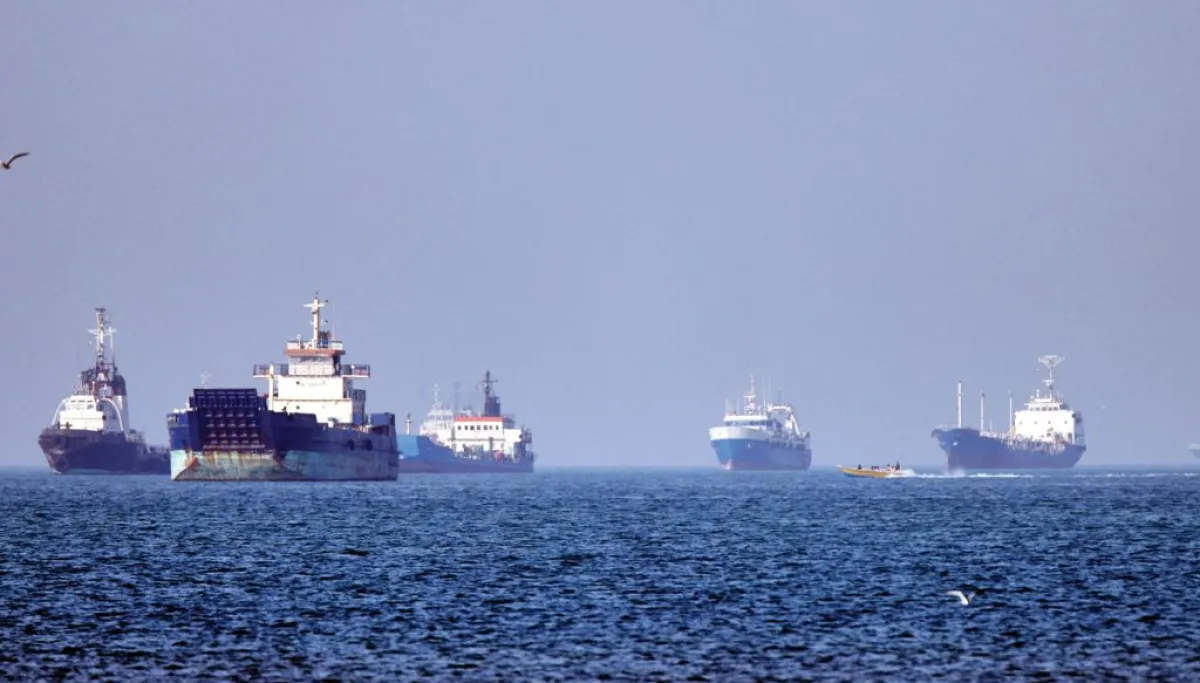
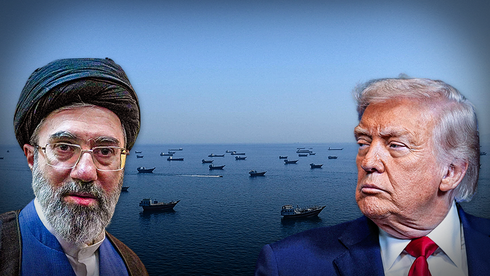
Despite an obliterated navy and air force, Iran wielded significant economic power in the spring. It effectively closed off the Strait of Hormuz to oil tanker traffic by threatening vessels with makeshift drones and explosive-packed speedboats. That persistent threat kept oil prices high through March, April and May, sending gas prices surging and global oil inventories to dangerously low levels.
But now, the Strait of Hormuz is gradually reopening. Oil traders expect the historic oil supply shortage to quickly turn into a major glut as the world is flooded with crude. That’s why Brent crude hovers right around $70 a barrel, trading below its price from two weeks before the war – despite an attack on a tanker Monday.
Low crude inventory levels remain a concern, and the oil market isn’t precisely where the Trump administration would like it just yet. But the shockingly low price of oil has eased pressure off US negotiators to sign a quick and potentially lopsided deal in favor of Iran – buying the Trump administration some much-needed time.