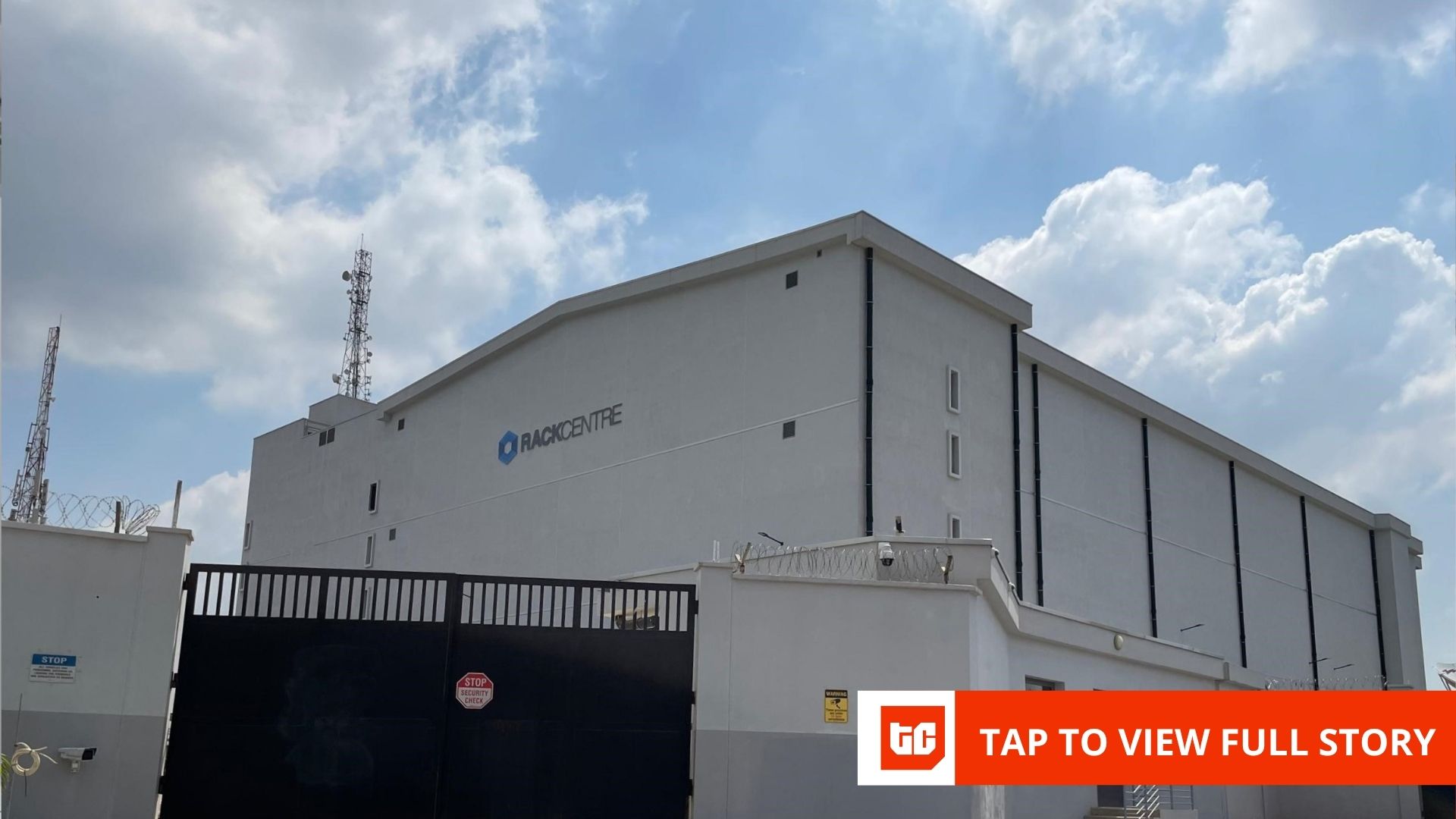
Nigeria is forcing its financial sector to repatriate one of its most valuable assets: data. Under a sweeping Central Bank directive, banks, fintechs, and payment companies must move their transactional data from overseas cloud servers to data centres inside Nigeria by January 1, 2027.
The mandate sets in motion one of the country’s largest cloud migrations to date, shifting critical financial data from global hyperscalers to domestic infrastructure. Whether Nigeria’s data centre industry is ready to absorb that demand could determine how smoothly the transition unfolds.
The answer is high-stakes, given that digital payments have become the absolute backbone of the nation’s economy. According to data from the Nigeria Inter-Bank Settlement System (NIBSS), the value of electronic transactions surged 80% to a record ₦1.07 quadrillion (approx. $702 billion) in 2024, up from ₦600 trillion ($393.6 billion) the previous year, with total volumes climbing to 11.2 billion transactions. Managing a financial engine of this magnitude locally will be the ultimate test for Nigeria’s data centers.
Yet much of the cloud infrastructure underpinning these transactions still resides on foreign platforms such as Amazon Web Services (AWS), Microsoft Azure, Google Cloud, and IBM Cloud.