Nigeria’s decision to require banks and financial technology companies to keep payment data within its borders is emerging as more than a regulatory compliance exercise.
Industry leaders now see the policy as the foundation for a broader data sovereignty agenda that could extend to sectors such as oil and gas, manufacturing and government, while unlocking a fresh wave of investment in cloud infrastructure, artificial intelligence (AI) and hyperscale data centres.
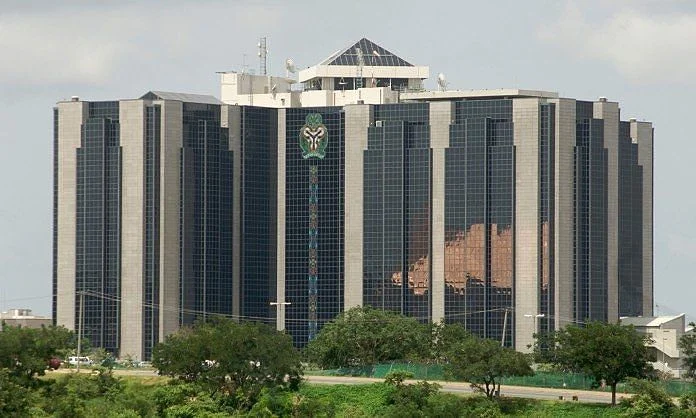
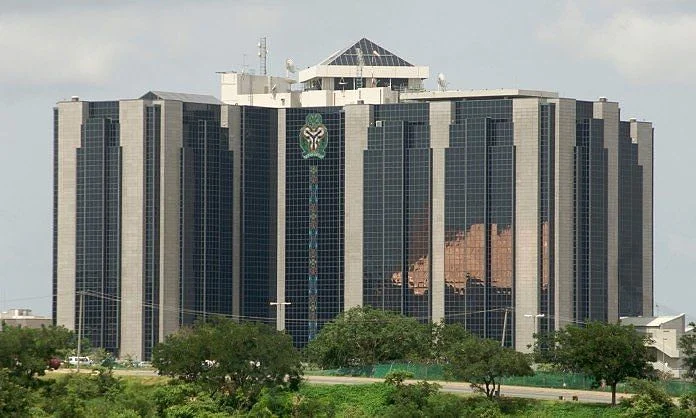
The Central Bank of Nigeria (CBN) recently directed banks, payment service providers and fintech firms to localise payment-related data by January 1, 2027. While the directive primarily targets the financial sector, technology executives believe it signals the beginning of a wider national strategy to ensure that critical Nigerian data is stored, processed and managed within the country.
Read also: SMEDAN secures $12m Korean support for skills acquisition centre
That was the dominant message at a forum organised by Hyperscalers Africa with the theme, “From Regulation to Infrastructure: What the CBN’s Data Localisation Directive Means for Nigeria’s Digital Economy.”