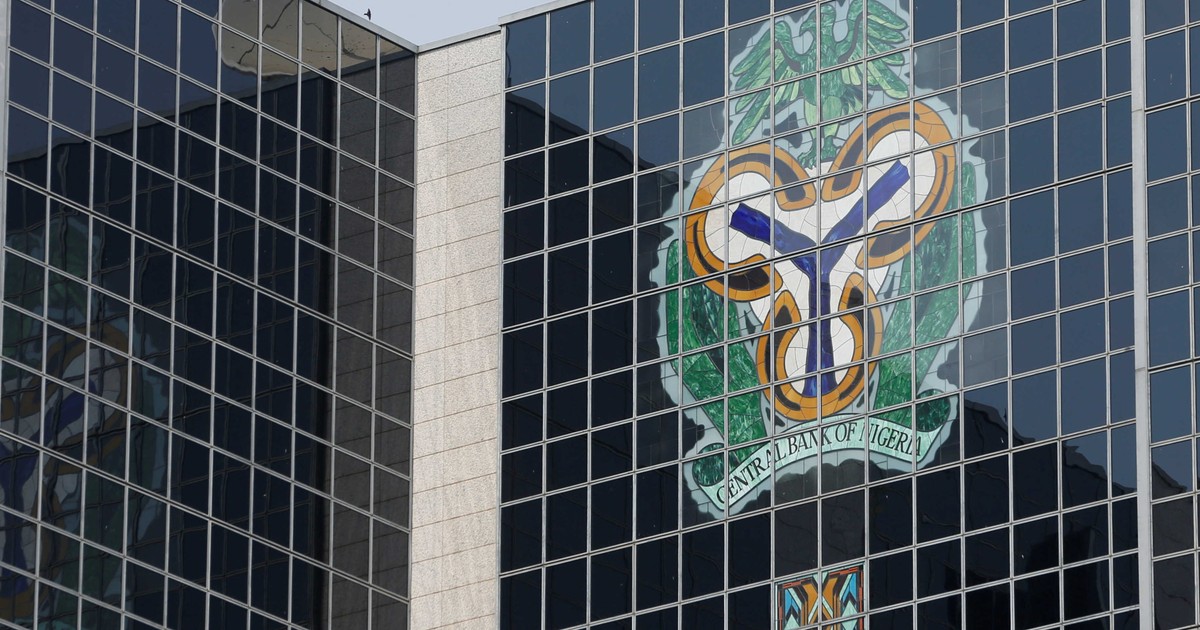
Nigeria is moving to bring its financial data closer to home as the Central Bank of Nigeria tightens control over one of Africa’s fastest-growing digital payments markets.
The apex bank has directed banks, fintech companies, mobile money operators and other payment service providers to ensure that payment transaction data generated in Nigeria is stored and managed within the country by January 1, 2027.
The rule is part of a wider regulatory overhaul covering data localisation, ownership disclosure, market structure and systemic oversight in Nigeria’s payments system.
The policy may sound technical to consumers. But it touches one of the most sensitive parts of modern finance: who controls payment data, where that data is stored, and how easily regulators can access it when risks emerge.
Nigeria’s payments industry has grown rapidly over the past decade, driven by mobile banking, agency banking, fintech apps, card payments and online transfers.