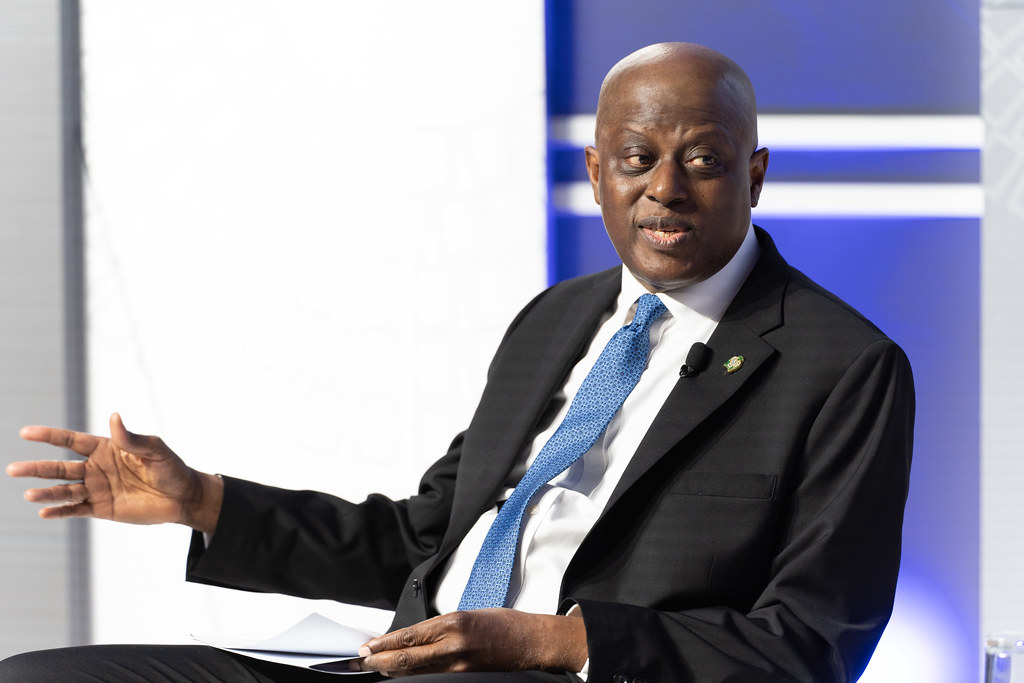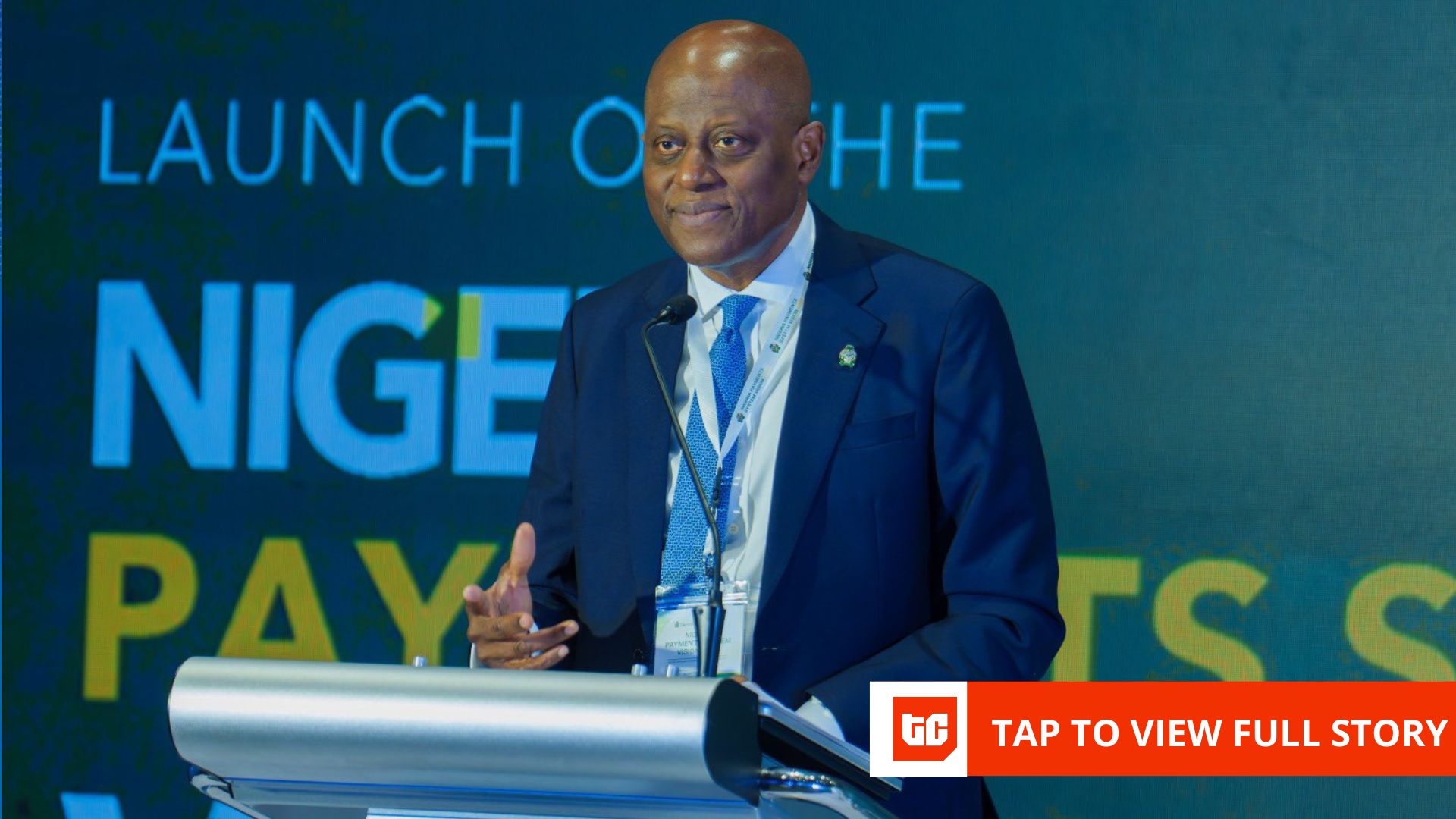
James Emejo writes that the launch of the Central Bank of Nigeria’s Payments System Vision 2028 marks more than the unveiling of another policy framework
For years, Nigeria’s payments ecosystem has been celebrated as one of Africa’s most innovative, producing real-time payments infrastructure, fostering fintech growth and driving the continent’s digital finance revolution. Yet, despite these achievements, millions of Nigerians remained outside the formal financial system, electronic fraud continued to threaten trust, and the country’s innovations remain largely underappreciated globally.
Against this backdrop, PSV 2028 emerges as a bold national blueprint designed to push financial inclusion to 95 per cent, bring an additional 15 million Nigerians into the formal financial system, deepen payment penetration, strengthen trust and security, and position Nigeria as both a continental and global payments powerhouse.
However, beyond the lofty targets and policy declarations, discussions during the launch revealed that the true challenge lies not in technology itself, but in affordability, accessibility, execution, collaboration and trust. The accompanying panel session brought together regulators, infrastructure providers, fintech leaders and inclusion advocates whose interventions collectively exposed both the promise and complexity of achieving the vision.