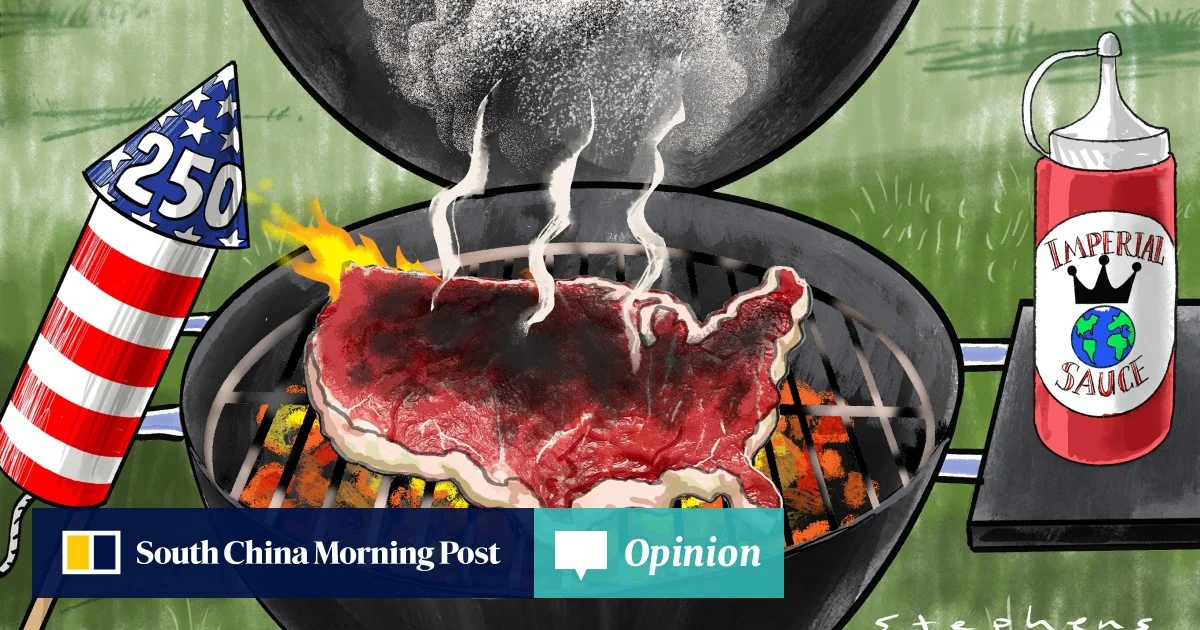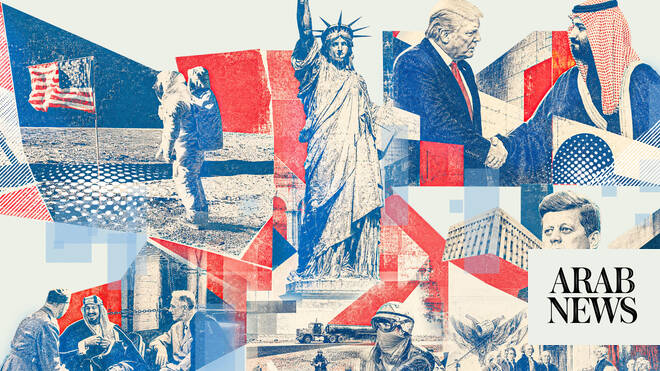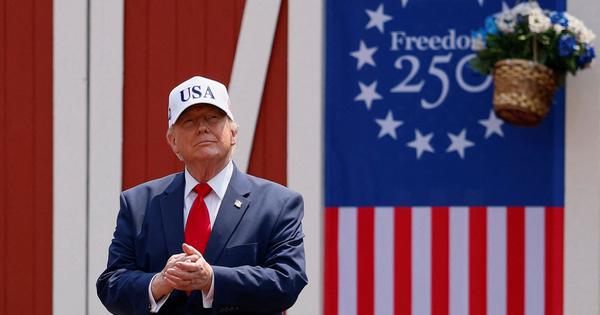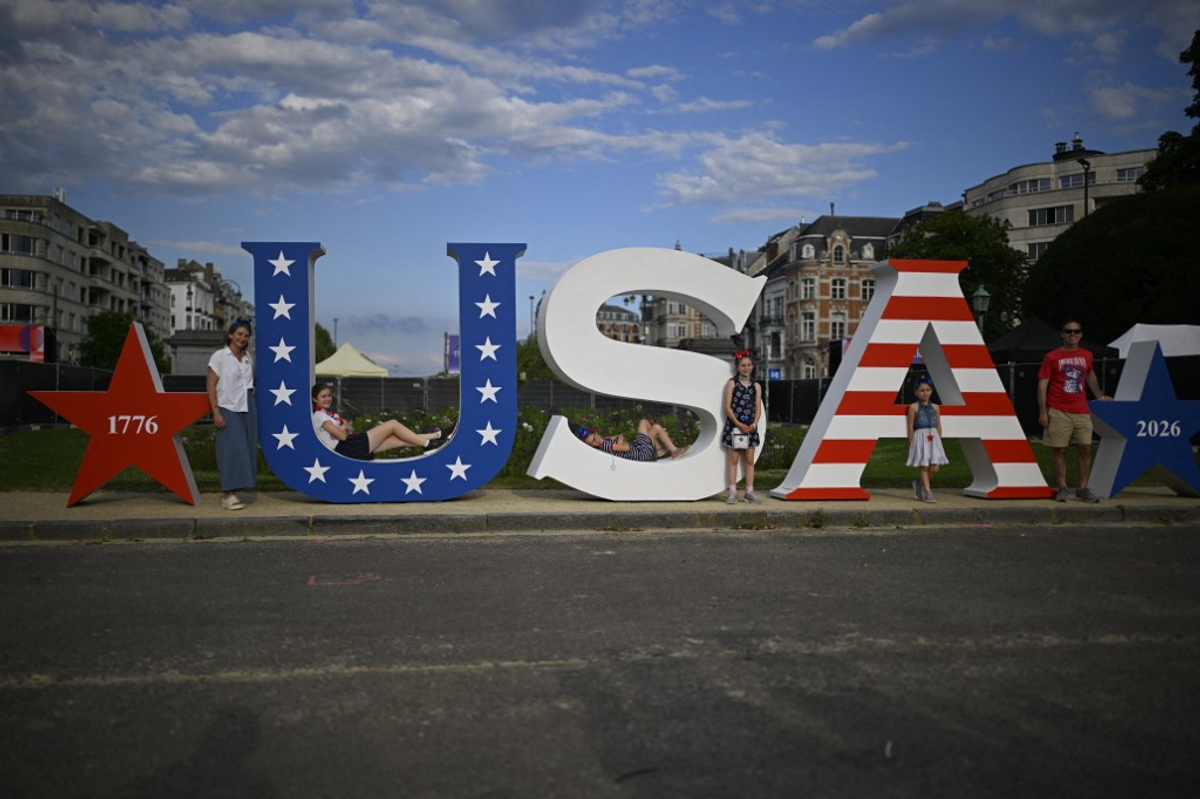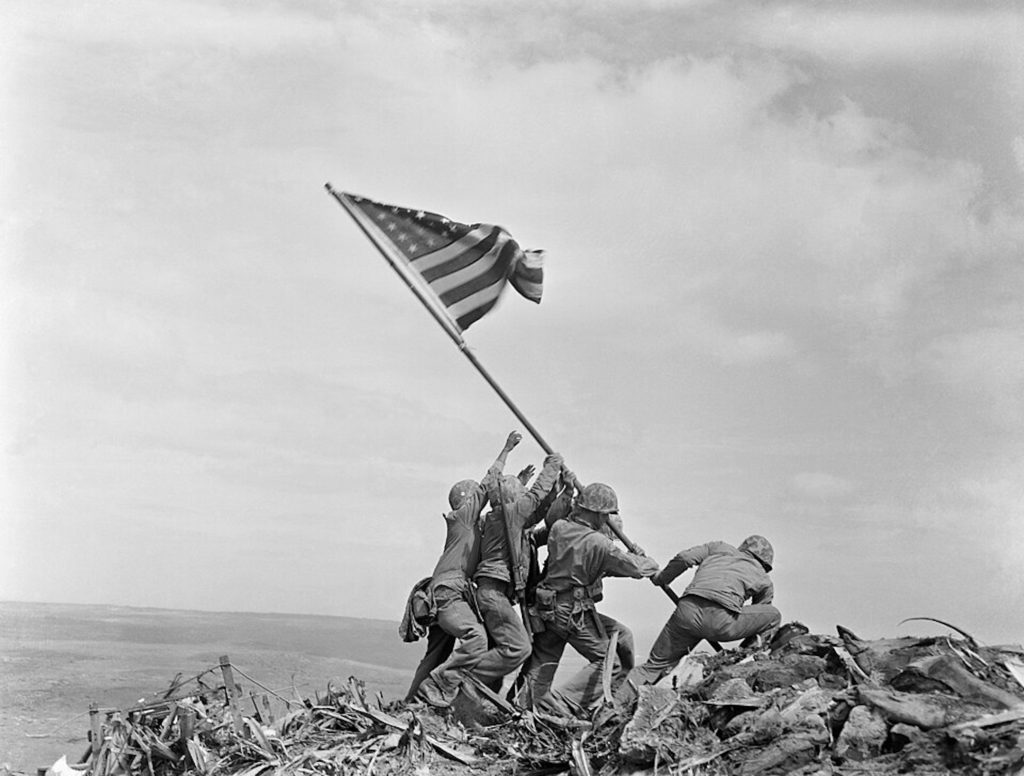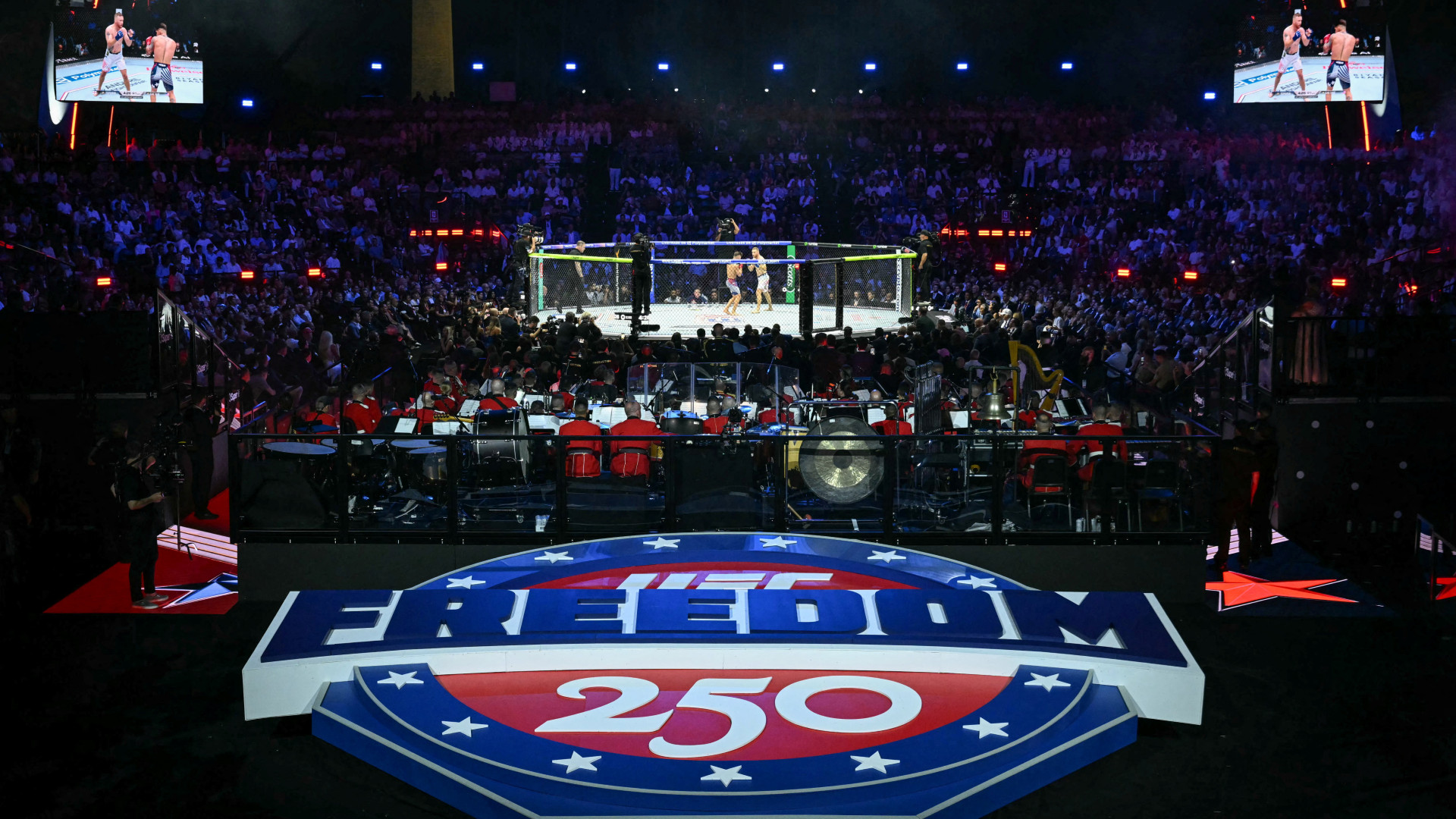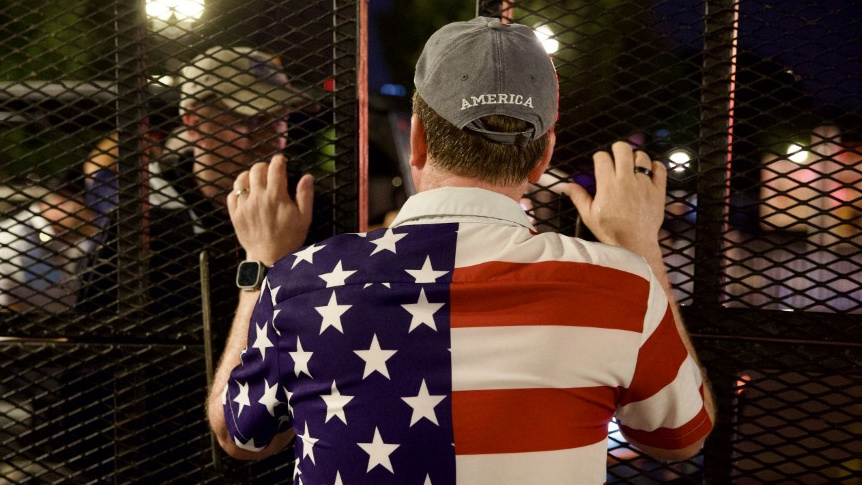
On the fourth of July, the United States turned 250 - an event that summoned the founders who spoke of a republic seeking “a decent respect to the opinions of mankind”, rather than dominion over them.
Yet the story that matters most for our own moment does not begin in 1776. It begins 35 years ago, with the collapse of the Soviet Union - the moment the US mistook the disappearance of its main rival for a mandate to remake the world in its own image.
What followed was an overdrive of hubris. Washington read the unipolar moment of 1991 as a global manifest destiny, and set about entrenching its primacy in every region of the globe.
The mood was captured with startling candour by political scientist and former American national security adviser Zbigniew Brzezinski in The Grand Chessboard (1997), a meditation on how the US might dominate the Eurasian landmass and forestall the rise of any power capable of challenging it.
Primacy ceased to be a momentary fact and hardened into a doctrine - and, for a generation of US policymakers, an obsession that no defeat seemed able to shake.