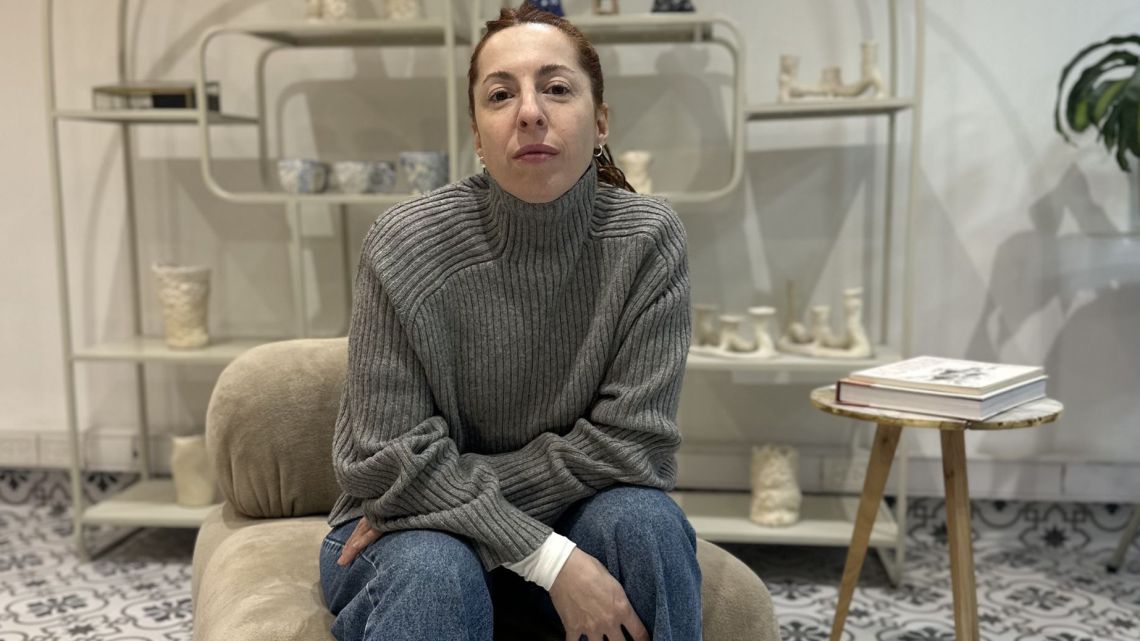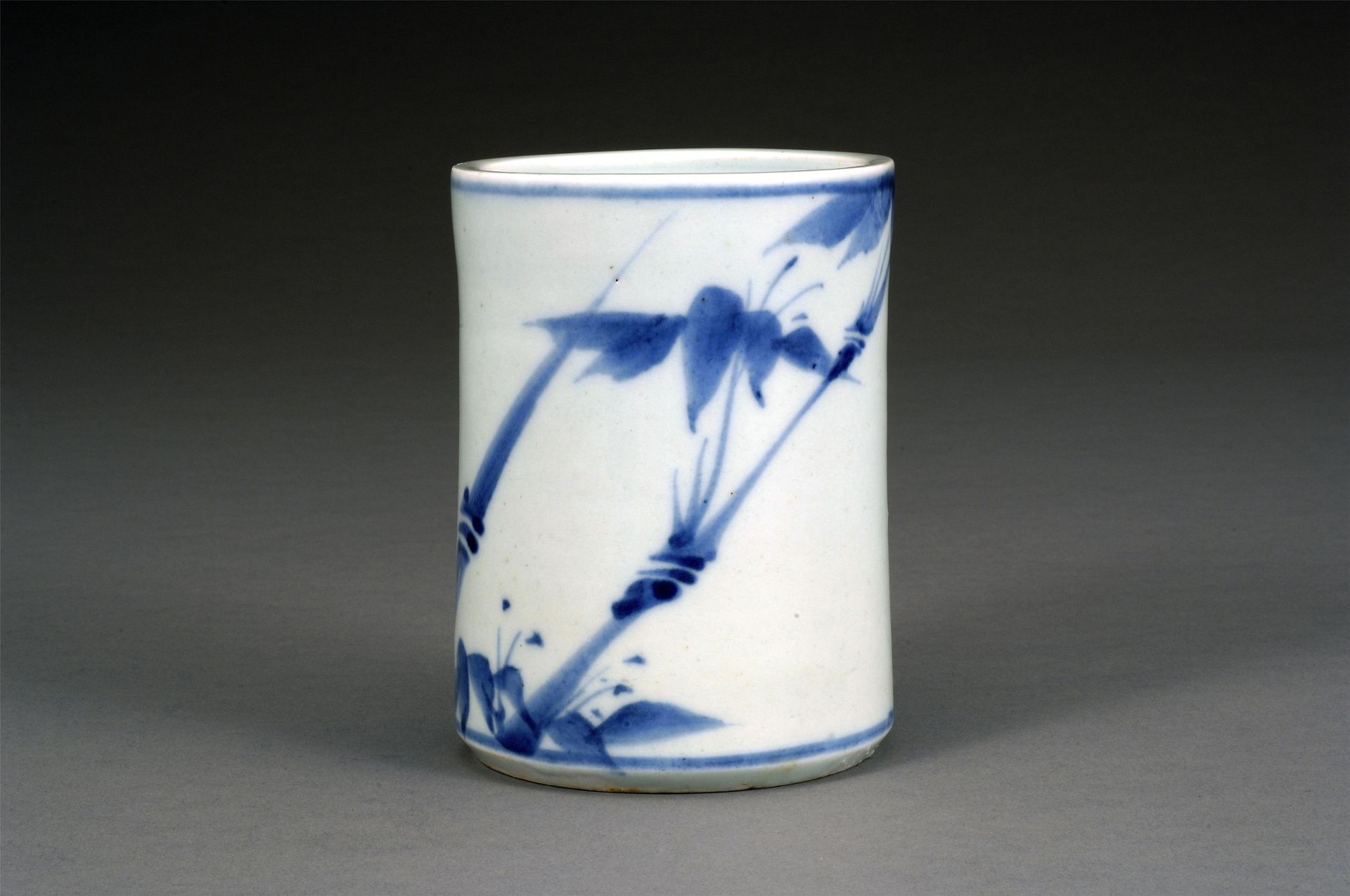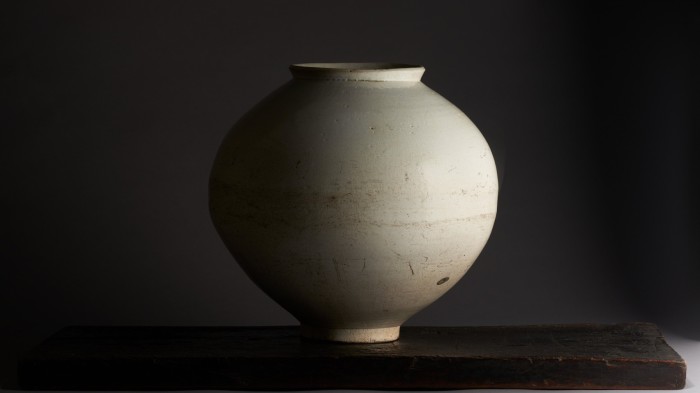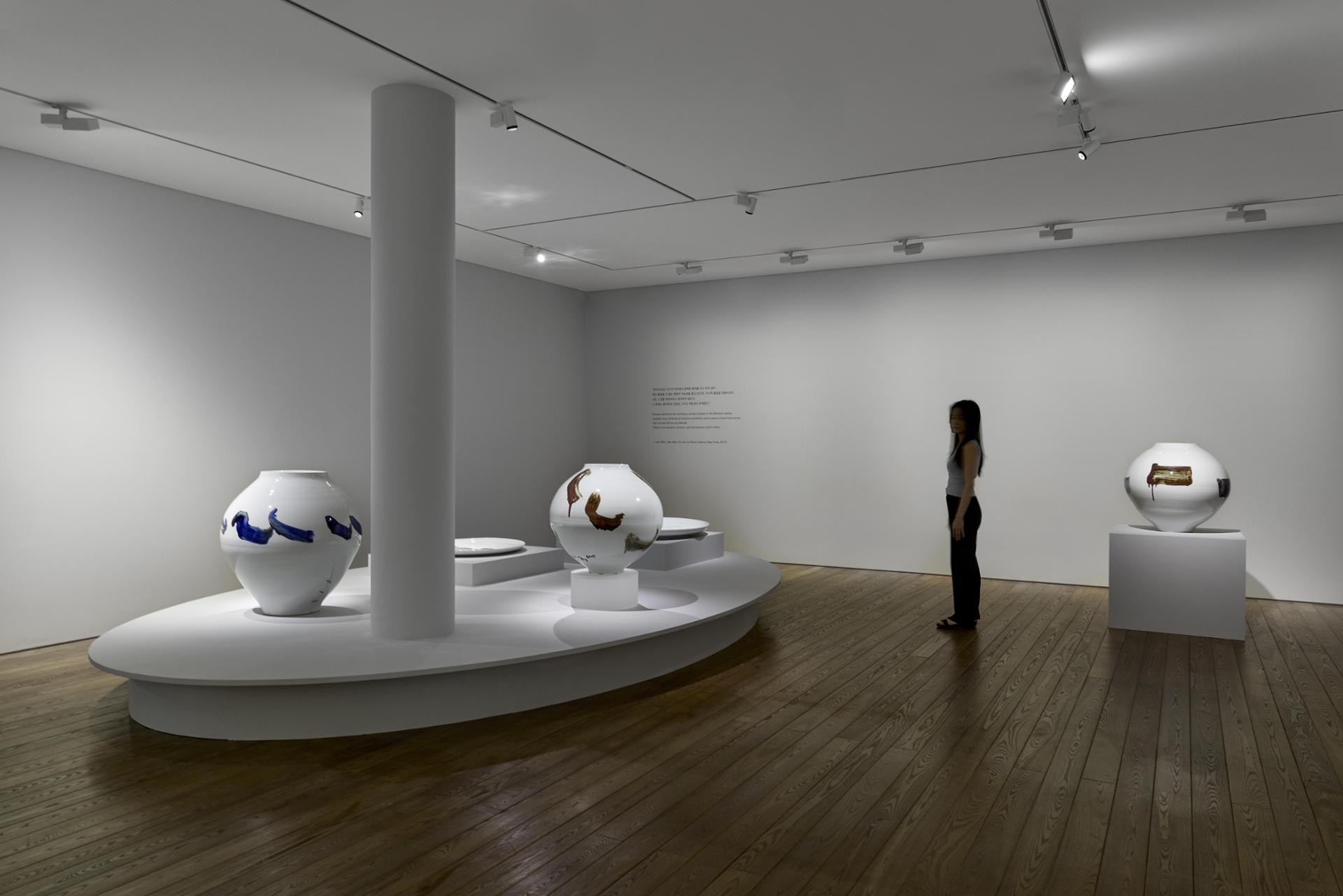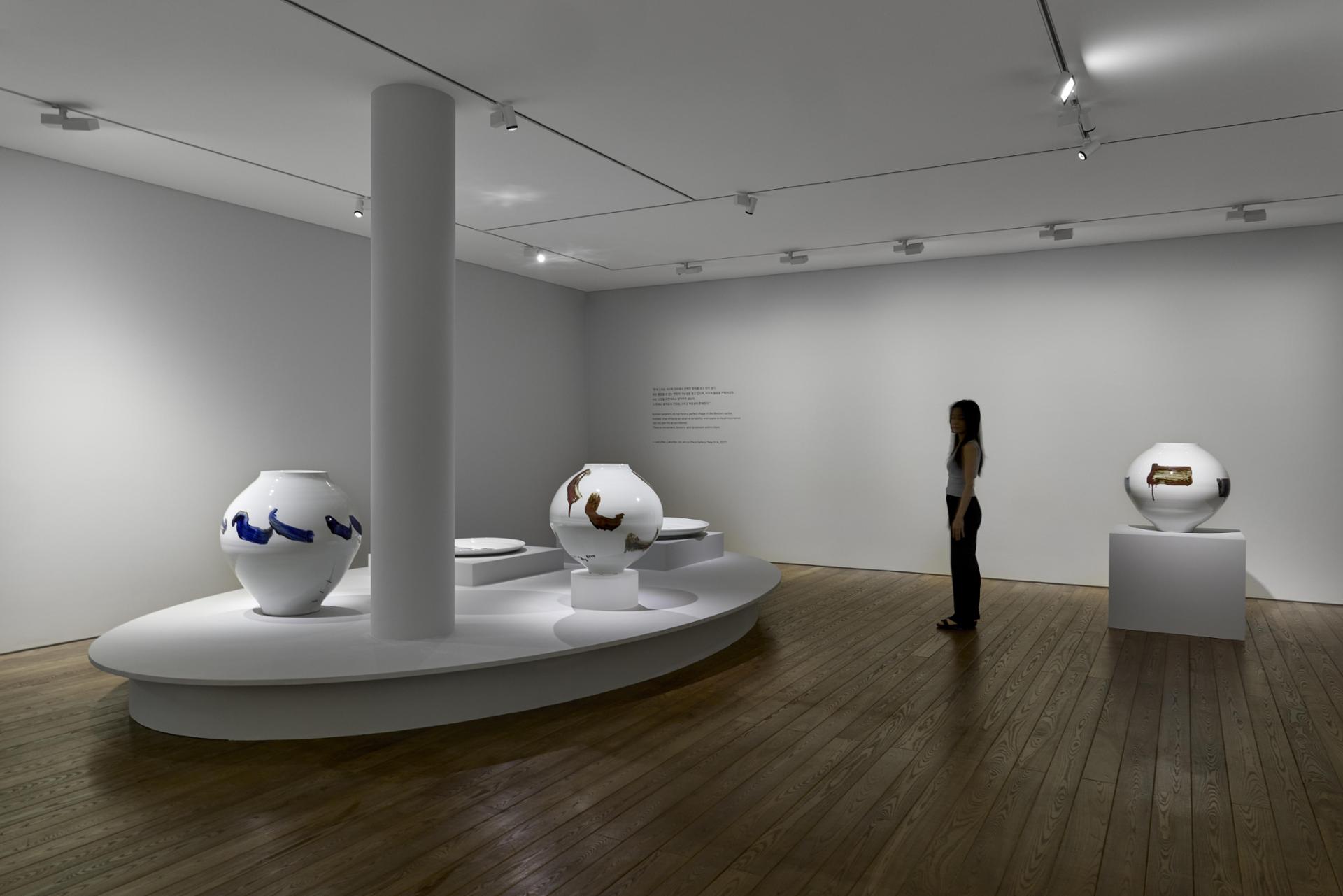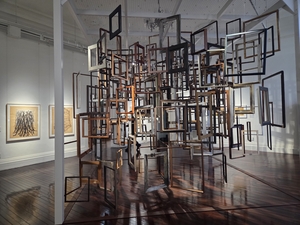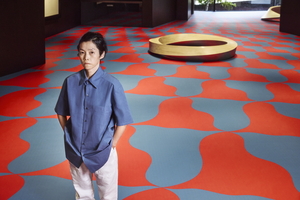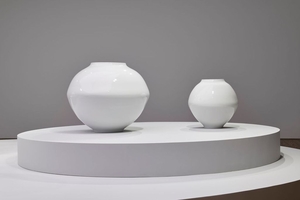
Installation view of "Park Young Sook: When Form Meets Gesture" at Pace Gallery in Seoul (Courtesy of the gallery) Stepping into ceramic artist Park Young-sook's studio in Gyeonggi Province, the first thing that greets visitors is not the gleaming white moon jars for which she is known, but the earthy scent of damp clay.Some of the largest moon jars, standing nearly 60 centimeters tall, have been drying for more than 100 days, still awaiting their first firing. Their pristine white surfaces have turned an earthy brown as impurities gradually emerge from the clay."The clay is naturally releasing everything it has been holding," Park said. Installation view of "Park Young Sook: When Form Meets Gesture" at Pace Gallery in Seoul (Courtesy of the gallery) Each moon jar is fired three times in a kiln exceeding 1,300 degrees Celsius. Decades of experience have taught Park how to control countless variables — from clay composition and glaze chemistry to firing temperatures and cooling speeds — through what she describes as her own "chemical formula."Yet even after more than 40 years, she believes the final outcome never belongs entirely to the maker."Ceramics are beyond human control. Once a piece enters the kiln, it is the fire that does the work. You shouldn't speak too boldly in front of a kiln,” Park said walking away from the kiln.A devout Buddhist, Park says prayer has accompanied her work for decades. Park Young-sook (Courtesy of the artist, Pace Gallery) The moon jar itself embodies imperfection. Traditionally made by joining two separately thrown hemispheres, the vessel retains a faint horizontal seam around its middle — a trace many contemporary ceramicists choose to erase.For her, the seam is not a flaw but evidence of the object's making, preserving the humanity that distinguishes Korean moon jars from the flawless symmetry often associated with Chinese porcelain."The line should remain," she said.At the same time, Park has expanded the traditional form far beyond its historical scale. While Joseon moon jars were typically around 40 to 50 centimeters tall, some of her works exceed 80 centimeters, considered the largest created in Korea."White porcelain is incredibly difficult Even one speck of dust becomes magnified 16 times after firing,” Park said.Park's works have entered major museum collections worldwide, including the British Museum and the Victoria and Albert Museum in London, the Museum of Fine Arts, Houston, and Leeum Museum of Art in Seoul. But the clay comes from somewhere much closer to home.Finding the right clay was a challenge, Park explained.She traveled to Yanggu, a county in Gangwon Province once known for its high-quality porcelain clay, only to discover the deposits had become submerged beneath a river. Other mountains were simply too steep to excavate.She partly attributes the difficulty to Korea’s long history of porcelain clay and ceramic knowledge moving to Japan after the Imjin War (1592-1598).“It is widely known that Korean kaolin was sold to Japan after the Imjin War, much of the usable clay was either taken to Japan or sold off,” Park said Installation view of "Park Young Sook: When Form Meets Gesture" at Pace Gallery in Seoul (Courtesy of the gallery) Then childhood memories tipped her off to a solution.Growing up in Gyeongju, Park remembered freight trains passing through her hometown and roads turning white after rain. When she heard a mine near her hometown was about to close, she rushed there."There was less than a month before the mine closed. I filled sacks with as much white clay as I could carry,” Park said, pointing to piles of clay still stored in her studio."That's the clay from Gyeongju. I mix it with commercially available clay today, but without it, I can't achieve the quality I'm looking for."Unlike many ceramic artists, Park did not study ceramics at university or set out to become an artist early in life.Until her mid-30s, she considered herself an ordinary homemaker. After moving from Gyeongju to Seoul in 1980 with her husband, who operated a pottery business in Insa-dong, she began learning ceramics as a hobby.She displayed a few of her handmade works in the shop. One day, Korean-born art master Lee Ufan happened to see them. Installation view of "Park Young Sook: When Form Meets Gesture" at Pace Gallery in Seoul (Courtesy of the gallery) "'Who made these?'" Park recalled Lee asking.That question marked the beginning of a partnership that would span four decades."When I decided to become an artist, I thought the first 20 years of life were given to me by my parents. The next 20 years were for raising my family. The following 20 years would be for my own thing."I thought I would stop when I turned 60. I never imagined I'd still be working in my 80s,” she said.Whenever she wanted to give up, Lee urged her forward."He told me, 'You're already 95 percent there. Are you really going to stop with only five percent left?'"Lee also challenged her to attempt larger works, telling her that Chinese potters had made vessels over two meters tall. Only years later did she realize he had deliberately pushed her beyond what she believed possible.Borrowing a Buddhist metaphor, Park compared Lee's mentorship to guiding a single soul toward enlightenment over many lifetimes."It took this genius artist 40 years to teach, refine and finally help me stand beside him as an artist," she said. "Untitled," painted and glazed porcelain, by Park Young-sook in collaboration with Lee Ufan (Park, Pace Gallery) Their four decades of collaboration are now presented alongside Park's independent works in "Park Young Sook: When Form Meets Gesture" at Pace Gallery Seoul, where Lee's cobalt brushstrokes flow across Park's monumental porcelain.Park occasionally wonders how long she can continue working. Then she remembers a conversation with Lee."We both came to the same conclusion -- the best way to leave this world is while still working,” she said.
What 40 years in clay and fire can teach
Stepping into ceramic artist Park Young-sook's studio in Gyeonggi Province, the first thing that greets visitors is not the gleaming white moon jars for which s
974 words~4 min read