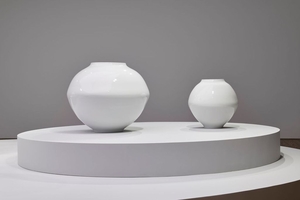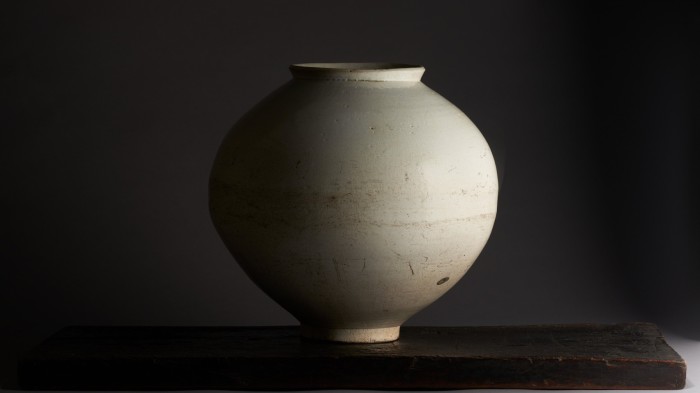
Two rights making something just slightly wrong. This is a good way to look at the moon jar, an object type that looms large in the story of Korean ceramics. Almost (but not quite) perfectly round, they are made by throwing two large bowls, which are then joined together at the rims. The resulting sphere is set on a low, narrow foot, the top is cut open and a rim is added. Finally, the whole thing is glazed and fired. The result has an austere beauty and a powerful presence. Though essentially geometrical, a moon jar is almost always just a little irregular along the seam where the two halves are joined, a bit wobbly around the middle. Most of us can sympathise.
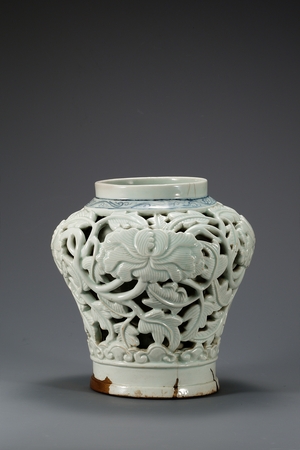
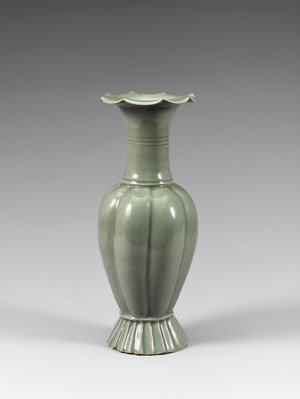
The origins of this transcendent yet oh-so-human shape are somewhat obscure. Recent scholarship points to the early 17th century, following two devastating invasions by the Japanese in the 1590s. These wars of aggression involved mass deportations, with thousands of enslaved peasants and skilled artisans forcibly brought to Kyushu. According to Haely Chang, curator at the Hood Museum of Art at Dartmouth University, the first moon jars were made in the wake of this conflict, at a time when Korea had lost many of its best potters: “The simple form, relatively straightforward fabrication and unadorned monochrome glaze were suitable within this context, especially compared to the more ornate porcelains of the early Chosŏn period.”