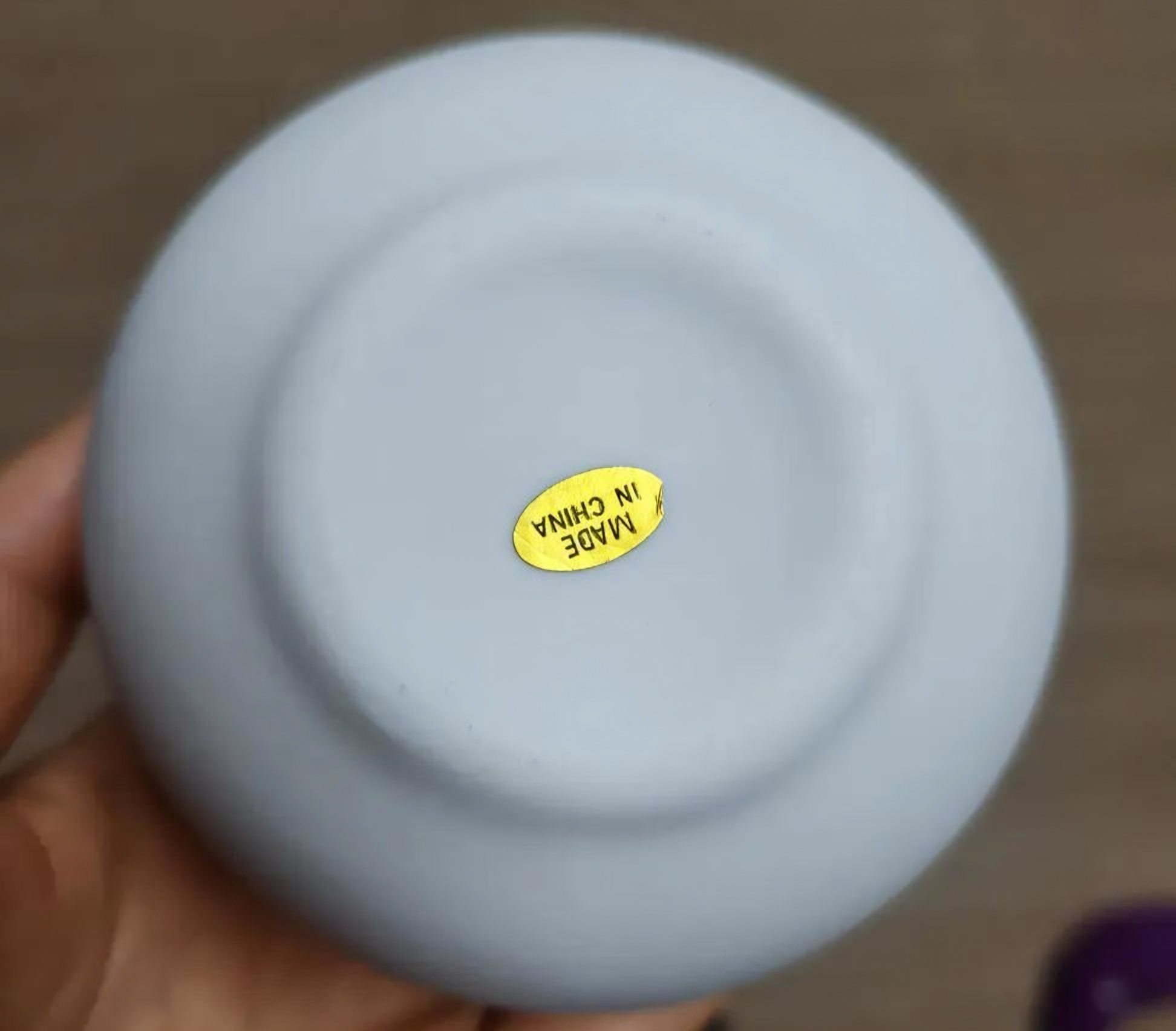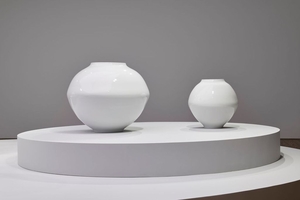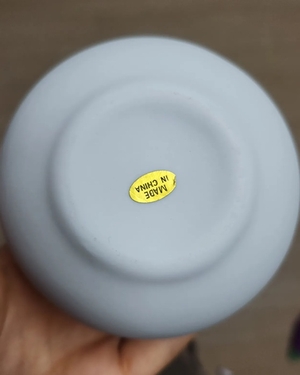
A gold sticker reading "Made in China" is attached to the bottom of a mini moon jar given away as an event prize at the 2026 Yeoju Ceramic Festival. (Threads) Yeoju, one of Korea’s best known pottery hubs, has come under fire after Chinese-made jars were handed out as giveaways at this year’s ceramic festival.According to online communities Thursday, organizers of the Yeoju Ceramic Festival, held May 1-10 at the Silleuksa Tourist Complex, gave away mini moon jars to visitors who promoted the event on social media by uploading photos or videos of festival scenes, such as ceramics exhibitions, pottery wheel experiences or traditional pottery-making performances.But the event soon faced backlash after the souvenirs, awarded to 20 selected participants, were revealed to be Chinese imports.In photos shared on Threads by one of the participants, the moon jar prize was shown with a “Made in China” label on the bottom. Online promotional material for an event at the 2026 Yeoju Ceramic Festival offering mini moon jars to visitors who uploaded photos and videos from the festival to social media. (Instagram) “When I called the organizers, they responded by saying, ‘Didn’t the event notice only say mini moon jar?’ It’s absurd that a festival representing the region would hand out Chinese-made products,” she wrote.“It’s like giving away American beef at a Korean beef festival. The organizers themselves damaged the symbolic meaning of the ceramic festival. It even makes people question whether the Yeoju pottery sold there is genuinely made in Yeoju,” another participant wrote.As the criticism intensified, the Yeoju Sejong Cultural & Tourism Foundation, which organized the festival, reportedly apologized to the event winners via text messages. It plans to send authentic Yeoju-made moon jars as replacements.“We will prepare concrete measures to prevent a recurrence, including improving product inspection procedures and responses to customer complaints and inconveniences,” the foundation said.Yeoju, one of Korea’s leading ceramic centers in Gyeonggi Province with a pottery tradition spanning roughly a millennium, began producing ceramics in the late Goryeo period and later became a major producer of Joseon-era royal white porcelain thanks to its rich clay deposits.Around 1.06 million people visited the city’s annual ceramic festival, aimed at promoting the local ceramics industry and revitalizing tourism, officials said.
Celebrating Korean ceramics with Chinese-made souvenirs? Yeoju festival faces backlash
Yeoju, one of Korea’s best known pottery hubs, has come under fire after Chinese-made jars were handed out as giveaways at this year’s ceramic festival. Accordi
372 words~2 min read