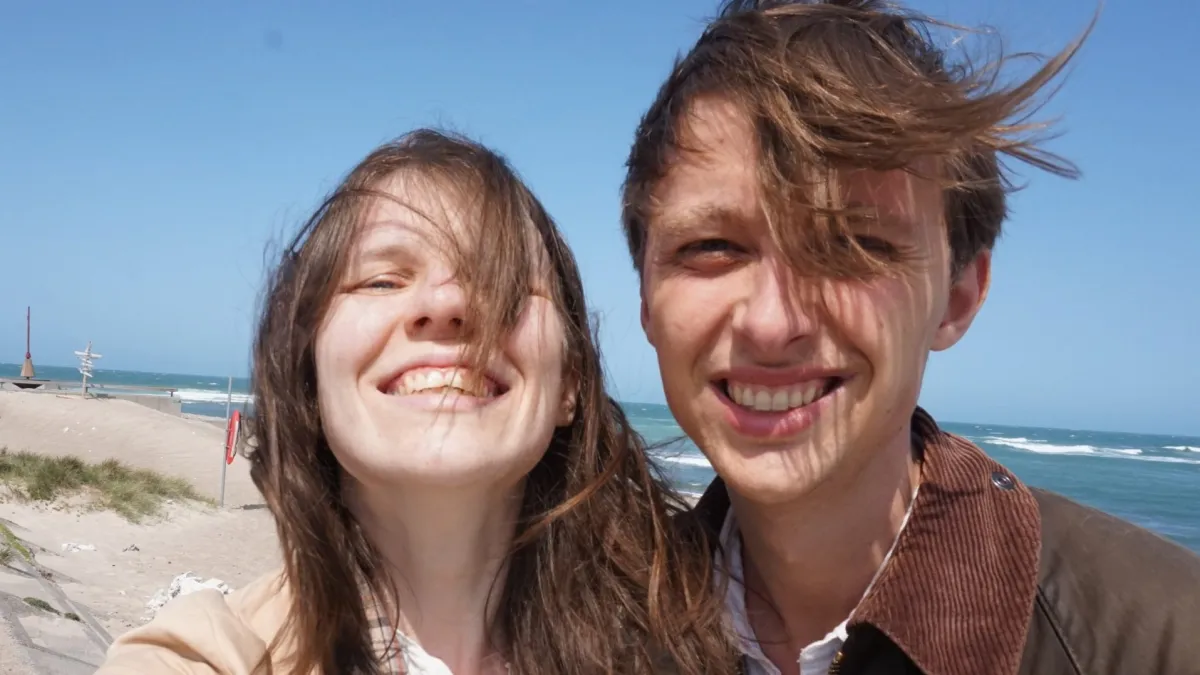
July is Copenhagen’s busiest month, when tourist arrivals peak in the capital. It is at this point that Danes quietly migrate out of the city to cottages, beach huts or seaside hotels, to enjoy a slower pace of life during their annual summer break.
One of the most favoured retreats is along the wide beaches of the north-western Jutland peninsula. I am one of those drawn back to this far corner of the country – specifically Thy National Park – year after year, returning for the best part of a decade to my husband’s home. We make the journey in time for Sankt Hans eve, an evening of bonfires and singing that heralds midsummer.
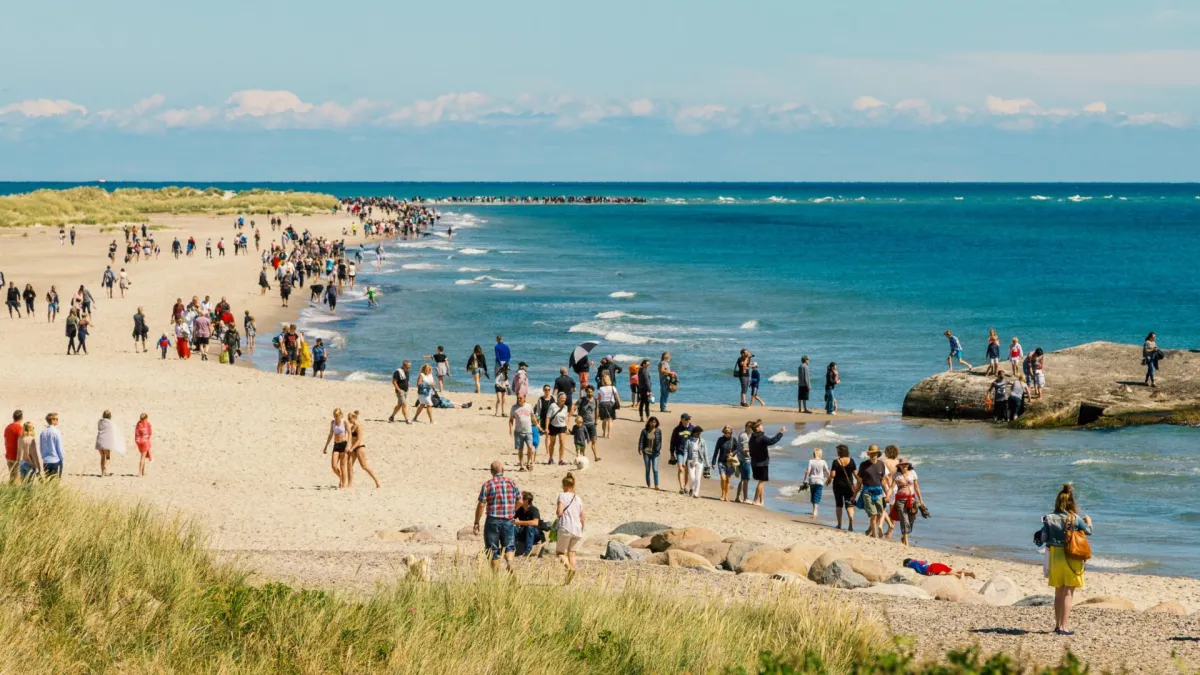
Danish landscapes are soft – the country is famously flat, but in Thy the rolling farmland and heath give way almost seamlessly to the dunes and beaches of the wild North Sea coast and inland fjords.
The rolling heaths of Thy National Park (Photo: Mette Johnsen/Visit Denmark)
This wild corner of the country also attracts breeding cranes, whose numbers have multiplied from just a handful to more than 100 pairs in the past half-century. Hundreds of wild red deer roam the heathland, and you might also see waterfowl, harbour seals and otters in the water.