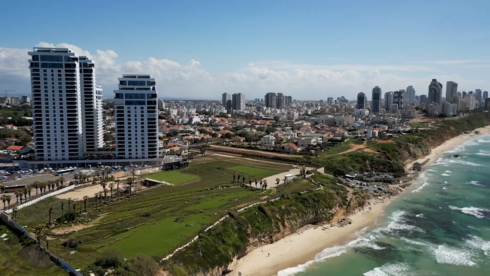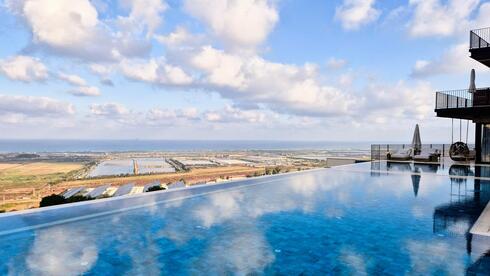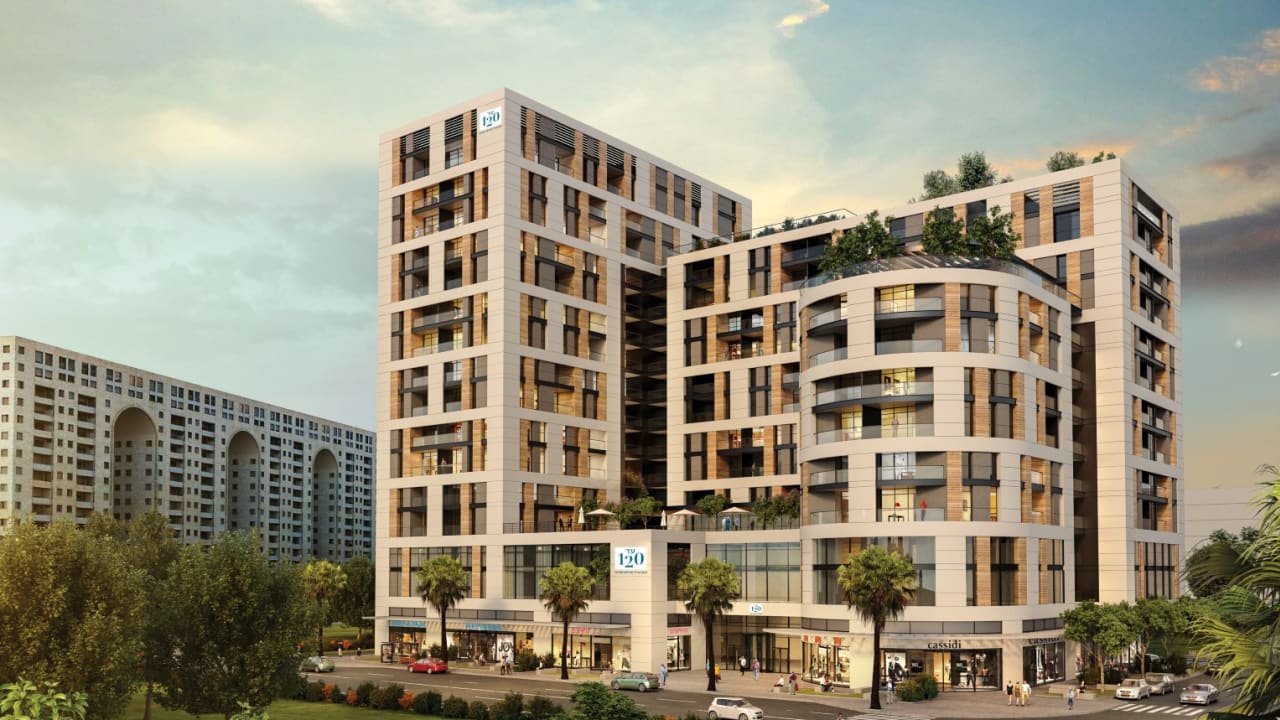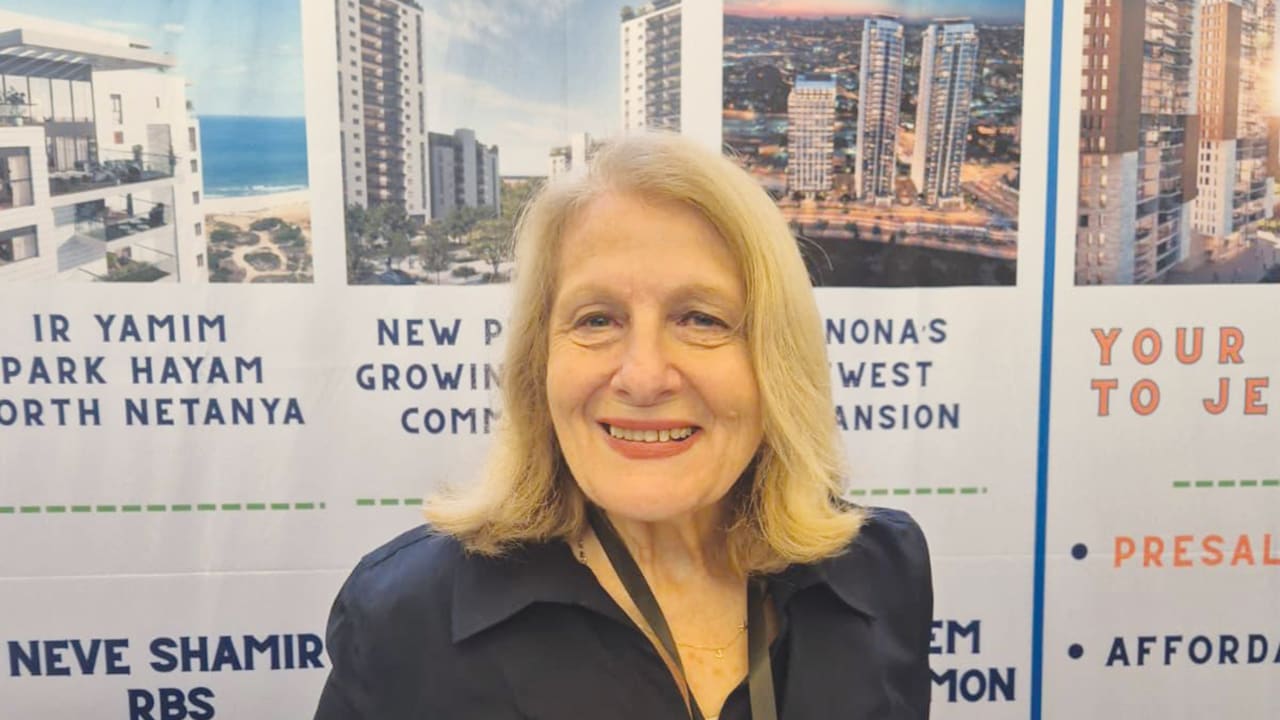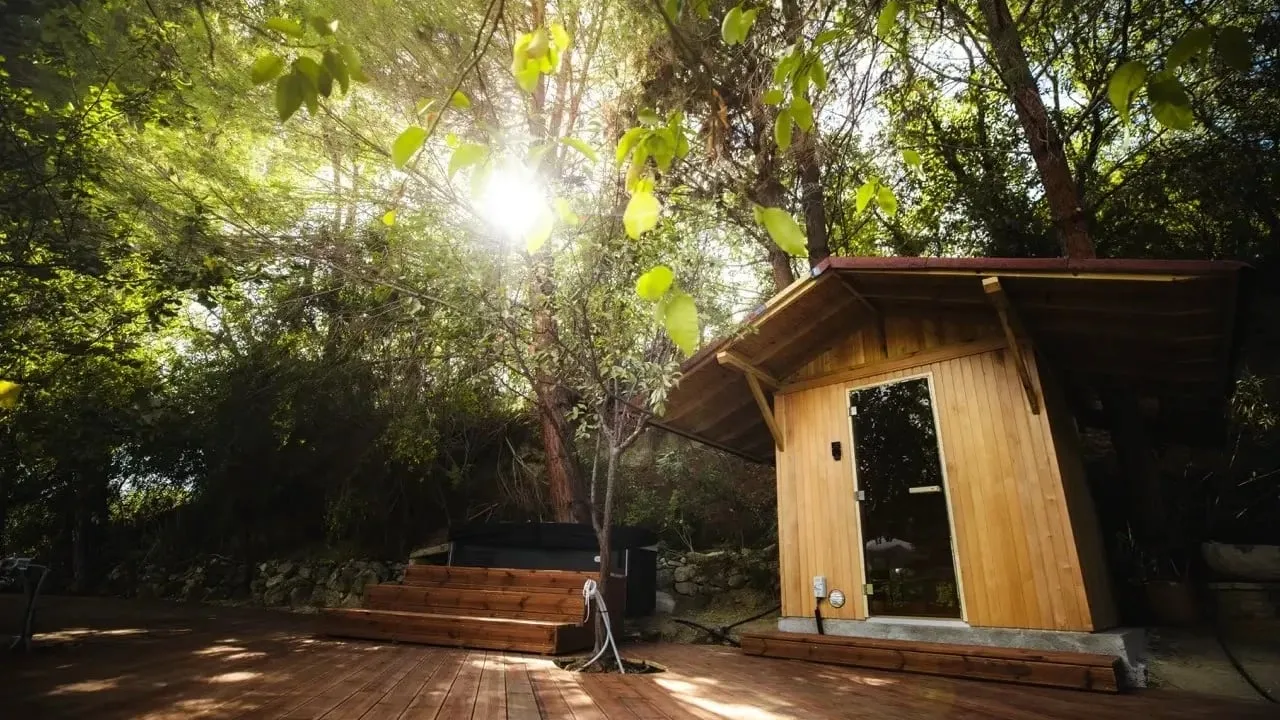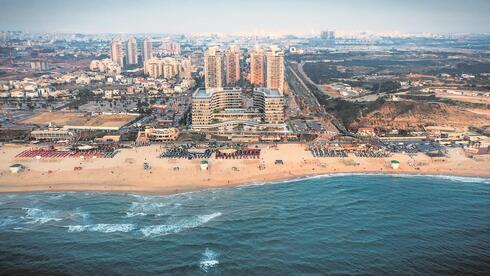
Real estate giants are pouring billions into upscale retirement complexes with spas, restaurants, fitness classes and smart health tracking; But with multimillion-shekel deposits and five-figure monthly fees, the new model remains largely reserved for Israel’s wealthiest seniorsIt used to be called a nursing home. Today, it is marketed as “resort living,” a “longevity complex”, or a “village villa.” Instead of a dining hall and a bridge club, residents are offered heated pools, spas, chef restaurants, gyms, yoga by the sea, artificial intelligence workshops and business lounges.Behind the transformation is a new generation of older Israelis: healthier, more active and wealthier than before, and increasingly interested in turning retirement into another chapter of self-fulfillment.For many, the question is no longer how much money will be left for the children, but how to enjoy the wealth accumulated over decades of work. And the sums involved are considerable. Anyone seeking to move into high-end assisted living complexes such as Sea One on the beach in Rishon LeZion or Neve Aviv in Kfar Shmaryahu must usually provide a deposit of several million shekels, along with monthly maintenance fees that can reach five figures.GallerySea One ןמ Rishon LeZion (Photo: Sea One, Oranim)In some complexes, the deposit ranges from about 2 million to 4 million shekels ($590,000 to $1.18 million), with monthly fees of 10,000 to 15,000 shekels ($2,950 to $4,400) per person. For couples, the monthly cost can exceed 20,000 shekels ($5,900), in addition to the deposit, which is eroded by about 3% to 4% each year.Demand is rising despite the steep costs. Major real estate and financial groups are pouring billions of shekels into the sector, turning senior living into an increasingly lucrative business. But while many residents in the United States and parts of Europe move into these communities in their 60s, the psychological barrier in Israel remains high. Even as luxury projects multiply and the old nursing-home image is replaced by resort-style living, most Israelis still make the move only in their late 70s or 80s.On the Rishon LeZion beachfront, directly by the water, Sea One opened this month with 270 housing units, most with sea views. About 1 billion shekels ($295 million) were invested in the 55,000-square-meter complex (about 592,000 sq. ft), separated from the beach only by a narrow strip of promenade, cafés and restaurants. Even the reinforced safe rooms in the apartments face the sea.The public areas include an indoor pool, an outdoor pool, specially designed lounge chairs, a wine bar, a business lounge, meeting rooms, a spa, yoga and Pilates rooms, a gym, art rooms and a restaurant.Residents are offered free activities including mindfulness, water aerobics, TikTok workshops, yoga by the sea, Pilates machines, night swimming and women’s circles. It may sound like a luxury hotel in the Tel Aviv area, but it is the new version of assisted living.Even the term “assisted living,” which replaced the old “nursing home,” is now treated as outdated. Sea One is marketed as “resort living for people aged 60 and over.”It is not alone. This week, the "Ad-120" senior living chain inaugurated a new home in Modi’in following a 600 million shekel ($176 million) investment. The invitation described the project as a “longevity residential complex.” The building includes a WeWork-style co-working space, a computer room and the residents were provided with a smart-watch-like device that gives them data on their sleep, nutrition, balance and walking patterns. Free activities there include Japanese taiko drumming, AI courses, a dance school, petanque, carpentry workshops and tai chi in the park.A new longevity department also recently opened at Tel Hashomer, while Ad-120 is preparing to build its first complex of this kind in Kiryat Motzkin (in the Haifa bay area). The move marks a breakthrough for the sector, as luxury senior living in Israel has so far been concentrated largely between Hadera and Gedera, where much of the country’s wealthier population lives.The United States is considered a leader in innovation in senior living. There, the old image of retirees in Florida playing bingo is fading. Millions of baby boomers now reaching retirement age are arriving healthier, wealthier and more active, with needs that go far beyond protection and basic care.Sarah Weissman, 75, left a private home in Kochav Yair for Sea One in Rishon LeZion. “I’ve been living here for two months,” she said. “Life in Kochav Yair was good. I was there for 40 years. I worked as a physical education teacher and Pilates instructor. I raised children, but they left home, even the grandchildren grew up, and the house was already too big for me and no longer really suited me.“Here I don’t have to worry about maintenance, culture or sports. Everything is already here. After two months in this place, I can say the whole world has come off my shoulders. I have a driver’s license, but apart from visiting my children, I don’t need to drive anymore. Everything comes to my doorstep.”Were health services also a factor in the decision?
Pools, sea views and chef menus: Israel’s senior living market turns into luxury real estate
Real estate giants are pouring billions into upscale retirement complexes with spas, restaurants, fitness classes and smart health tracking; But with multimillion-shekel deposits and five-figure monthly fees, the new model remains largely reserved for Israel’s wealthiest seniors
3,456 words~16 min read