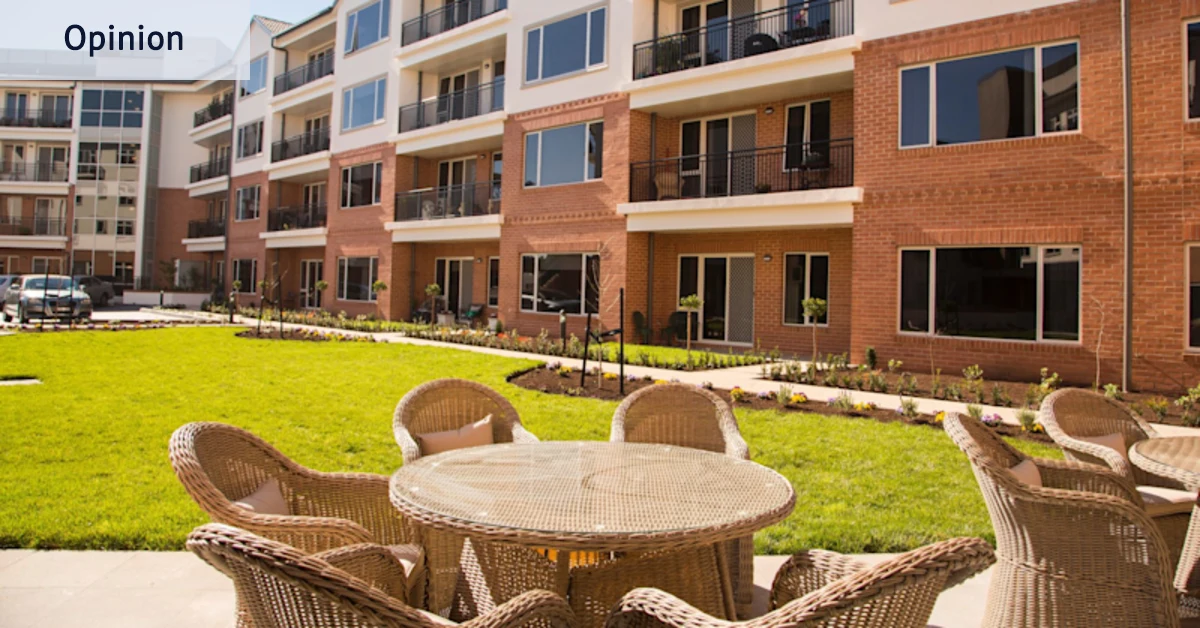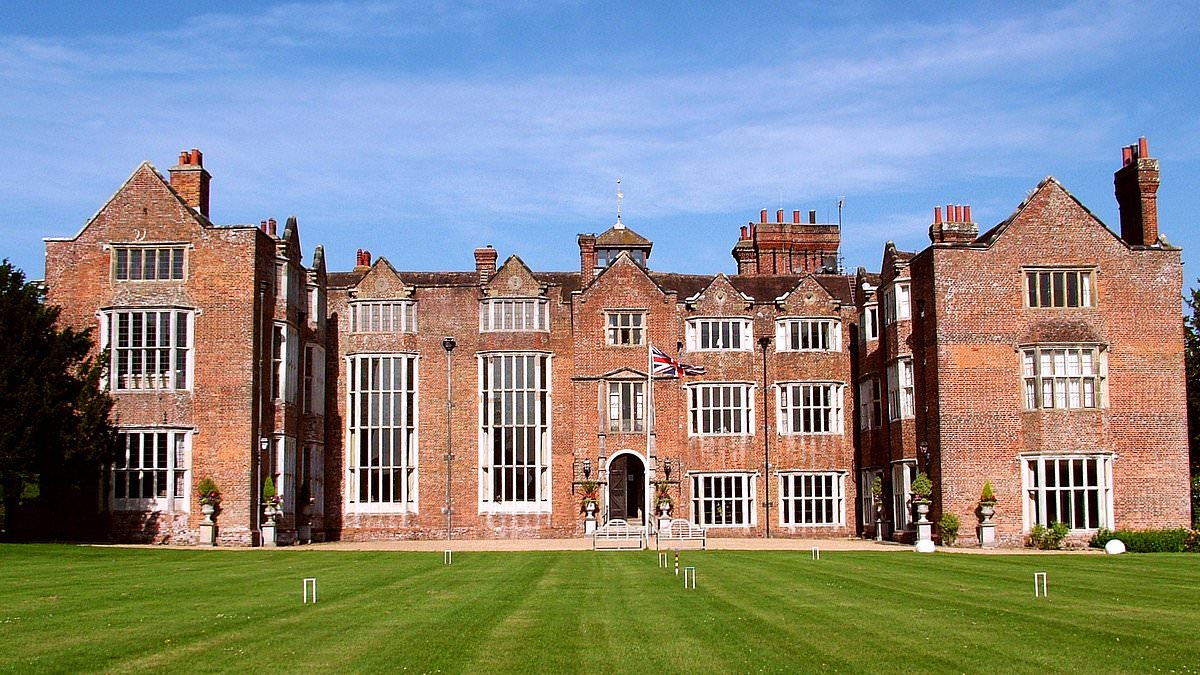
At Carnegie Hill, on Manhattan’s Upper East Side, you’ll get personalised care plans and amenities such as a swimming pool, yoga and dance classes, as well as all your meals in a variety of restaurants ranging from casual to fine dining.At the Audley Club in Berkshire, England, you can expect a restaurant, bar bistro, gym, swimming pool and beauty spa if you buy a retirement home there, with prices for a two-bed apartment starting at about £675,000 (€781,000).On Australia’s Gold Coast, you’ll pay from about $935,000 (€573,850) for sea views in a gated and pet-friendly community with its own bowling alley, aimed at the over-50s.While Irish operators may not be in quite the same space just yet, targeting the senior market is a trend gaining pace. One such development is Heritage Village in Killenard, Co Laois. But what can you expect? And how much will it cost?Heritage VillageThe village, just 500m from Killenard, was built by developer Tommy Keane, who is also behind the nearby Heritage hotel. Construction began in 2023 and, according to sales manager Maurice Harrington, 15 houses are occupied at present, with two more due to close, and another 10 expected to close in June/July.When the scheme is finished – due by the end of 2027 – there will be 164 homes in total. It is aimed at the “later living” market; you don’t have to be retired to live there but you do have to be 55 or over. Harrington says the idea for the village came from the popularity of the model Down Under. In New Zealand, for example, about 5 per cent of people aged over 65, and 14 per cent of over-75s, live in a retirement village, according to Government figures for 2024.It doesn’t cater for families given the requirement to be 55 or over to live there permanently and the fact that the maximum-sized unit is two-bed.“The most interesting thing for me is that what I thought would be the number one thing isn’t,” says Harrington. One might expect that on-site access to care facilities is what would attract people, but Harrington says it’s actually security. The village is a gated community, with access limited to those whose phone is registered with the gate.[ ‘The only other option would be nursing homes’: Older people turn to gated community in LaoisOpens in new window ]Another big plus cited by residents is the ease of maintenance, which means that tasks such as tending to gardens, washing windows and looking after gutters are all taken care of. And if you stay abroad for a few months, for example, you can leave your key with the village manager to keep an eye on your place.But care is a part of the village’s proposition. The plan is to have a registered care provider on site full-time, Harrington says, but people can also bring in care independently. The costs might be covered by HSE-allocated hours or it can be paid as a supplement. On-site amenities include a 5km walking track, a bistro and bar, a library and cinema room, a gym and a shared workspace in the amenity building.It is adjacent to the Heritage hotel, and residents can access the swimming pool, spa and golf facilities at the hotel, for a fee. Thus far, Harrington says, there is a broad range of ages in situ. The youngest is 55 and the oldest is in her early 90s. Of the residents who have moved in so far, or have committed to doing so, about 50 per cent are retired. “I would say of the 50 per cent still working, not all are working full-time and some are working from home,” says Harrington. He says the development is getting the most traction with buyers from Kildare. The costPrices start at €335,000 for a one-bed courtyard unit, increasing to €375,000 for a two-bed in the courtyard, and €515,000 for a two-bed detached house, which measures about 1,400sq ft.But how do these prices compare to the local market? While not like-for-like, as a comparison you will pay €425,000 for a new-build three-bed in the nearby Millers Hill development, or €325,000 for a two-bed at Sand Wood in Portlaoise.The detached houses at Heritage Village come with gardens, while the courtyard units share a courtyard with seven neighbours, and the terraced properties have sun patios.Buyers are typically doing so with cash. “Pretty much everyone here is selling a home to finance here,” says Harrington, adding that this can make the sales process that bit longer. “It would be easier if we were selling to people with a mortgage, as it would be faster”.While Heritage Village might have been inspired by the Antipodean model, Harrington says it took a different approach when it came to maintenance fees. Down Under, a deferred management fee typically applies, which is calculated as a percentage of the sale price of your home – about 30 per cent – when it’s sold on. This “enjoy now, pay later” model has its advantages, particularly when it comes to holding on to your capital into retirement, but it can leave a big bill behind for family.At Heritage Village, you’ll pay an annual maintenance fee “so there’s no sting in the tail when you sell it”, says Harrington.You can expect maintenance costs of about €4,560 a year for a detached house, or €2,560 for a courtyard one-bed. These cover the costs of landscaping, gutter and window cleaning, bin collection and the salary of a village manager, as well as a contribution for the upkeep of the walking path.The properties are A-rated, which should keep energy costs in check; apart from their electricity bill, owners will just have to pay the annual property tax (between €315 and €495), broadband charges and home insurance. Can you rent?If you’d like to put your toes in the senior living water without committing to buying, renting first can make sense. At Heritage Village, however, the development is currently 100 per cent owner-occupied. But Harrington says there have been some expressions of interest from investors, so this is likely to change – and anyone can buy there. “There is no restriction on ownership – restriction applies to occupiers not owners,” says Harrington. Elsewhere, there have been other efforts to develop “later living” options, specifically for the rental market. At Woodlands Grove in Blackrock, south Dublin, developer Bartra had plans for a 38-unit build-to-rent scheme, restricted to people aged over 60, which would have included two rooftop hot tubs, a cinema, a fitness studio and other amenities. However, while the proposal received the green light from Dún Laoghaire-Rathdown County Council, it was by appealed to An Bord Pleanála by local residents. Bartra ended up selling the site to Turkington Rock, which subsequently opted to build for the sales market. Homes are now available there from €625,000 for a one-bed apartment, rising to €2.25 million for a three-bed penthouse. All units are fully furnished.Developer Tetrarch still has plans for build-to-rent schemes for the later living market, including at Goatstown in south Dublin.What to watch out for While Harrington says putative residents are “not at all” concerned about resale values, it may be a consideration for potential buyers. This is because of the restriction on occupancy to those aged 55 and over, which means a smaller possible pool of potential occupiers/tenants.And you’ll also need to factor maintenance fees into your retirement planning, making sure you have enough cash to pay for them every year. Over 20 years, for example, you’ll pay out more than €50,000 in fees for a courtyard one-bed, or more than €90,000 for a detached house. While Heritage Village has received a lot of interest from developers around the State, Harrington says “it would be difficult to replicate because of new density laws”.“We’d have to put more properties on this site if we were doing it again,” he says.
Can moving to a retirement village make financial sense?
Ireland is still only dipping a toe in the ‘later living’ market, which is more developed in the US, UK and Down Under
1,310 words~6 min read