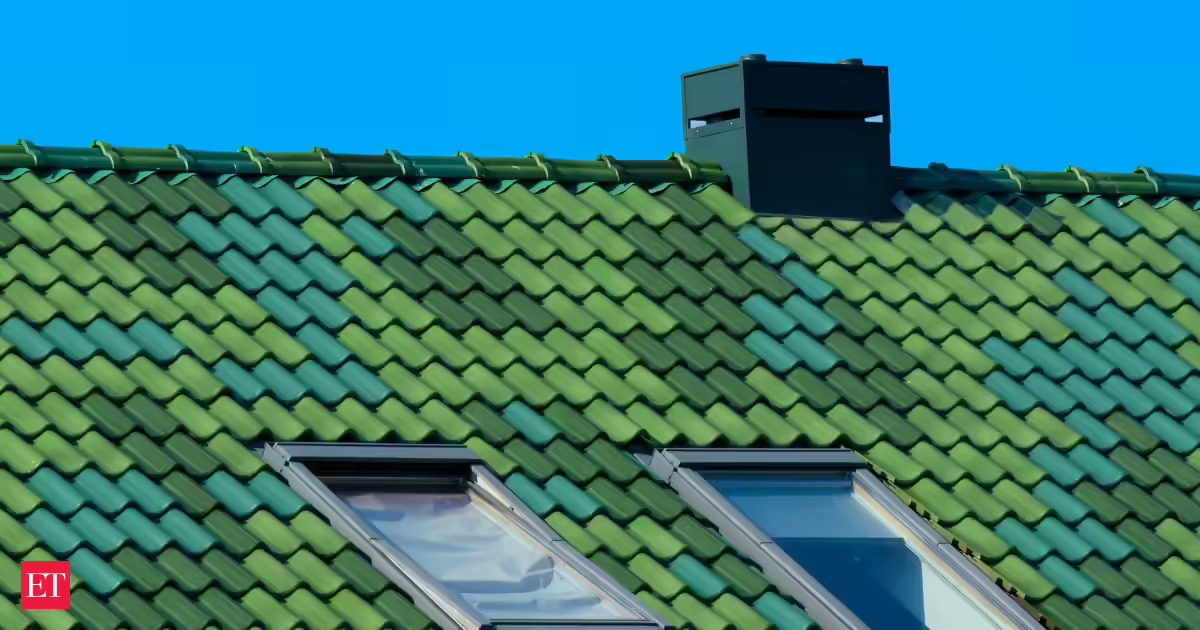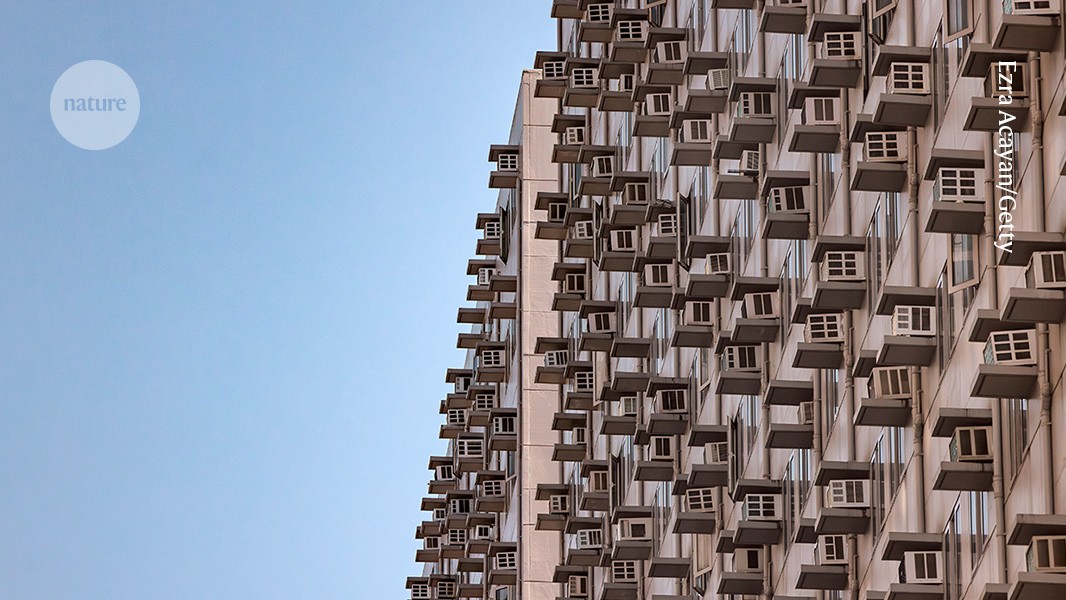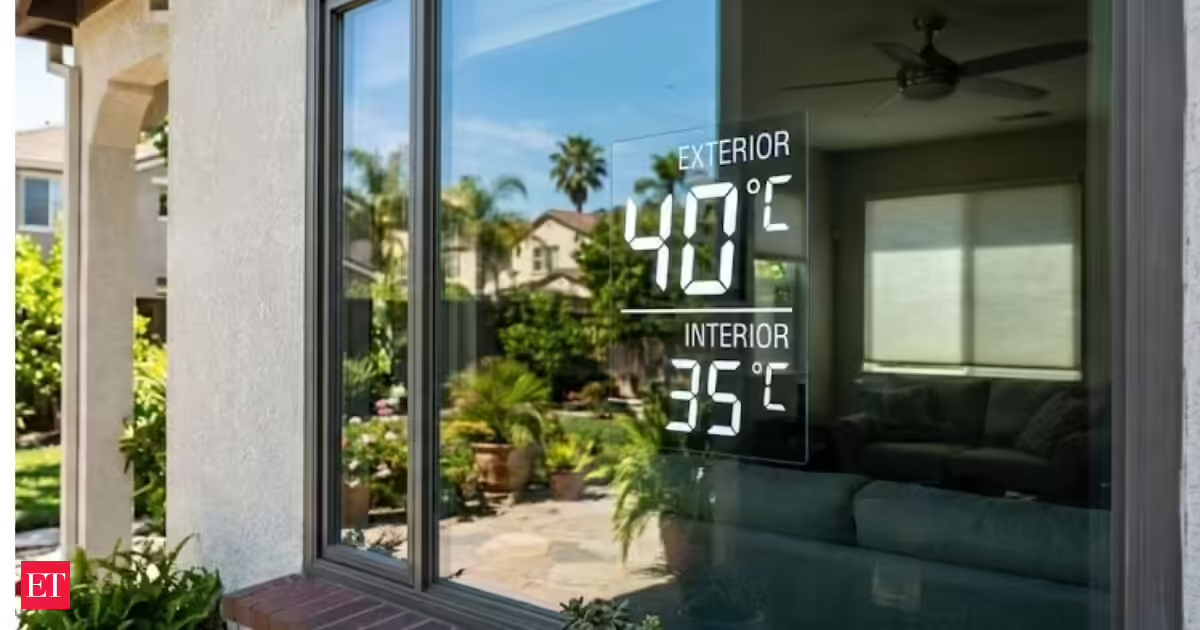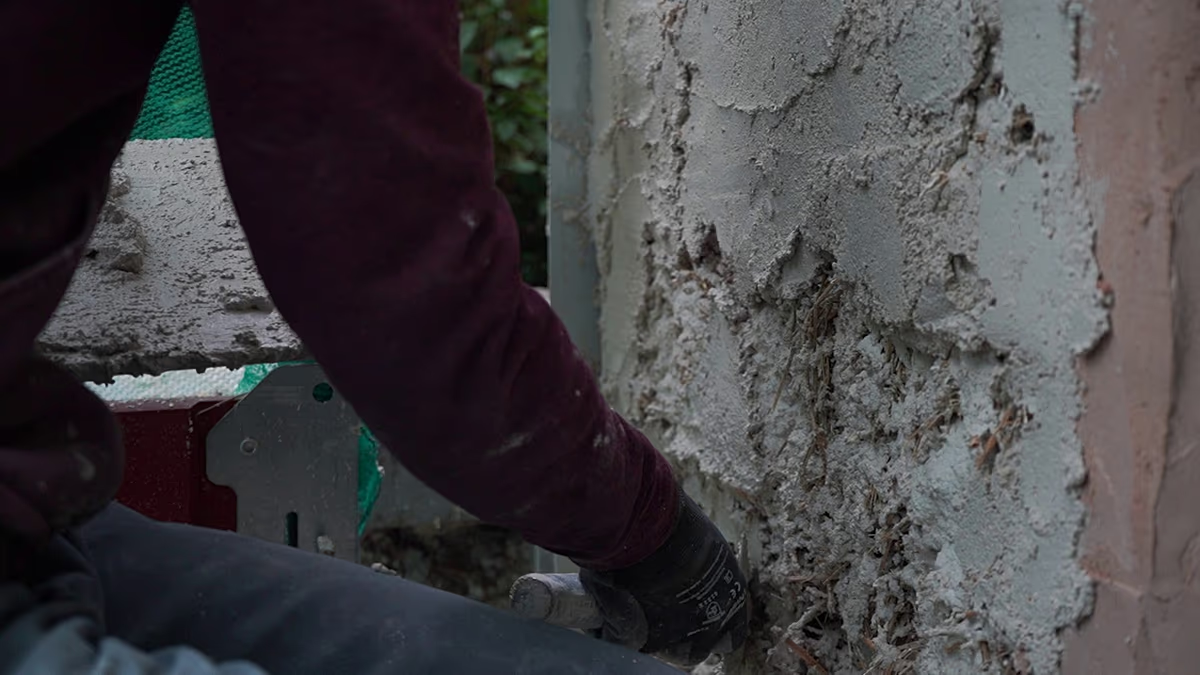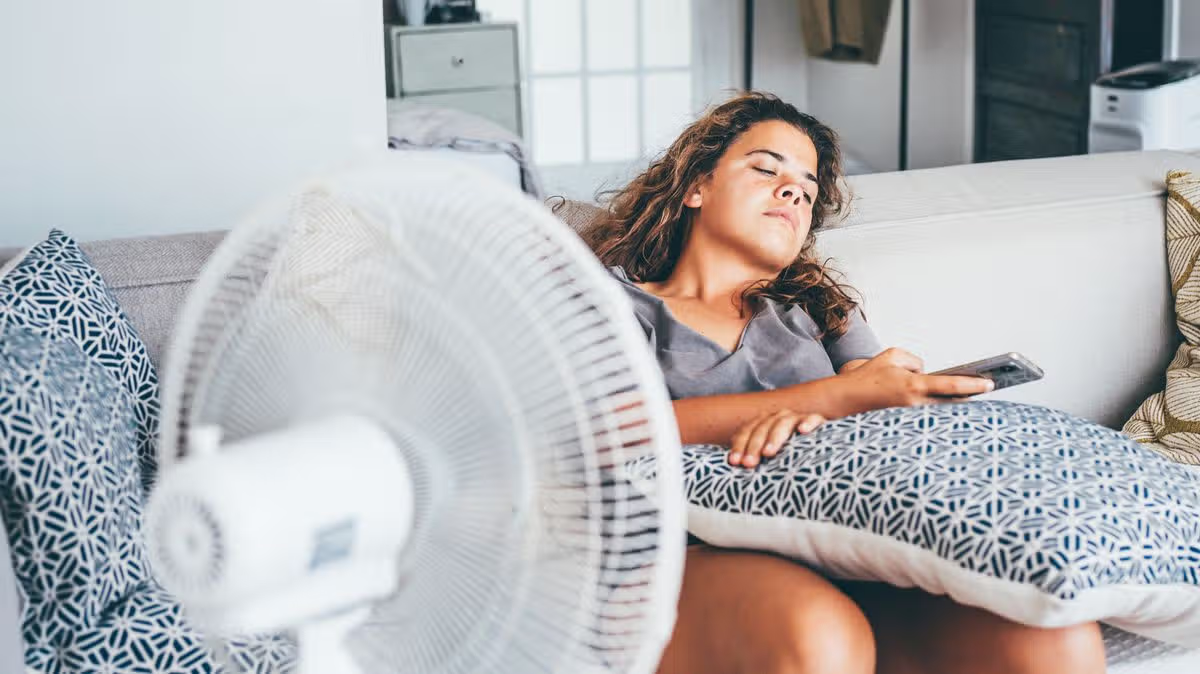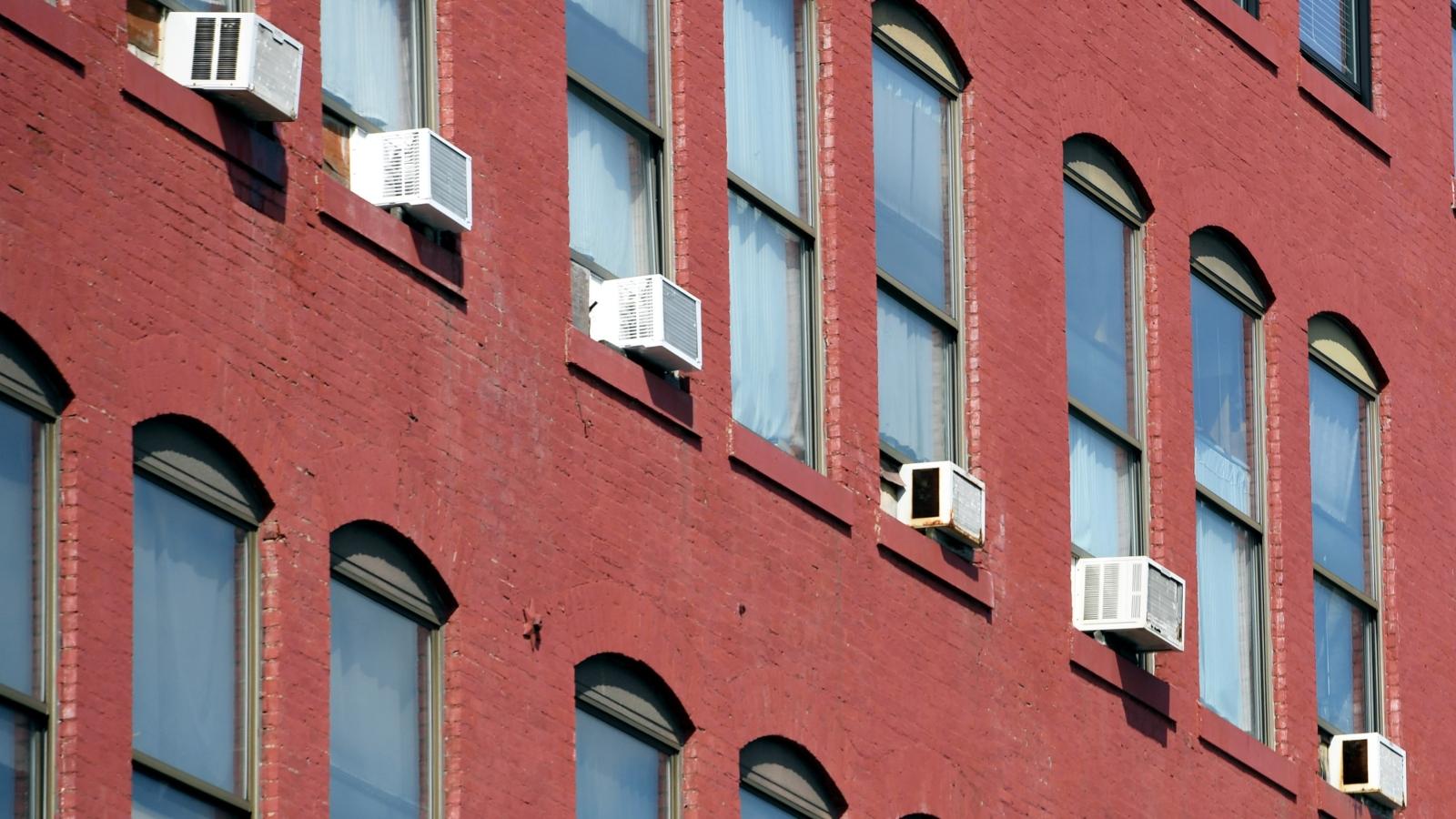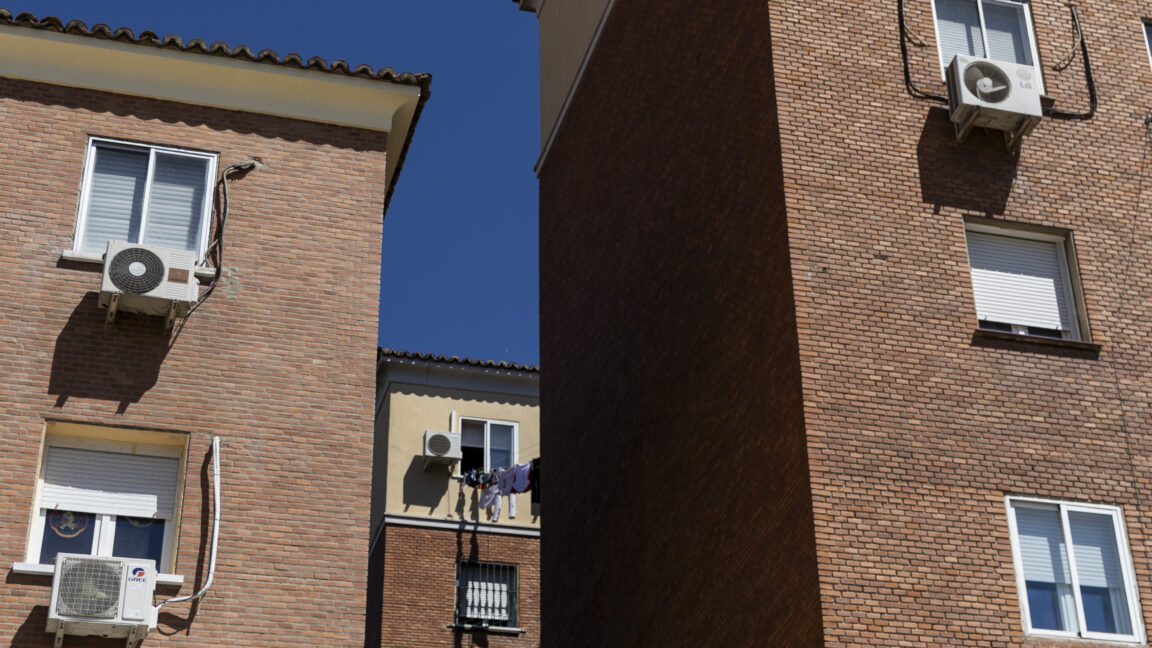
Dateline: 2 July 2029Over the past three years, summer heatwaves in North America and Europe have become a regular occurrence and hotter than before. But technology has come to the rescue.Rather than overloading an already stressed power grid with more and more air-conditioning, which has its own waste heat effect, builders and developers have hit on the ideal solution: passive cooling materials. Mainly “smart” paint.New radiative cooling paints reflect most sunlight, even if they’re not white. And they emit heat directly to space via infrared wavelengths, day and night. Plus, you can retrofit them to existing buildings for up to 9°C cooler than ambient temperatures.Even more potent are smart coatings that can be spec’d for new green buildings. Some of them not only radiate heat; they also harvest solar energy or electrostatic power from raindrops. And in winter you can reverse the cycle to keep your house warm.The problem isn’t only climate change. As cities get bigger and bigger, with fewer natural trees and green areas, they each create an urban “heat island” that calls for new solutions.Best of all is the latest bioplastic cooling film that essentially mimics plants, reflecting 99% of sunlight while maximising infrared radiation. With zero electricity required, it not only beats the heat but also saves the planet too. All thanks to amazing tech discoveries and inventions.As futurist Matt Lawlor was wont to say years ago: “The only thing holding back an explosion of innovation is our ability to harness digital intelligence for solutions. We have technological insight at our fingertips. We just have to use it.” /First published in Mindbullets July 2 2026Digital fashion fights off global warmingDateline: July 30 2030Do you want to look cool and feel smart, or look smart and feel cool? Why not both?Welcome to a world where your clothes are more than just fashion statements. They’re your personal climate control systems, adapting to the weather so you don’t have to. Imagine slipping on a shirt that keeps you cool in the summer and warm in the winter. No more bulky coats or shivering in the cold. This is the reality of 2030, thanks to self-regulating smart clothing.Woven with ultra-thin, flexible materials embedded with micro heaters, coolers and sensors, these garments adjust in real-time to keep you comfortable, whether you’re braving the winter chill or sweating under the summer sun. The best part? They’re powered by sunshine. With integrated flexible, thin-film solar cells, your clothes recharge as you go about your day. No need to plug them in ― just step outside.Morning routines are a breeze. Parents no longer stress about how to dress their kids for unpredictable weather. Just one smart outfit keeps them comfortable all day, whether they’re indoors or out. Schools and daycare centres love it too. These clothes ensure children stay at the optimal temperature for learning, even in the most challenging climates.And it’s not just about comfort. Integrated sensors can detect early signs of fever or illness, alerting parents and carers. Early intervention means healthier, happier kids. For children with special needs, maintaining a stable body temperature can be crucial. Smart clothes provide consistent comfort, reducing health risks and improving quality of life.Households are also noticing the difference. With less need for extensive seasonal wardrobes, closets are less cluttered, and laundry loads are lighter. The versatility of digital fashion means fewer purchases, saving money and reducing waste. And they’re more sustainable. Less reliance on aircon and furnaces at home means lower energy consumption and smaller carbon footprints.Self-regulating smart clothing is more than a trend; it’s a revolution in how we live, work, and play. It combines fashion with function and comfort with conservation, making society smarter ― and cooler ― one outfit at a time. /First published in Mindbullets August 1 2024.Despite appearances to the contrary, Futureworld cannot and does not predict the future. The Mindbullets scenarios are fictitious and designed purely to explore possible futures, and challenge and stimulate strategic thinking.
NEWS FROM THE FUTURE | Passive cooling beats the heat
Smart paints and passive cooling materials could help buildings stay cooler
657 words~3 min read