This story was originally published by Vox and is reproduced here as part of the Climate Desk collaboration.
It was not the postcard-worthy aesthetics that prompted Greek islanders to first drench their cliffside-carved homes, churches, and pathways in a thick layer of pearly white paint.
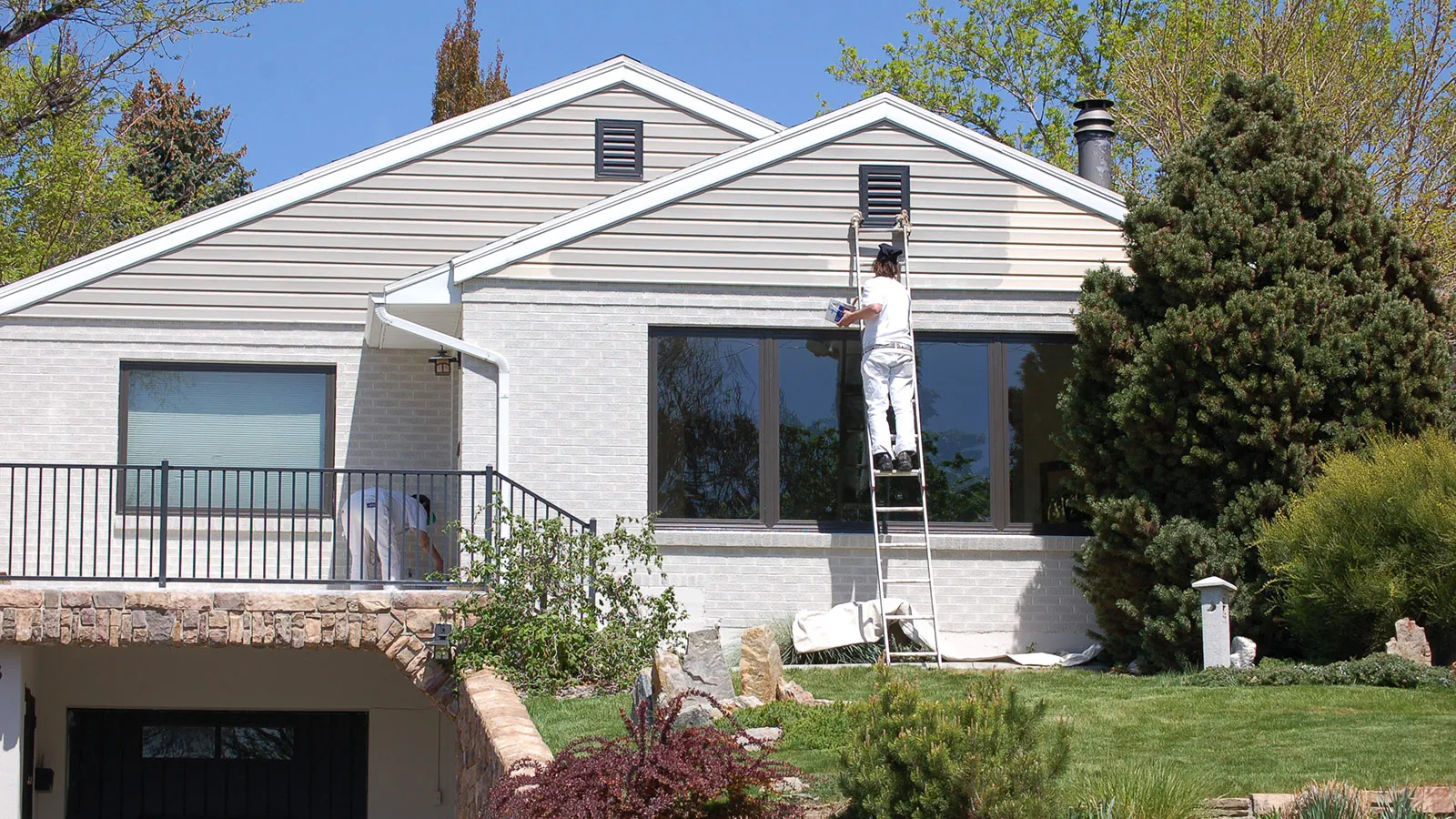
Much like wearing a white tunic on a hot sunny day, painting your house a shade of reflective white is a fine way to keep an ancient island cool, bouncing some of the sun’s heat back into space instead of absorbing it into the structure of the buildings themselves. Before air conditioning existed, people in warmer areas of the world often built with similar techniques in mind: Iran’s picturesque chimney-like badgirs or wind catchers have helped desert dwellers stay cool for millennia, for example, and in the tropics, Malaysians have long engineered their homes on stilts to avoid floods and let a breeze in.
Many homes and cities in Europe are still living as if AC had never been invented, relying largely on their thick shutters, ventilated courtyards, and other strategies to encourage shade and airflow. But after a deadly, record-shattering heat wave tore through western Europe last month, killing at least 1,300 people, it has become increasingly clear that old-world buildings are not cooling enough on their own for our new world of heat.