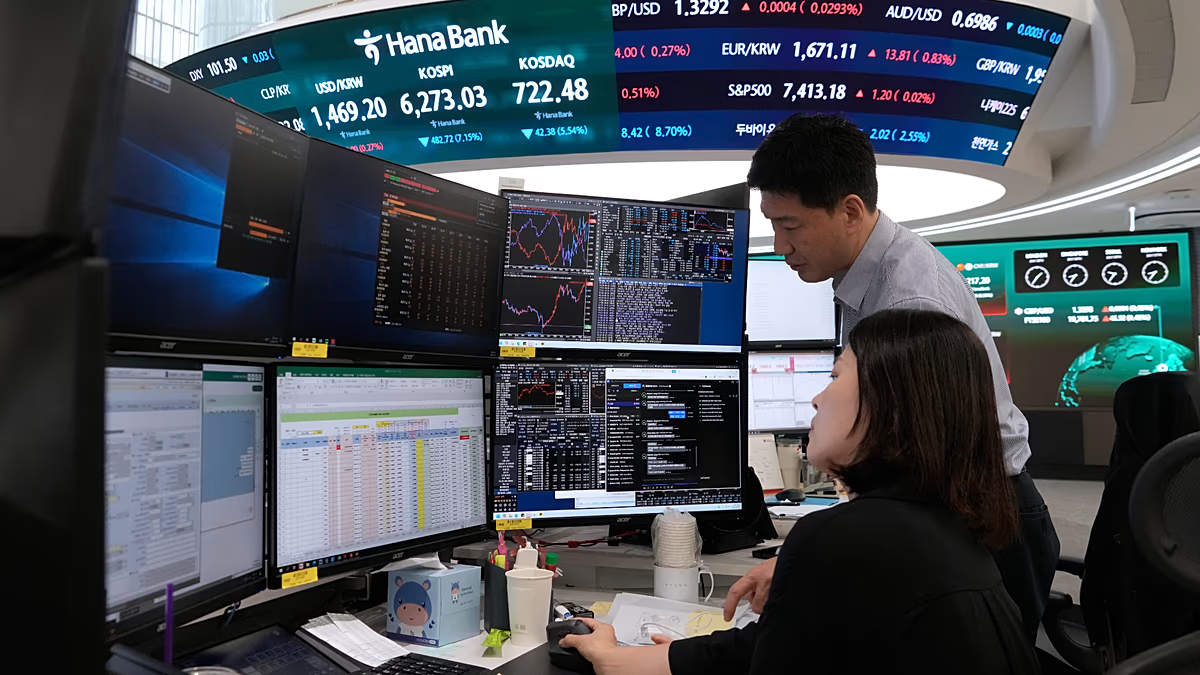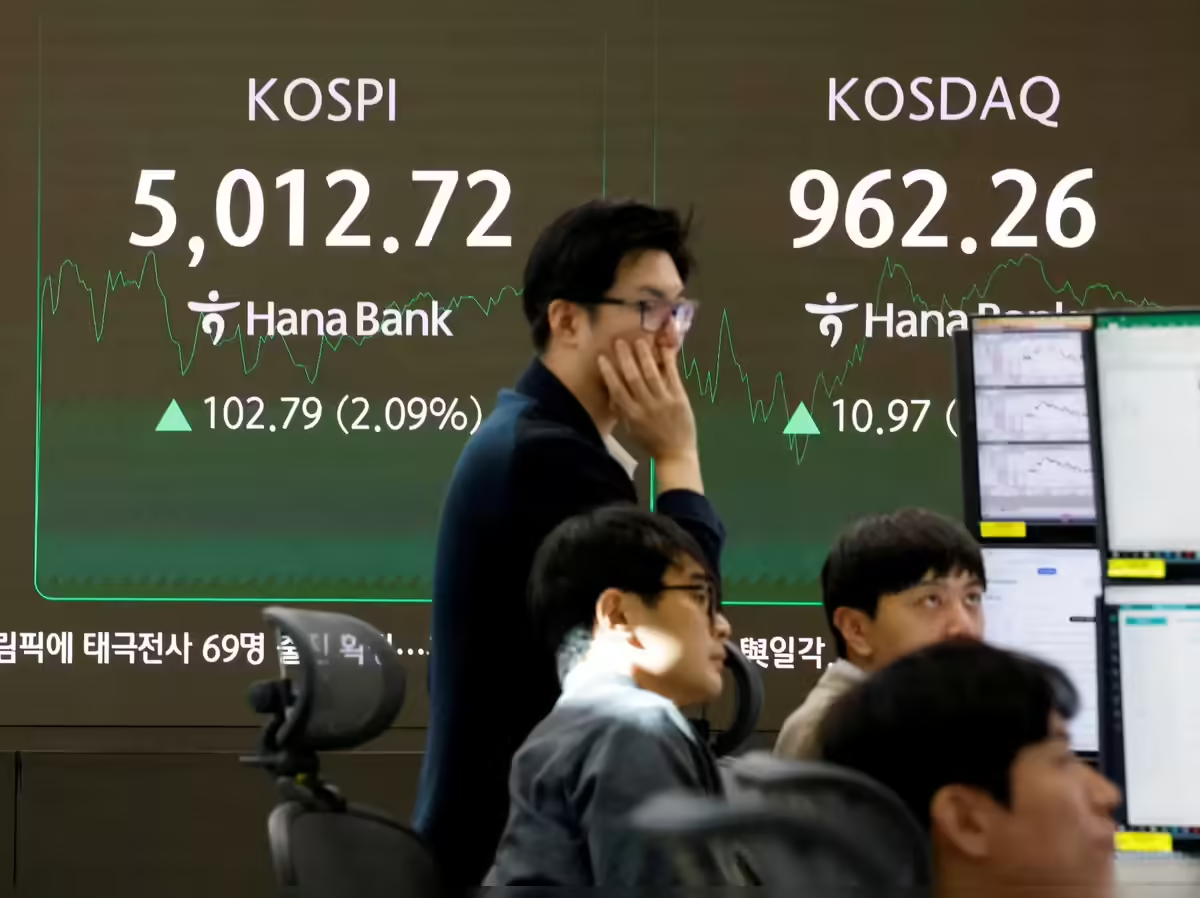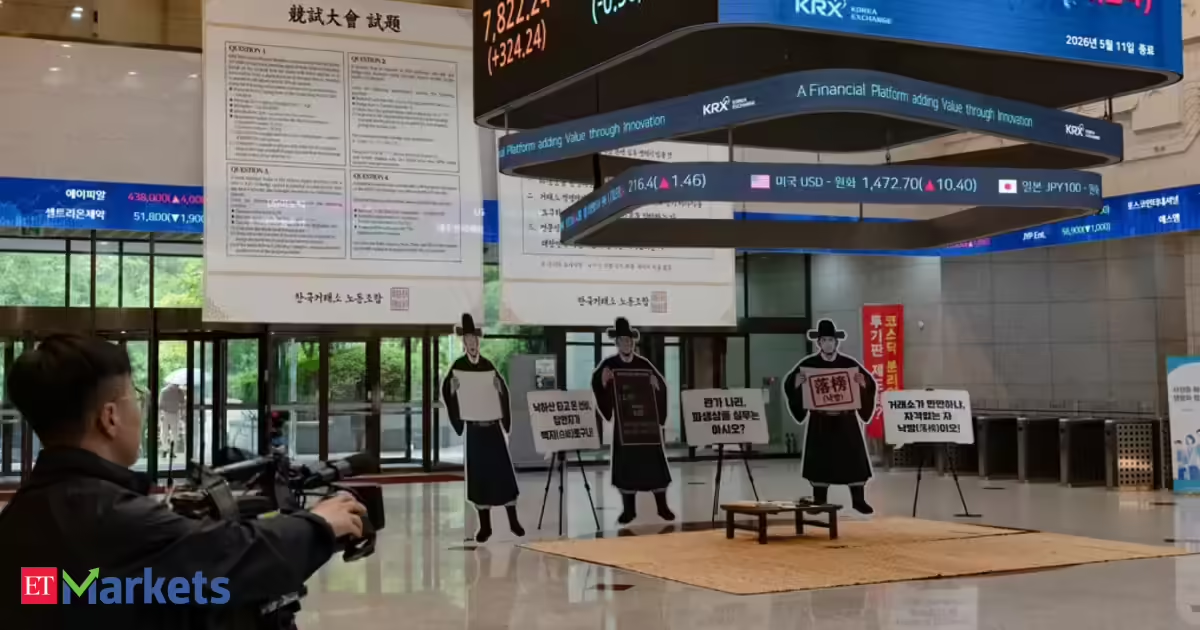
Samsung Electronics dropped roughly 9% on July 2, closing at 286,000 KRW, while SK Hynix took an even harder hit, falling as much as 14.57% to 2,187,000 KRW during intraday trading. The broader Kospi index fell about 5%, dragged down almost entirely by the two chipmaking giants that had been responsible for most of its gains this year.
The sell-off wasn’t a reaction to bad news. It was a reaction to very good news that investors had already priced in, and then some. After Samsung’s shares surged over 180% at their peak earlier in 2026, riding a wave of AI-driven semiconductor demand, traders decided it was time to take some chips off the table.
The great rotation begins
Samsung had joined the $1 trillion market-cap club back in May 2026, a milestone that seemed almost inconceivable just a year prior. SK Hynix followed a similar trajectory, benefiting from insatiable appetite for high-bandwidth memory chips used in AI training and inference workloads.
Investors began rotating away from high-growth AI and memory chip names, redirecting capital toward undervalued sectors that had been ignored during the semiconductor euphoria.