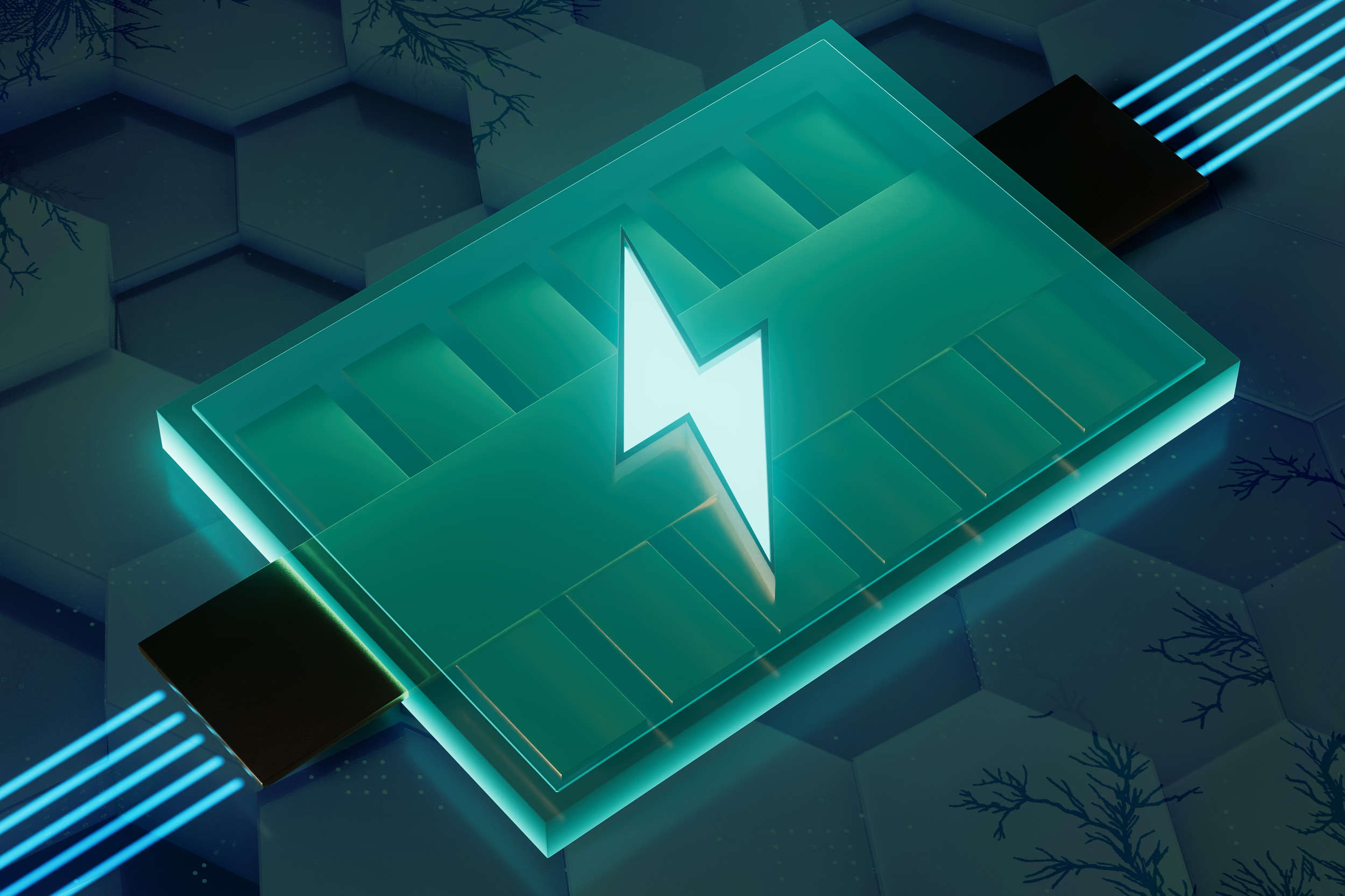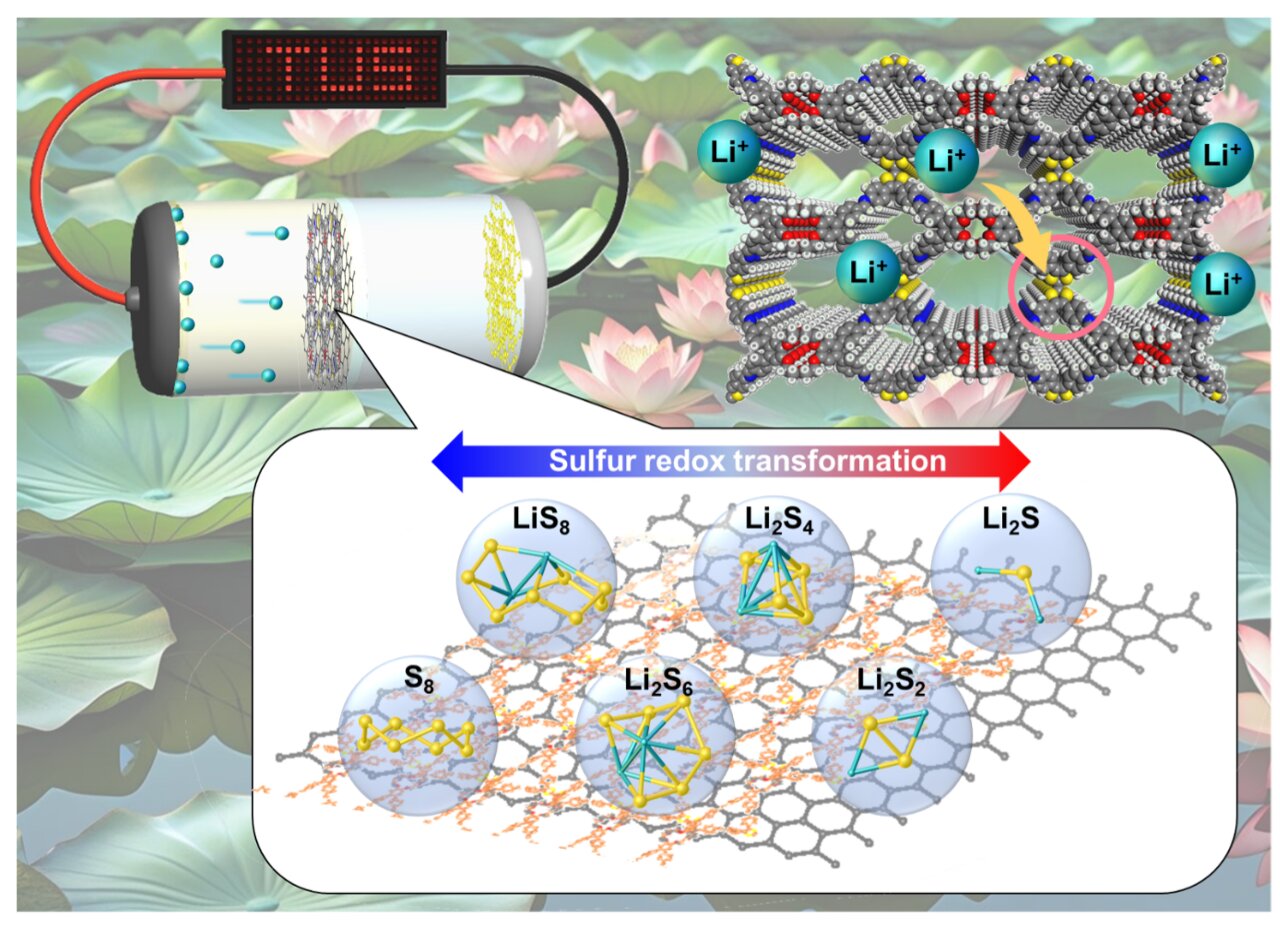
Schematic depiction of a Li-S battery equipped with a TUS-44@G interfacial layer, where synergistic polysulfide confinement and redox catalysis regulate sulfur-species evolution, facilitate rapid conversion among S8, soluble lithium polysulfides, and Li₂S₂ / Li₂S, suppress shuttle migration, and sustain stable long-term electrochemical operation. Credit: Yuichi Negishi et al.
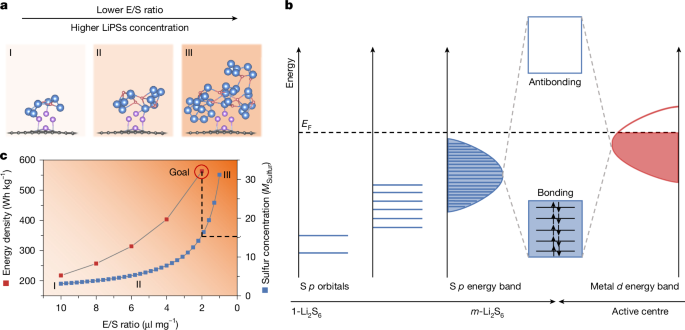
Lithium-sulfur (Li-S) batteries combine the abundance and affordability of sulfur with an energy storage capability far beyond that of current lithium-ion technologies. Practical deployment, however, has been slowed by a longstanding challenge known as polysulfide shuttling, whereby dissolved sulfur intermediates migrate within the battery, leading to active-material loss and premature performance decay.
Now, researchers from Tohoku University and collaborating institutions have tackled this problem by developing a molecularly designed covalent organic framework (COF)-graphene interlayer. This lightweight interface mitigates polysulfide shuttling by combining chemical trapping, rapid charge transport and sulfur-conversion promotion.
The work was published in the journal Small.
The chemistry behind the shuttle