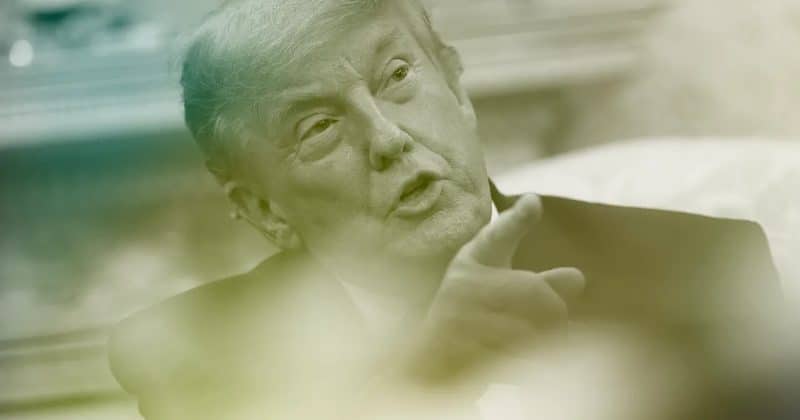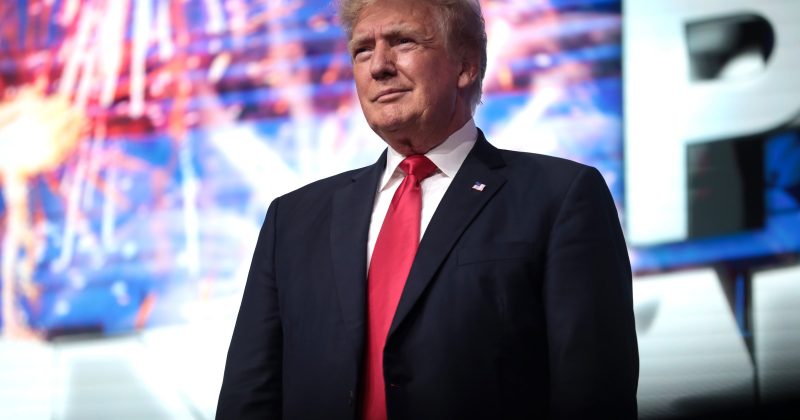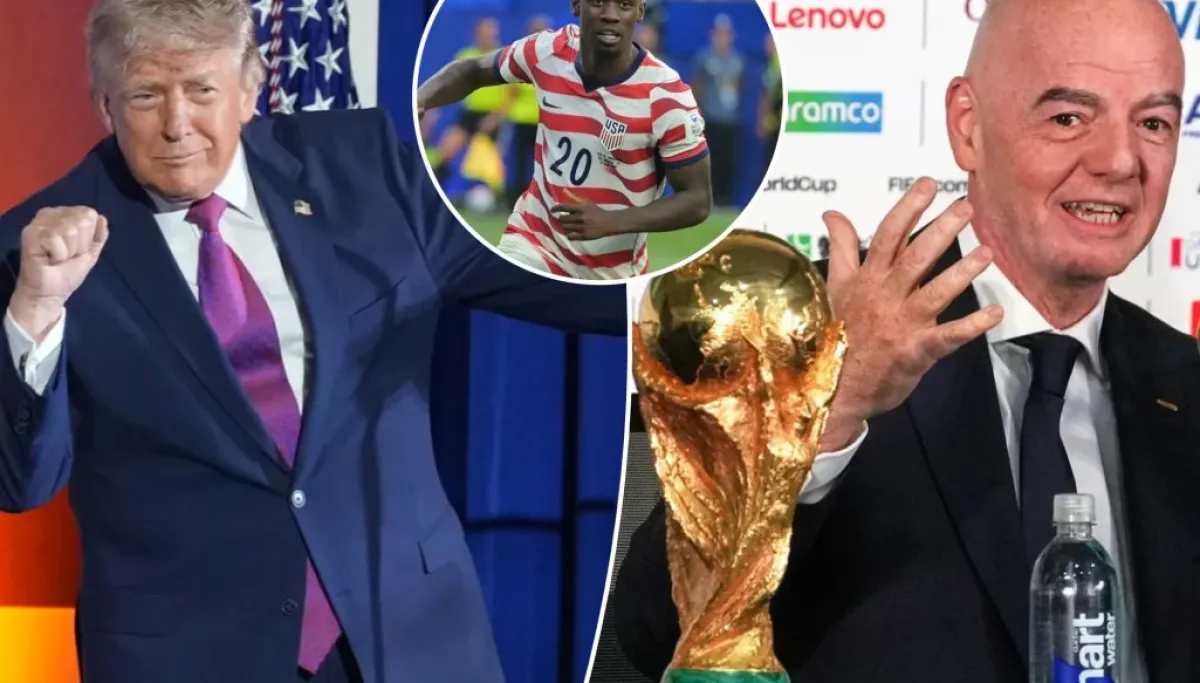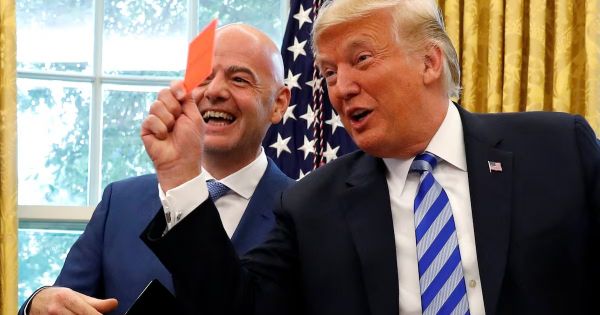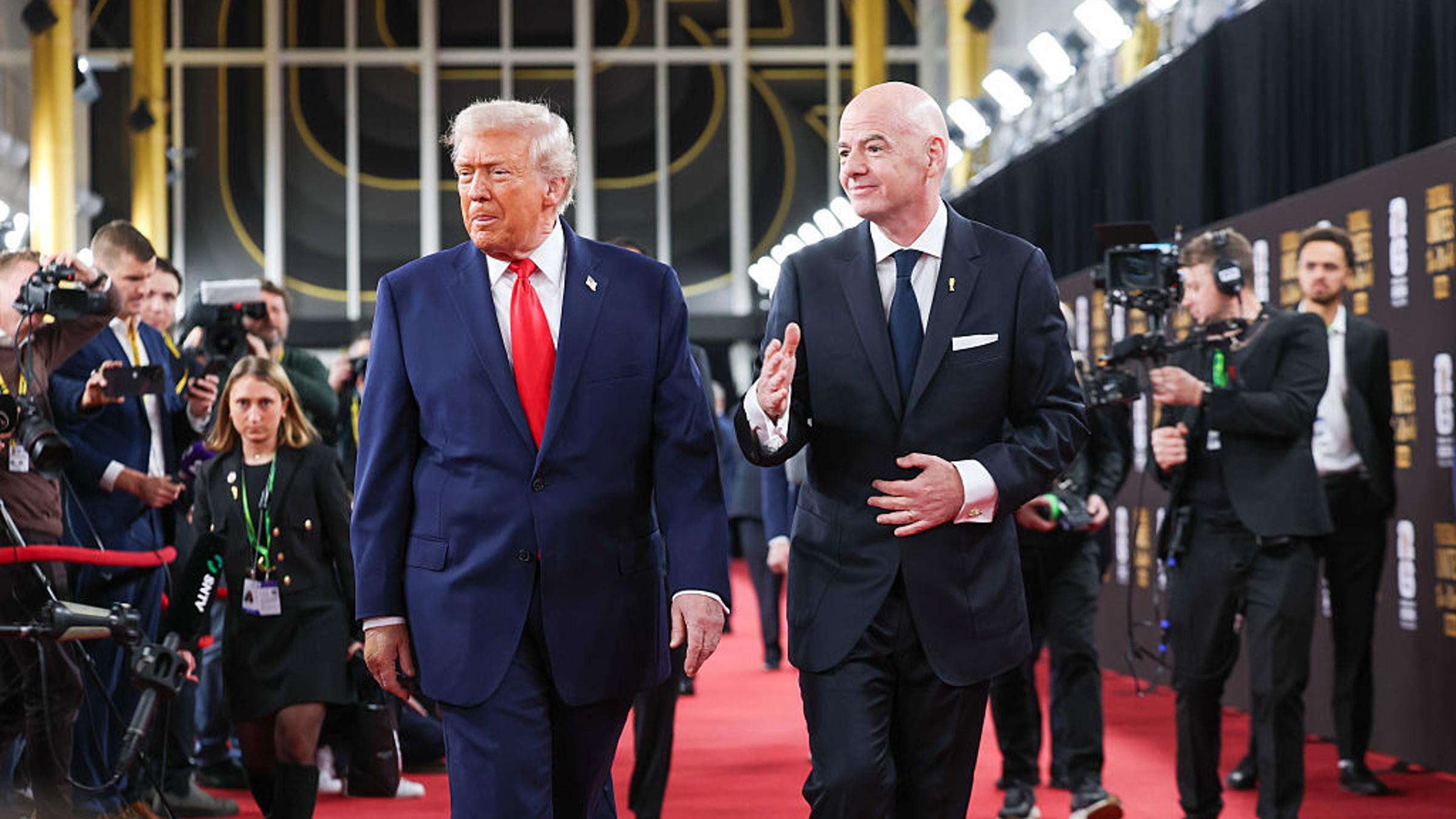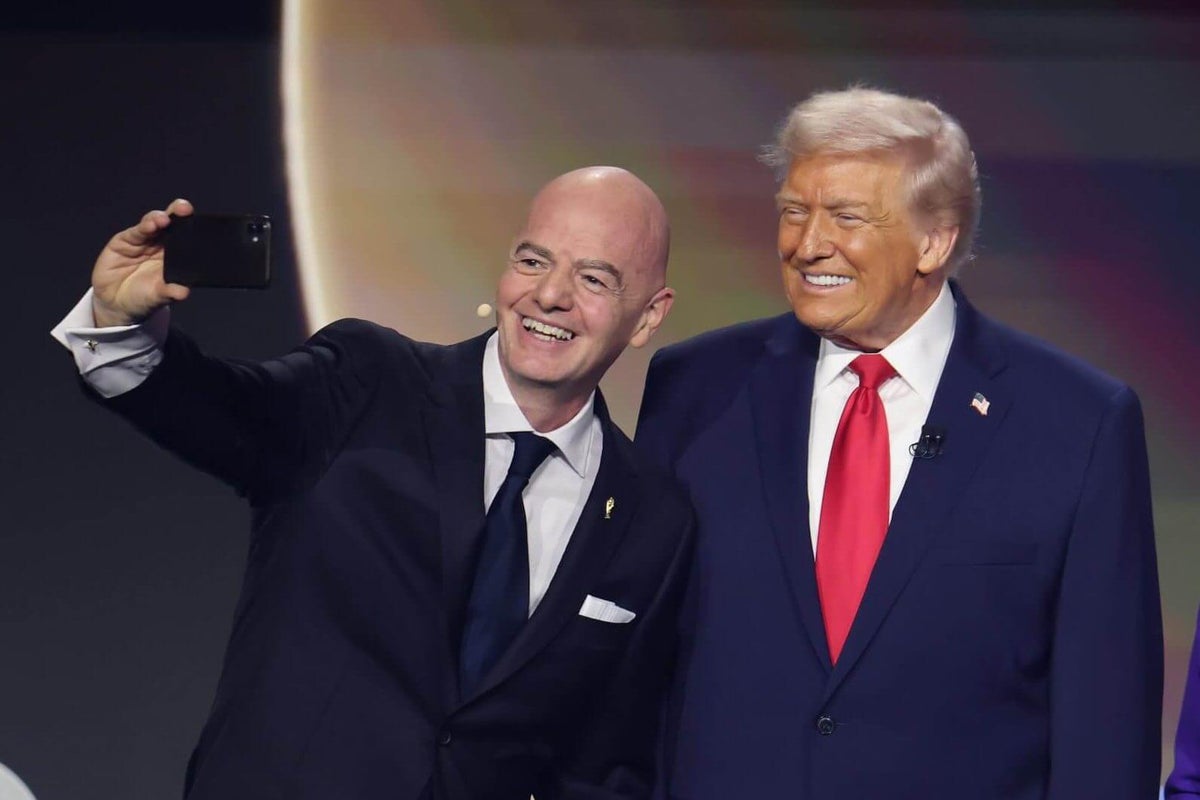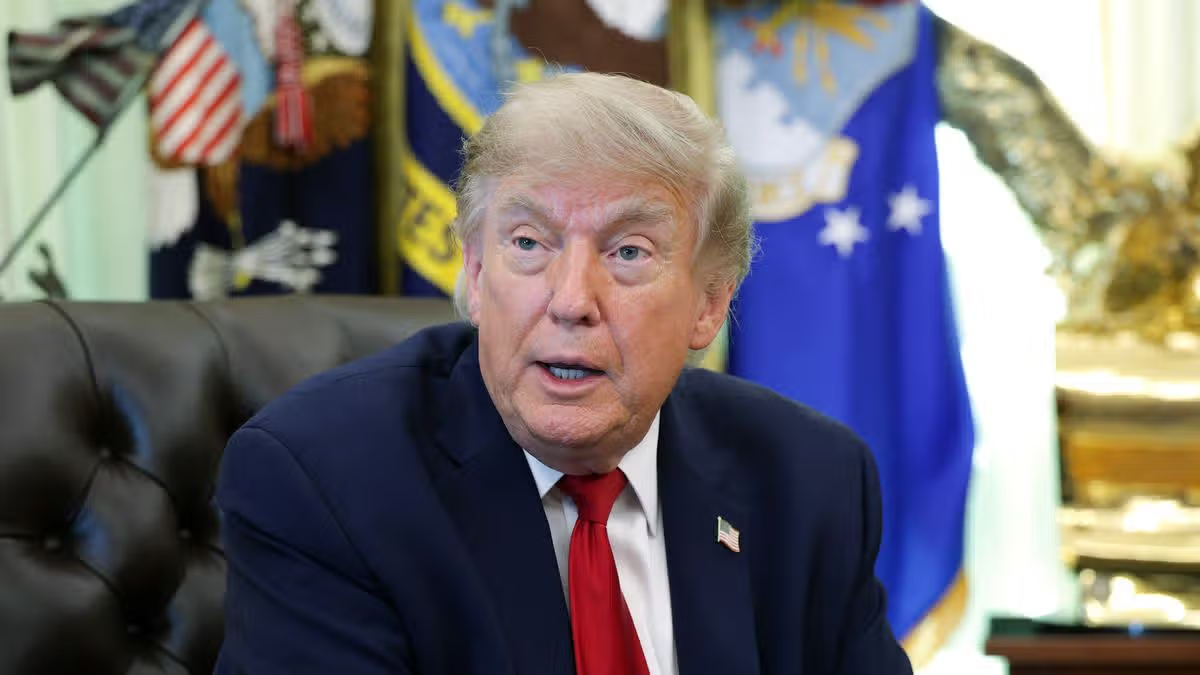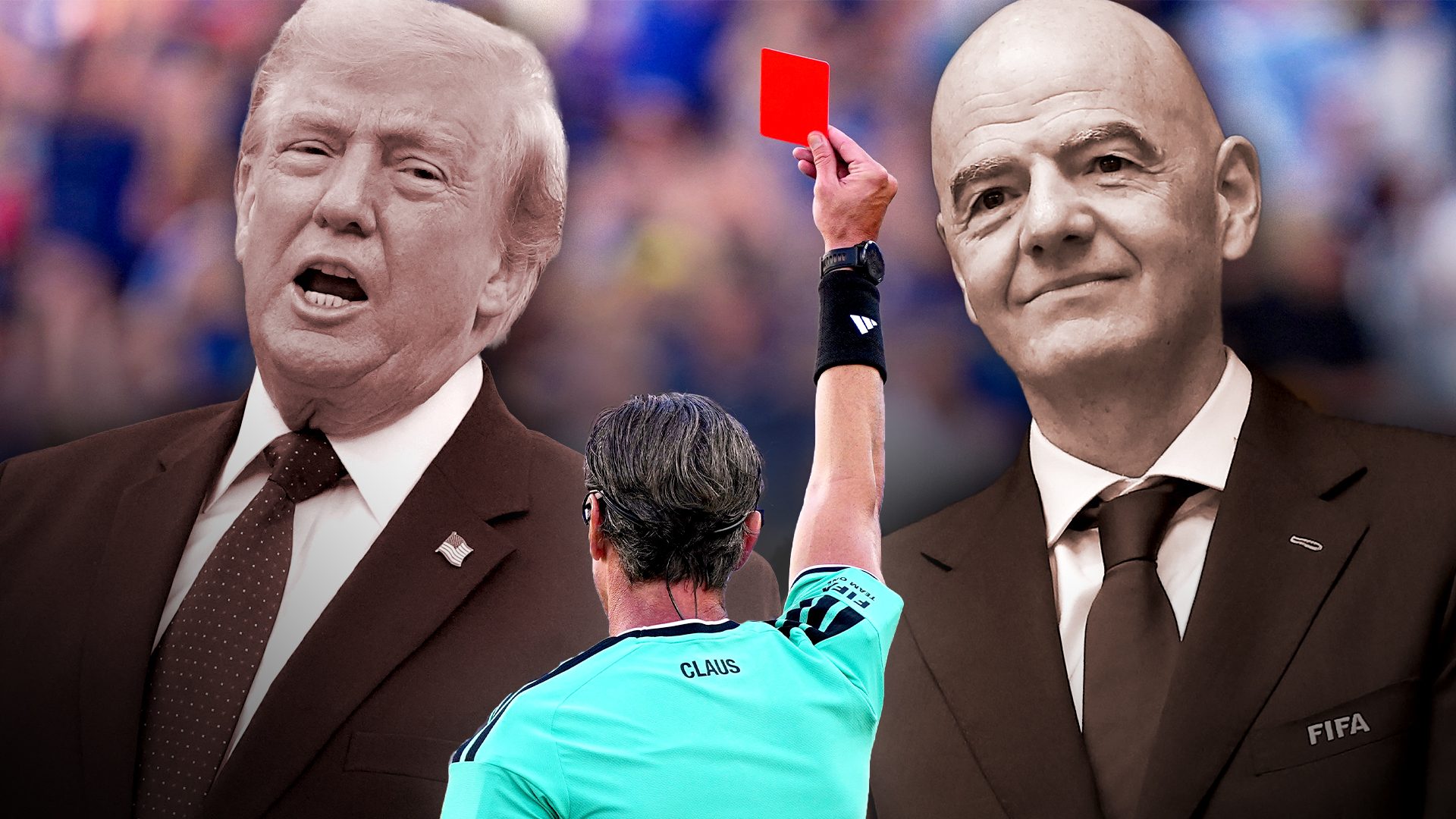
When the President of the United States picks up the phone to call the President of FIFA about a red card, you know we’ve entered uncharted territory in sports governance. That’s exactly what happened during the 2026 World Cup, and the outcome has rattled the foundations of how international football handles its own disciplinary process.
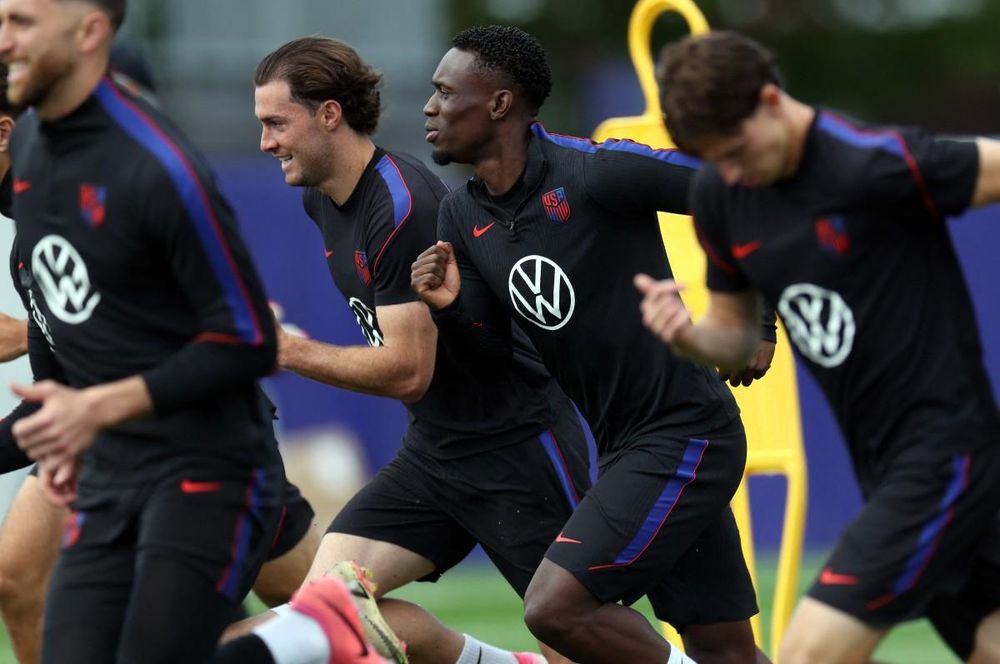
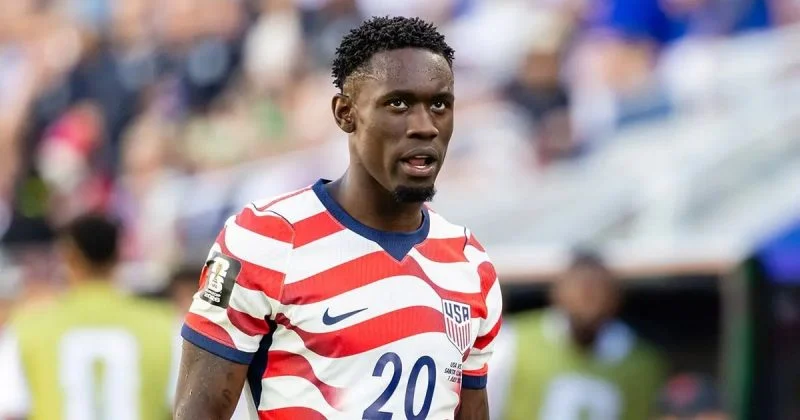
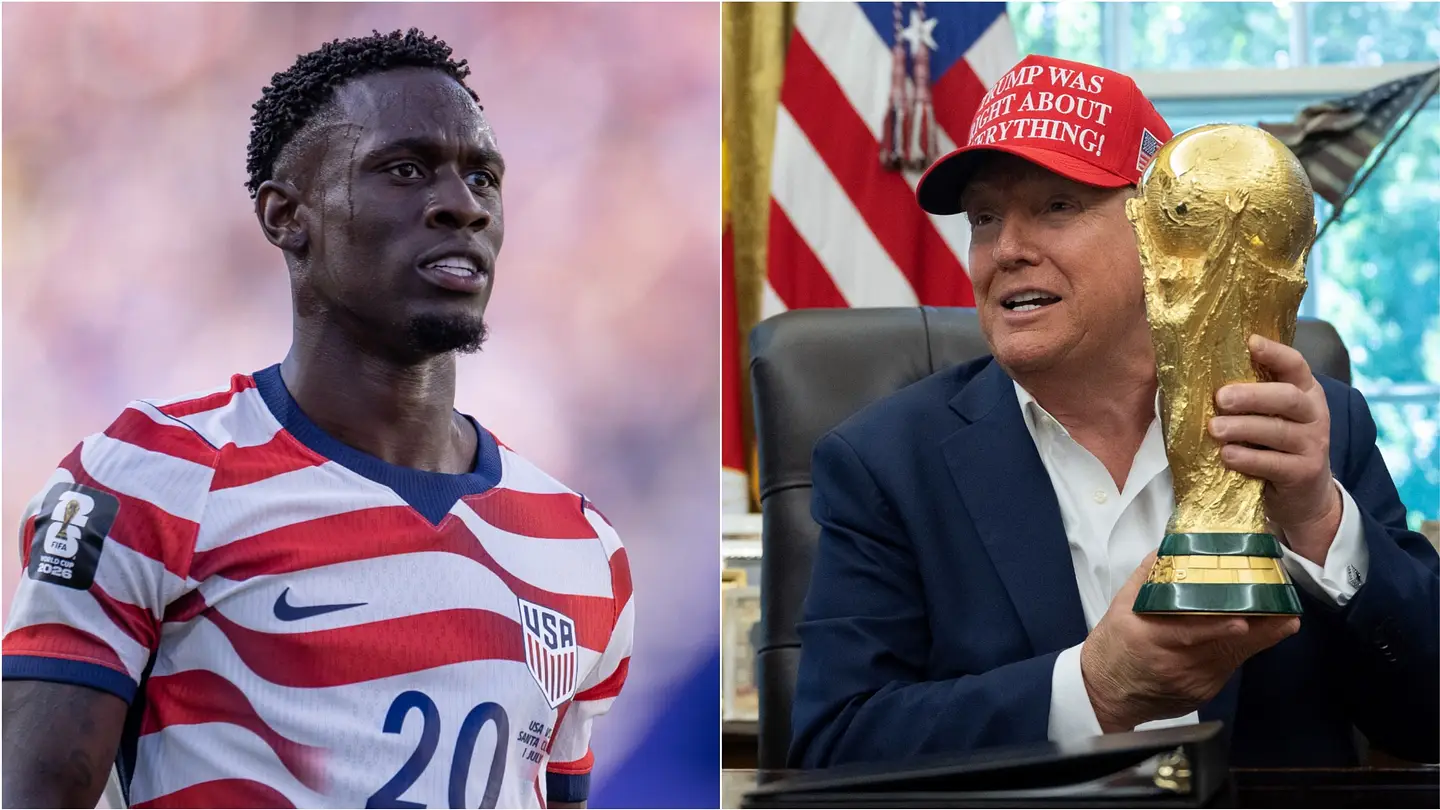
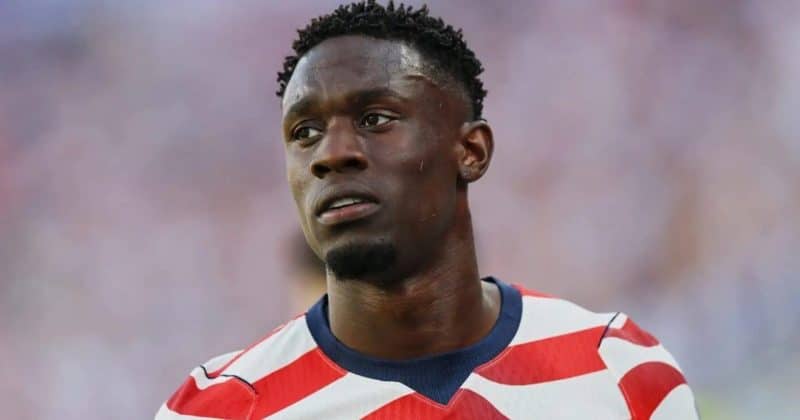
Donald Trump confirmed on July 6, 2026, that he called FIFA President Gianni Infantino around July 1 to challenge the automatic suspension handed to US striker Folarin Balogun following a controversial red card. The result: FIFA’s Disciplinary Committee suspended Balogun’s one-match ban under Article 27 of its Disciplinary Code for one year, clearing him to play in the round-of-16 match against Belgium that same day.
What happened on the pitch
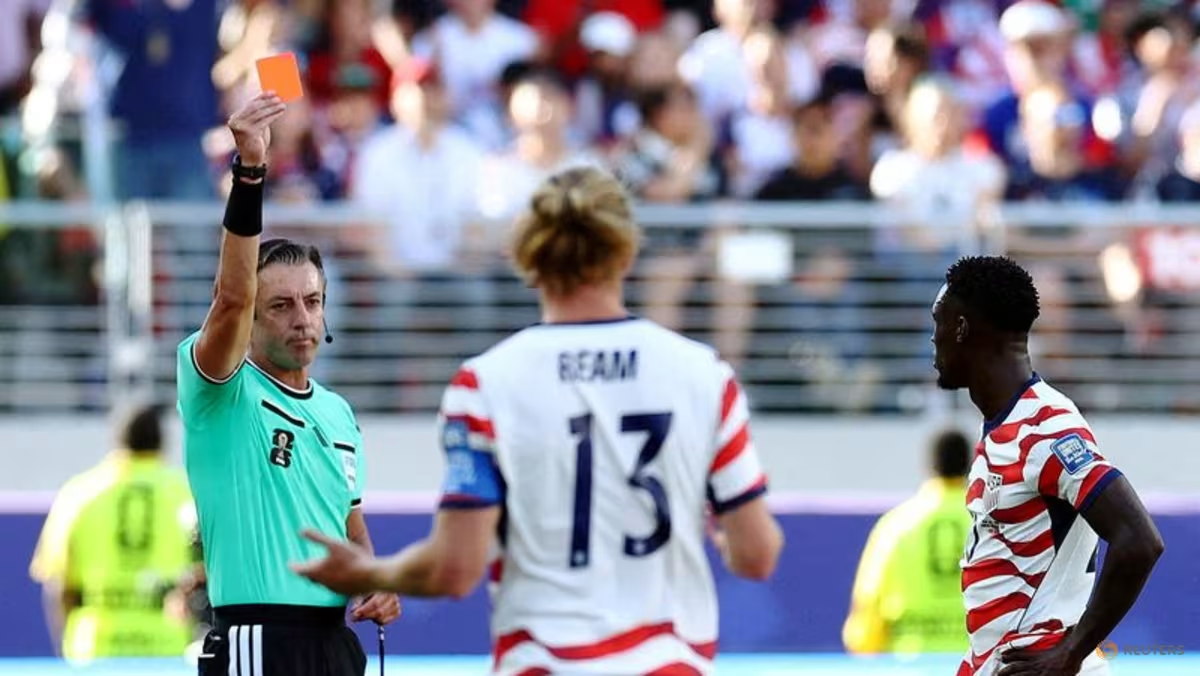
Balogun received a red card during the USA’s 2-0 victory against Bosnia-Herzegovina in the group stage. Under FIFA’s standard rules, a red card triggers an automatic one-match suspension. The red card itself was upheld. FIFA didn’t pretend the incident never happened. Instead, the Disciplinary Committee used a procedural mechanism to suspend the enforcement of the ban for a full year, effectively rendering it meaningless for the tournament.