SINGAPORE: Three months after Singapore launched its nationwide Beverage Container Return Scheme (BCRS), some drinks retailers and wholesalers find themselves caught in a complex logistical web of old and new inventory. As new beverages bearing the deposit marks slowly making their way onto shelves, these businesses said managing dual lines of stock side-by-side has caused operational headaches, and in some cases, led to erroneous charges for unsuspecting consumers.To navigate these transitional pains, firms told CNA they are deploying various inventory strategies, with some relying on manual tracking to ensure they do not accidentally overcharge customers or forget to collect the S$0.10 deposit per container.By the end of the scheme's transition period, they hope that the logistical limbo of managing two separate inventory lines would automatically be resolved, and that their staff would become accustomed to the new processes involved, said several beverage retailers and wholesalers.
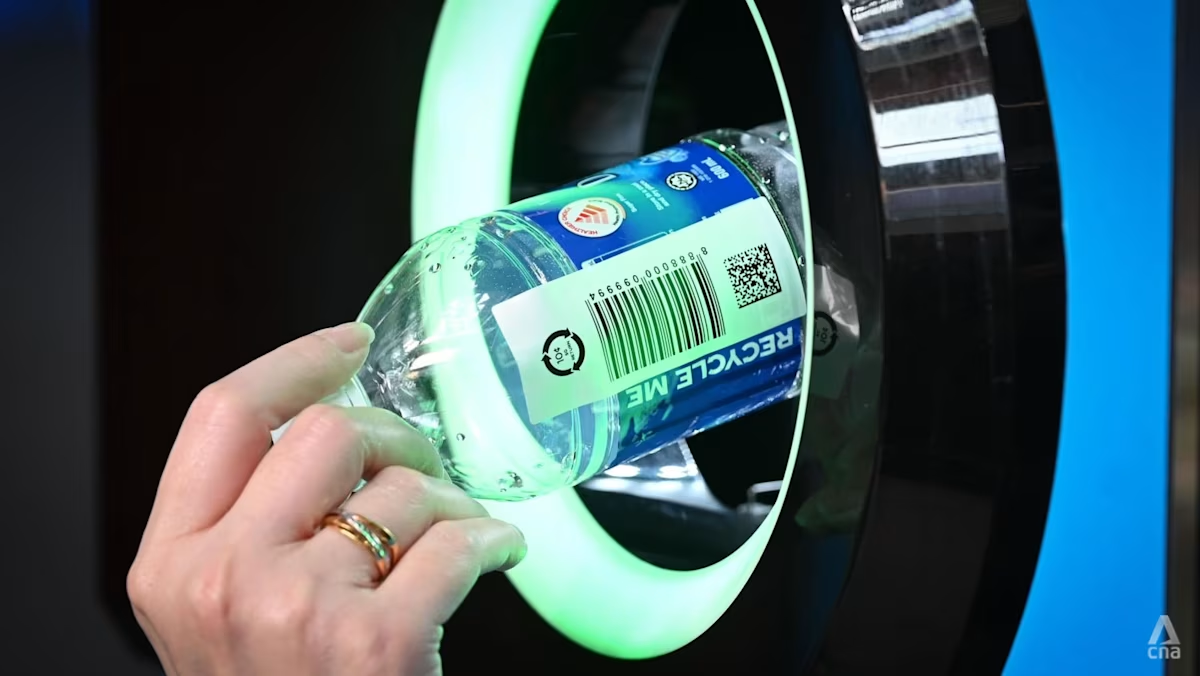
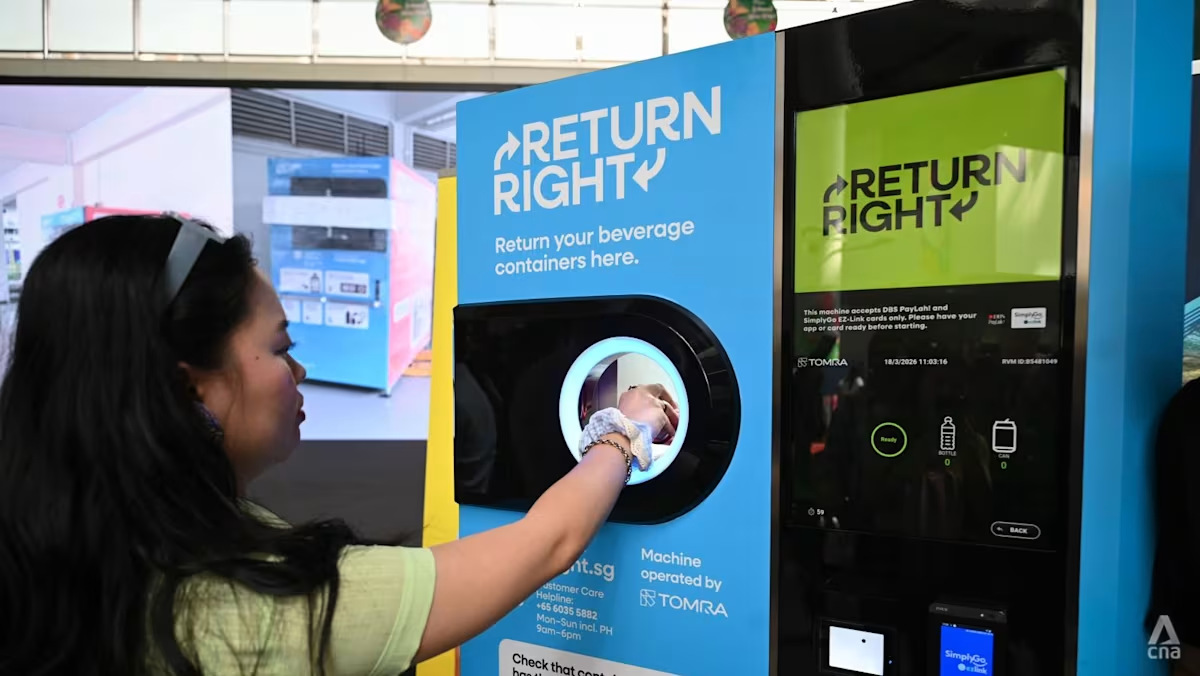
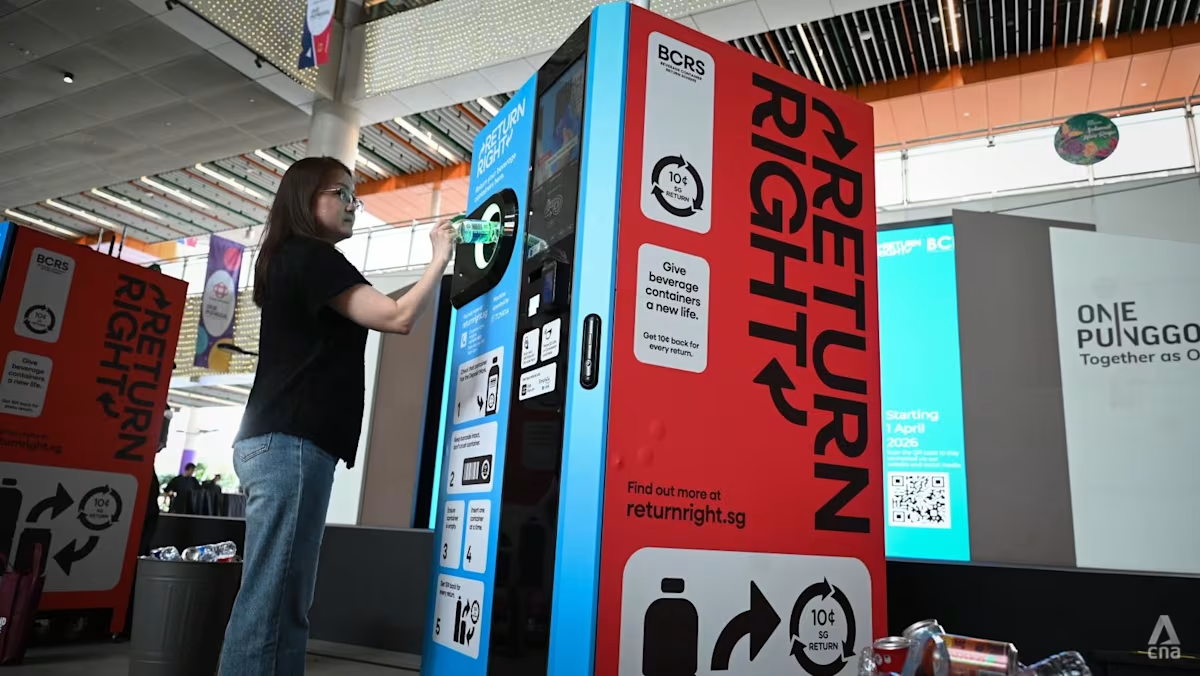
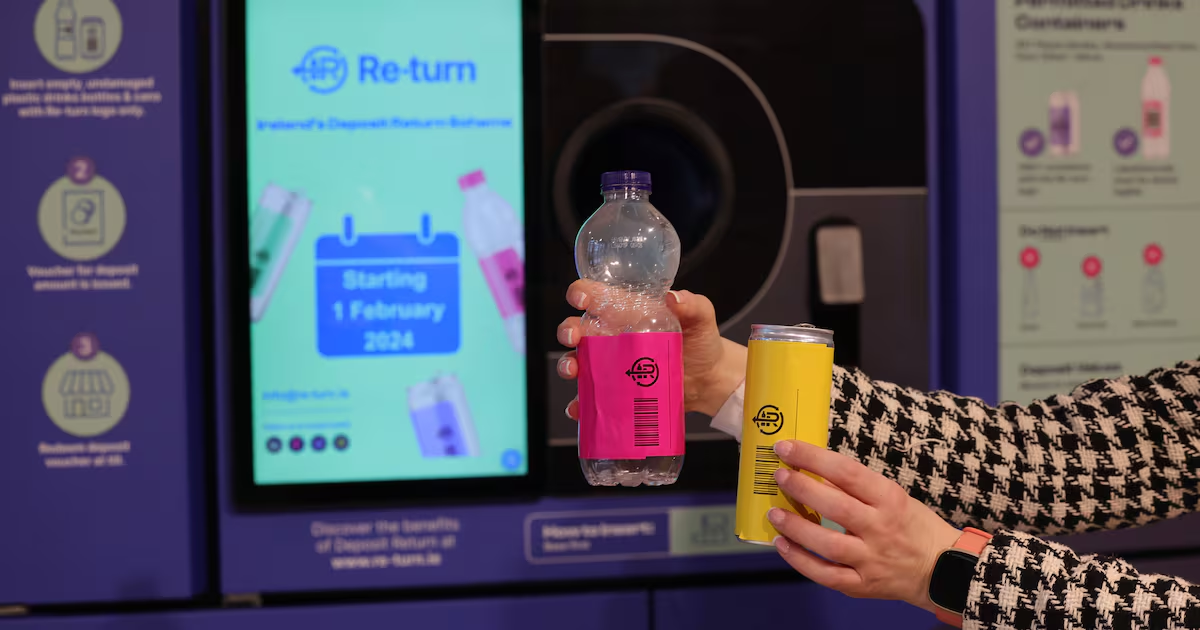
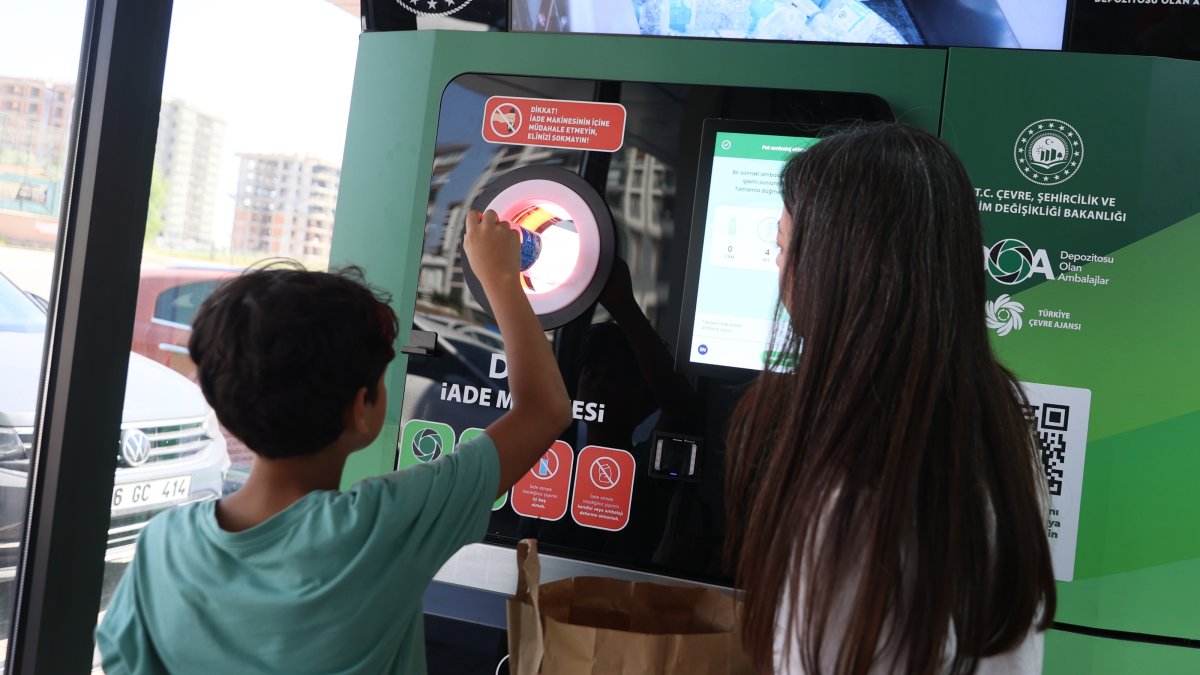
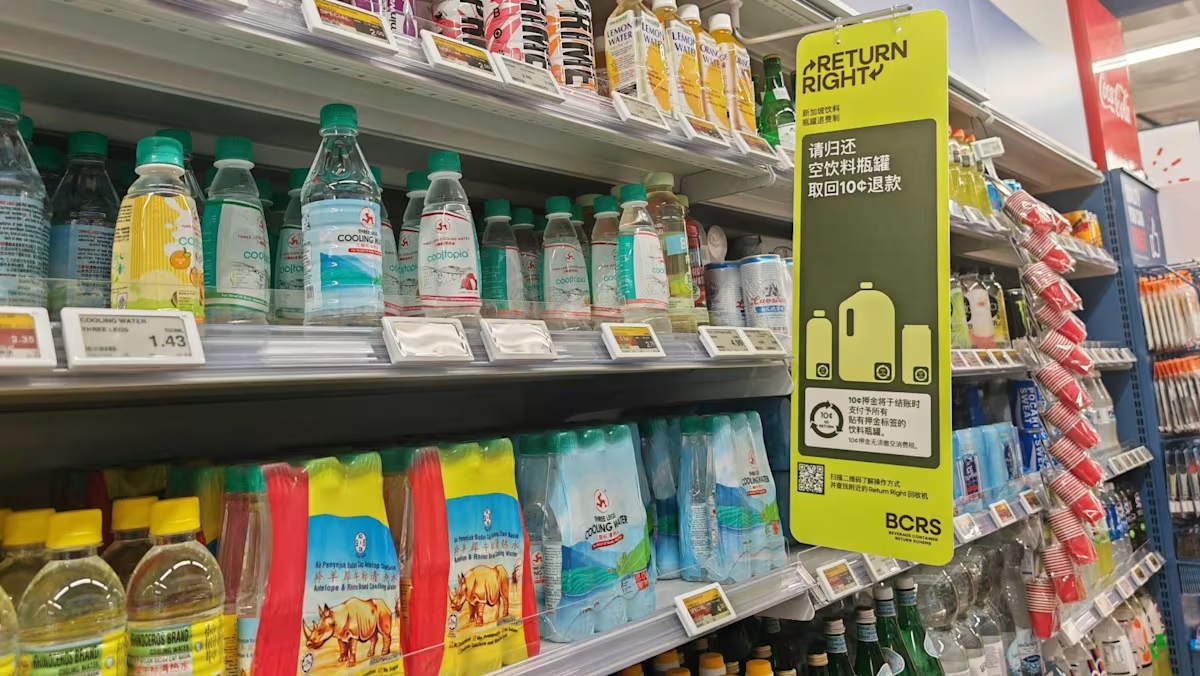
The scheme is now at the halfway point of its six-month transition period. From Oct 1, all regulated beverage containers sold in Singapore must carry the deposit mark.Launched on Apr 1, the BCRS is part of Singapore's efforts to increase recycling rates. It requires consumers to pay a refundable S$0.10 (US$0.07) deposit on eligible beverages sold in plastic bottles or metal cans between 150ml and 3,000ml, which can be reclaimed by returning empty containers bearing the deposit mark at Return Right reverse vending machines.Checks at supermarkets, minimarts and drink stalls found that beverages carrying the deposit mark have begun appearing on shelves, although they remain uncommon.The National Environment Agency (NEA) and BCRS Ltd, which operates the scheme, said in a joint response that issues were still being identified and addressed during this transition period."Some businesses that are unfamiliar with BCRS requirements may have made mistakes resulting in erroneous charges."When made aware of such incidents, NEA has engaged businesses to explain the scheme requirements, ensure that deposits are charged correctly, and that charges are communicated transparently to their customers," NEA and BCRS Ltd stated. "So far, businesses that have been engaged have promptly corrected the erroneous charges," it said, adding that it expects to see less confusion over deposit charges as the scheme matures.