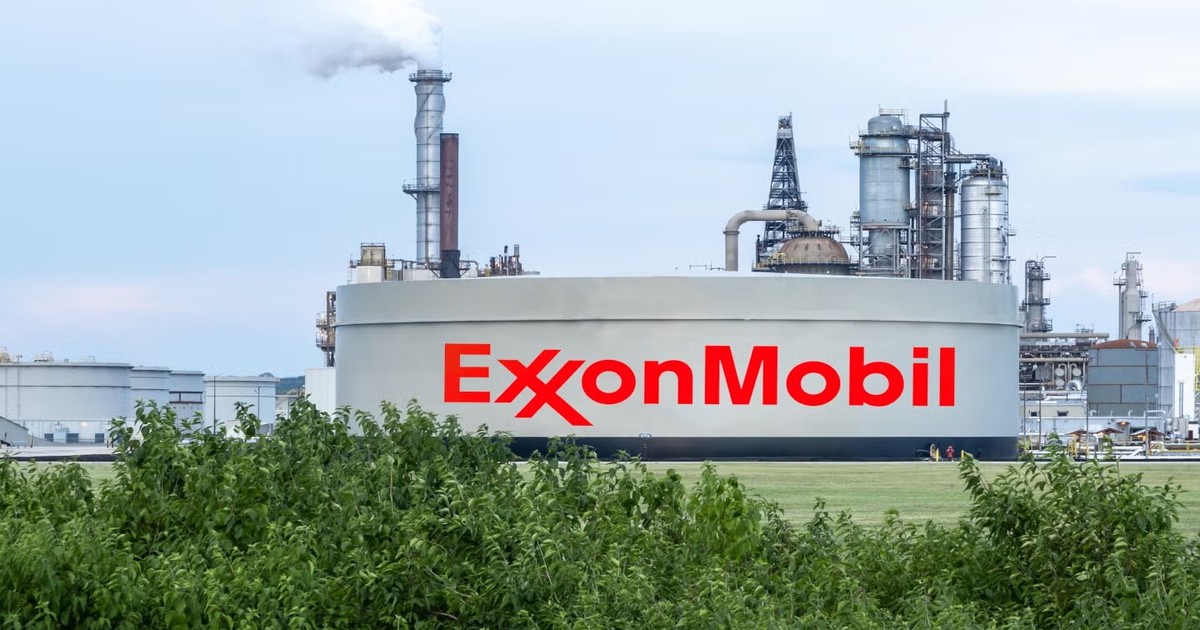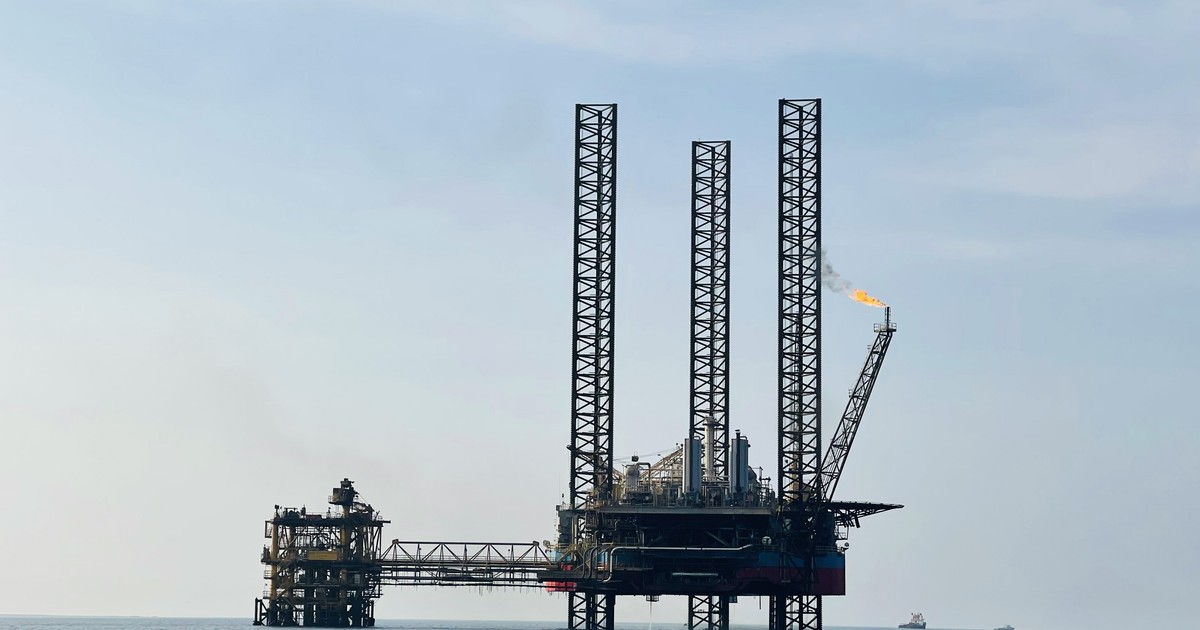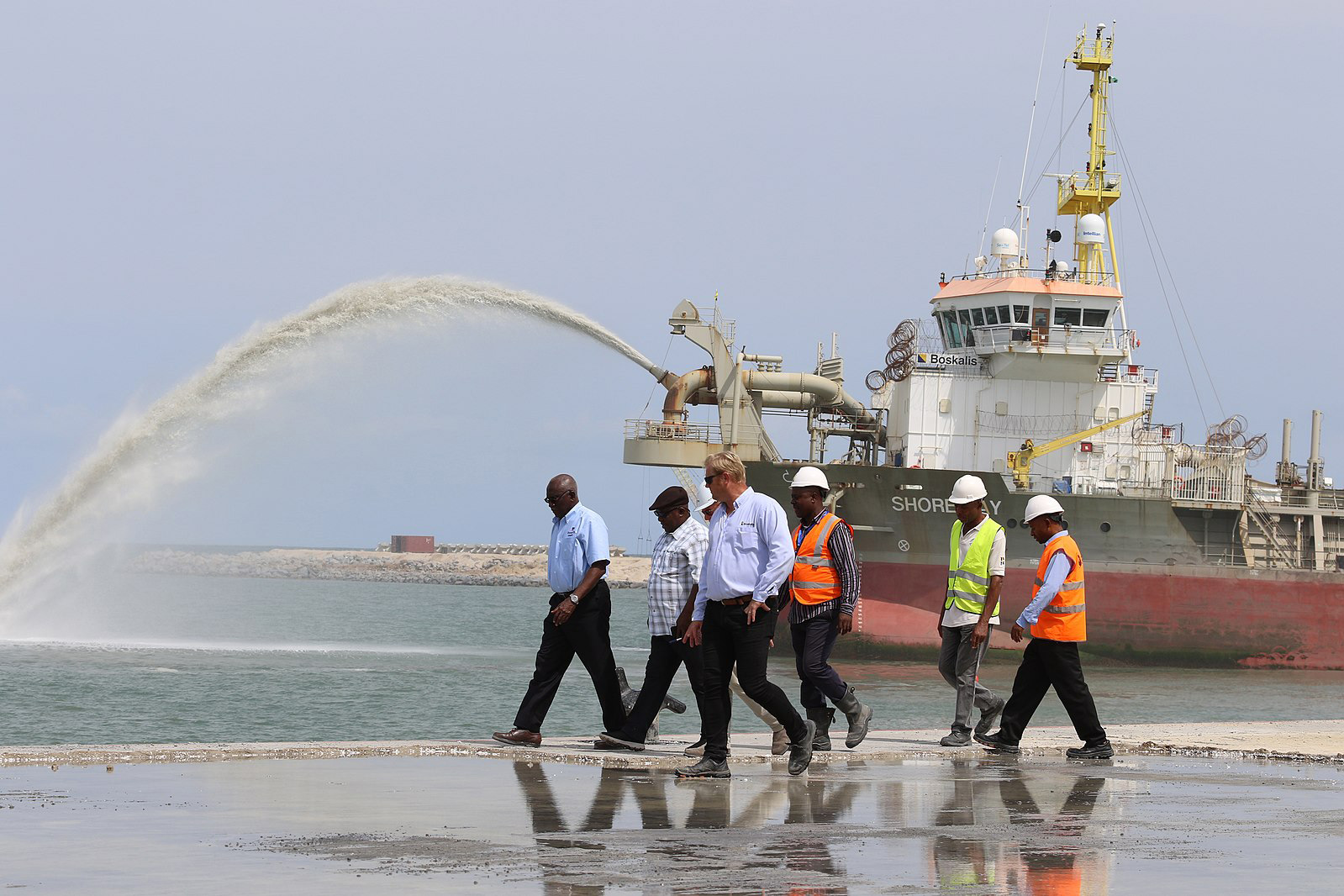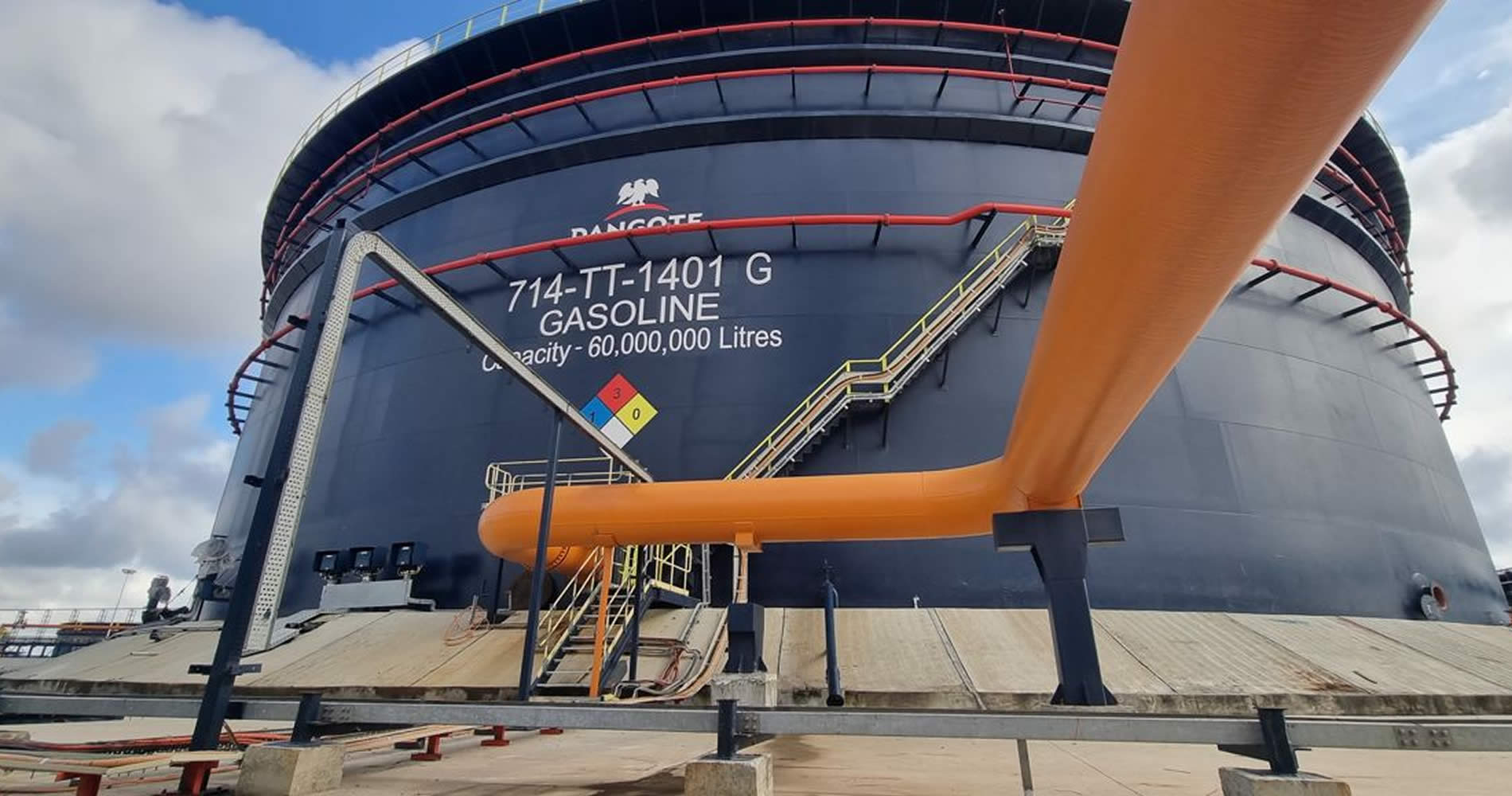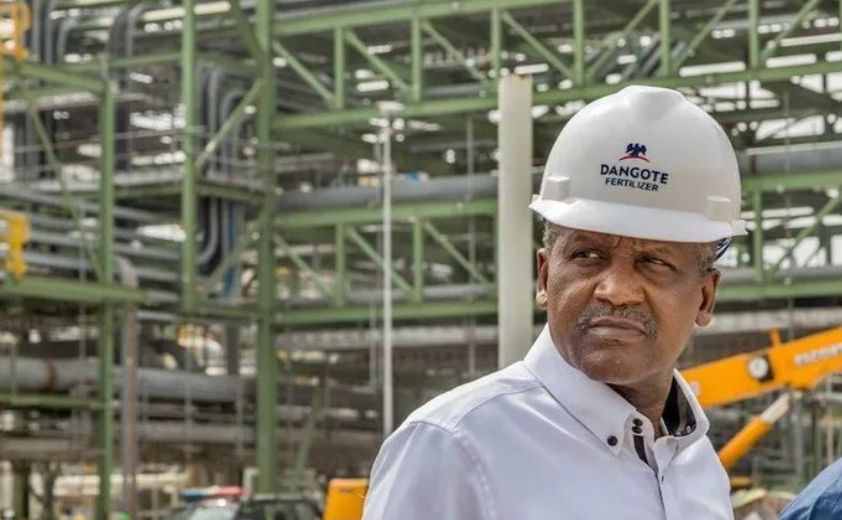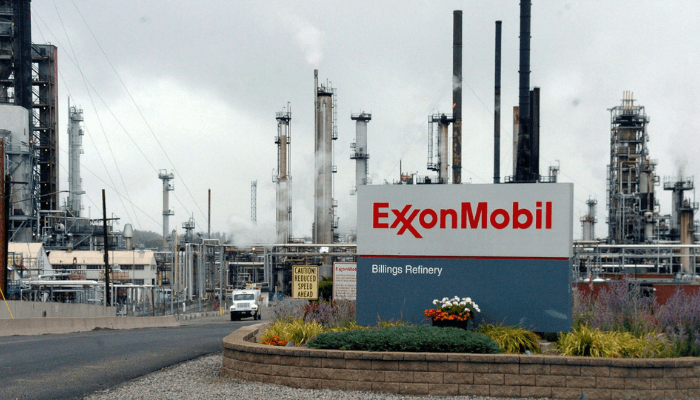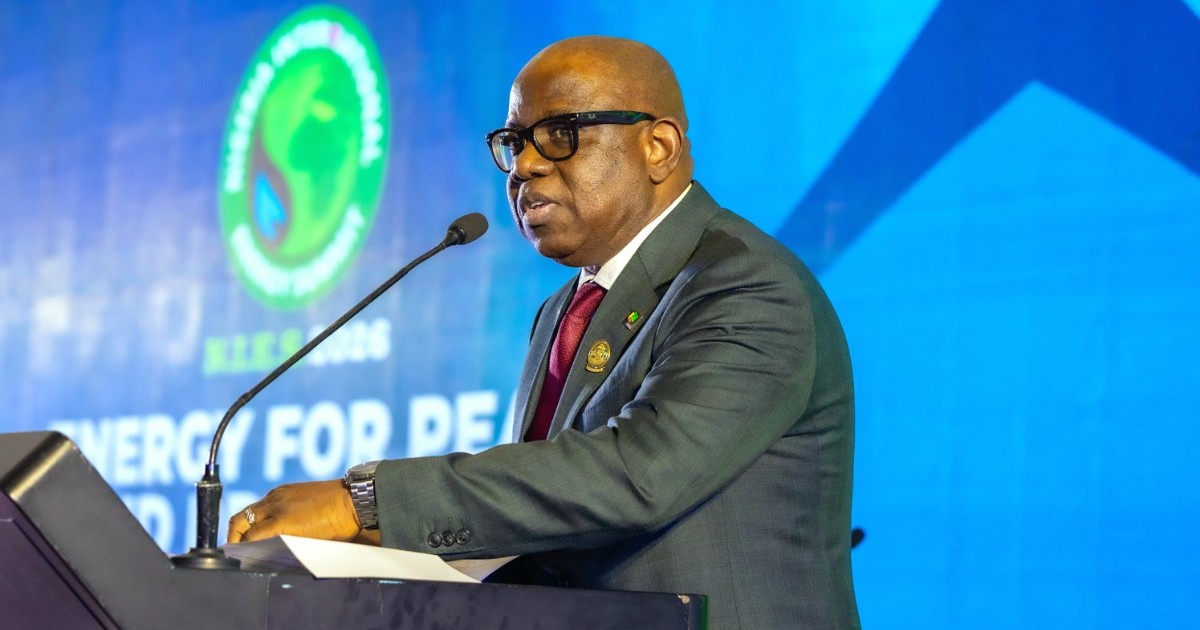
Nigeria is trying to rebuild its energy industry from the ground up, not only trying to recover lost crude production, but working to turn itself into Africa’s dominant refining, gas, capital markets and energy export hub.The clearest test is the Dangote Refinery. The 650,000-barrel-per-day plant has already changed Nigeria’s fuel market and is now preparing for what could become the largest IPO in African history. Dangote Refinery is seeking to raise around $4 billion at a valuation of roughly $40 billion, a listing that would place one of Africa’s most important industrial assets directly inside Nigeria’s capital market.The IPO would test whether Nigeria’s stock exchange will be able to support a transaction of global scale, and whether local and international investors are ready to value Nigeria as more than a crude-export story. Dangote has already turned Africa’s largest oil producer into a major refiner. For years, Nigeria exported crude and imported gasoline, diesel and jet fuel. That model weakened the naira, drained foreign exchange and left the country exposed to fuel shortages, and Dangote has started to reverse the damage. The refinery is now supplying Nigeria’s domestic market and exporting fuel into West Africa and beyond. It has also become a major player in aviation fuel, giving Nigeria a role in refined product markets that used to be dominated by overseas refiners and trading hubs.But Dangote’s rise has exposed Nigeria’s biggest weakness. The refinery needs reliable crude supply, but Nigeria still struggles to deliver enough of its own crude to feed its flagship plant. Dangote has had to import crude from other producers, including the UAE and Libya, because domestic supply has not always been sufficient or reliable.That may be starting to change. Shell has doubled down on Nigeria’s deepwater sector, taking a final investment decision on Bonga North and pursuing Bonga South West. Bonga North is expected to deliver peak production of 110,000 barrels per day, with first oil by the end of the decade. Bonga South West has been stalled for years, but Abuja is now using targeted incentives to push the project toward a final investment decision.ExxonMobil is also moving back into growth mode. The company has advanced plans for Usan, Owowo and Bosi, with potential investments running into the tens of billions of dollars if the larger projects move ahead.For much of the past decade, the dominant story was international oil companies selling onshore and shallow-water assets, reducing exposure to theft, sabotage and regulatory uncertainty. Now the focus is moving offshore, where security risks are lower, project sizes are larger and new fiscal terms can make development more attractive.Gas is the second play. Nigeria is presenting itself as a major gas province with long-term export ambitions. The government is pushing foreign investors to look at gas not only as a domestic fuel, but as the backbone of industrial growth, regional power supply and future LNG exports.The Ajaokuta-Kaduna-Kano pipeline and the Obiafu-Obrikom-Oben pipeline are key to that strategy. Abuja wants more gas moving into northern Nigeria, deeper supply across the domestic market and eventual links into the West African sub-region and North Africa. Nigeria wants to supply African markets first, then position itself as a more important gas supplier to Europe.Shell has enlisted nine Nigerian banks to back a new $3 billion financing facility for indigenous oil and gas contractors, addressing one of the industry’s biggest obstacles: access to capital. At the same time, the Nigerian Content Development and Monitoring Board has launched a program to train more than 10,000 workers for the next wave of upstream projects. Local participation has already climbed from less than 5% before the 2010 Local Content Act to more than 61%, with the increase linked to more than $20 billion in domestic investment.Risk abounds, but there’s light at the end of this tunnel. Oil theft, pipeline vandalism, slow approvals, foreign exchange stress and political interference have all hindered earlier reform drives. The Dangote IPO also faces regulatory scrutiny after Nigeria’s Securities and Exchange Commission warned that no official IPO application had yet been approved.Nigeria’s energy strategy is expanding well beyond crude production. The government wants more upstream investment, more domestic refining, larger gas exports and stronger local industrial capacity. It also wants deeper access to international capital and energy markets.Nigeria is expected to launch a new upstream licensing round in the third quarter, adding to the strongest wave of investment activity the sector has seen in years. Shell is advancing Bonga North and Bonga South West, ExxonMobil is moving ahead with Usan and maturing larger deepwater developments, and indigenous companies are being pulled into the expansion. Shell has partnered with nine Nigerian banks on a $3 billion financing facility for local contractors, while the Nigerian Content Development and Monitoring Board is training more than 10,000 workers for upcoming projects. Local participation has increased from less than 5% before the 2010 Local Content Act to more than 61%, with more than $20 billion invested in building domestic capacity.This week, Nigeria’s decision to become the first OPEC member to join the International Energy Agency (IEA) as an associate member was another boost for investor confidence. The membership gives Abuja direct access to the IEA’s market analysis, technical expertise and policy work while it pursues reforms across the oil, gas and power sectors.By Alex Kimani for Oilprice.comMore Top Reads From Oilprice.comOPEC Oil Production Jumps, But Gulf Supply Is Still Far From NormalMore European Investors Oppose Norway’s Push for Arctic Oil DrillingFear of an Oil Glut May Be Overblown, Top Consultancy Says
Shell And ExxonMobil Are Betting Billions On Nigeria's Deepwater Comeback | OilPrice.com
Nigeria joins the IEA as the first OPEC member, while Dangote's refinery eyes a $4 billion IPO and Shell, ExxonMobil deepen their Nigeria bets.
917 words~4 min read